

GMC Yukon 2004-2012 Suspension Ride Height Sensor Guide
Keep your Yukon's Autoride system working correctly by understanding how to diagnose and replace a faulty ride height sensor.
- A "Service Suspension System" message combined with a sagging corner are the top signs of a bad ride height sensor.
- This part is only used on Yukons with the Autoride (Z55) or automatic air leveling suspension.
- Aftermarket brands like Standard Ignition and Dorman are common, reliable alternatives to more expensive OEM parts.
- After replacement, a scan tool may be needed to recalibrate the system for it to work correctly.
Is Your Yukon's Suspension Acting Up? It Could Be a Ride Height Sensor.
If you own a 2004-2012 GMC Yukon with the Autoride air suspension, you know it provides a smooth, level ride. But when the "Service Suspension System" or "Service Ride Control" message appears on your dash, it can be frustrating. Often, the problem points to a failed suspension ride height sensor. These sensors live in a harsh environment under your vehicle, exposed to water, road debris, and extreme temperatures that can damage their electronics or the plastic linkage arm. When one fails, it sends bad information to the suspension computer, leading to a host of problems.
Symptoms of a Bad Ride Height Sensor
- "Service Suspension System" Message: This is the most common warning light on your driver information center (DIC) when a sensor fails.
- Uneven Ride Height: The most obvious sign is a Yukon that's sagging in one corner or leaning to one side. This happens because the system gets incorrect height data and can't level the vehicle properly.
- Air Compressor Issues: A bad sensor might cause the air compressor to run constantly, trying to fix a height problem that isn't there, which can burn out the compressor motor. Conversely, the system might disable the compressor entirely as a safety measure.
- Poor Ride Quality: Your Yukon might feel unusually bouncy or stiff because the automatic leveling isn't working. This can also lead to poor handling, nose-diving when braking, and increased stopping distances.
Don't Mistake Other Failures for a Bad Sensor
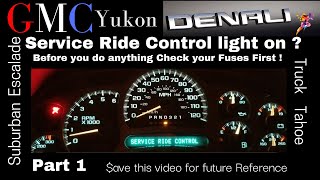
Before replacing a sensor, it's wise to check for other common issues. A leaking air shock or a faulty air compressor can cause similar sagging symptoms. A diagnostic scan tool that can read chassis codes can help pinpoint if the issue is a sensor circuit fault or another part of the system. 🎬 Watch: How to diagnose the Service Suspension System message Sometimes, a simple issue like a pinched air line can also trigger a system warning.
Choosing the Right Aftermarket Sensor
When it's time to replace a sensor, you don't have to go back to the dealer. Several aftermarket brands offer direct-fit replacements. Here’s a look at your options:
- Premium Aftermarket (e.g., Standard Ignition): Brands like Standard Ignition (SMP) are well-regarded and produce parts that meet or exceed OEM specifications. They are known for quality and reliability, making them a solid choice for a critical part like this.
- Value Aftermarket (e.g., Dorman): Dorman is a popular brand that often engineers solutions to common OEM problems. Their ride height sensors are a cost-effective alternative and are widely available. While many users have success with Dorman parts, quality can sometimes vary by the specific part, so it's a trade-off between cost and potential longevity.
- Basic Aftermarket (e.g., Replacement, Skyward): These brands offer the most budget-friendly options. They are designed to function like the original part and can be a good choice if the price is your main concern. However, long-term durability may not match that of more established brands.
Pro Tip: Calibration May Be Required
After installing a new sensor, the suspension system may need to be recalibrated. This process, sometimes called a "Trim Height Learn," requires a professional scan tool to tell the computer the new sensor's baseline position. Without this step, the system may not function correctly even with a new part.
🎬 Watch: How to perform a ride height sensor relearn| Part Type | Price Range (Part Only) |
|---|---|
| New OEM (ACDelco) | $150 - $300 |
| New Aftermarket | $64.71 - $223.92 |
| Shop Labor | $100 - $200 |
Frequently Asked Questions
Can I replace just one ride height sensor?
Yes, you only need to replace the sensor that has failed. They do not need to be replaced in pairs or all at once. A shop can use a scan tool to identify which specific sensor is sending a bad signal.
Is it difficult to replace a ride height sensor?
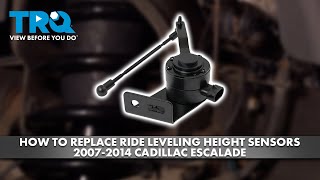
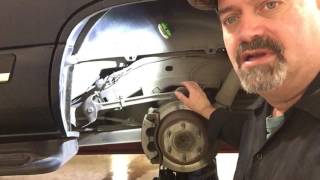
No, the replacement is relatively easy for someone with basic mechanical skills. The sensor is typically mounted to the frame with one or two bolts, and the linkage arm connects to the control arm. The main challenge can be corrosion on the fasteners. The entire job usually takes less than an hour.
🎬 See this walkthrough on how to replace the front sensorsAre there any recalls for the suspension on the 2004-2012 Yukon?
Searches of the National Highway Traffic Safety Administration (NHTSA) database did not show any specific recalls for suspension ride height sensors on the 2004-2012 GMC Yukon. There have been recalls for other suspension-related issues on different model years, but not for this specific component failure.
What happens if I ignore a bad ride height sensor?
Driving with a bad sensor is not recommended for long distances. It can lead to an unstable ride, poor handling, and increased braking distances. It also puts extra stress on other suspension components like the air shocks and compressor, potentially leading to more expensive repairs down the road.
Helpful Videos
Technical Specifications
OEM Part Numbers: 15128630 15128649 924-489
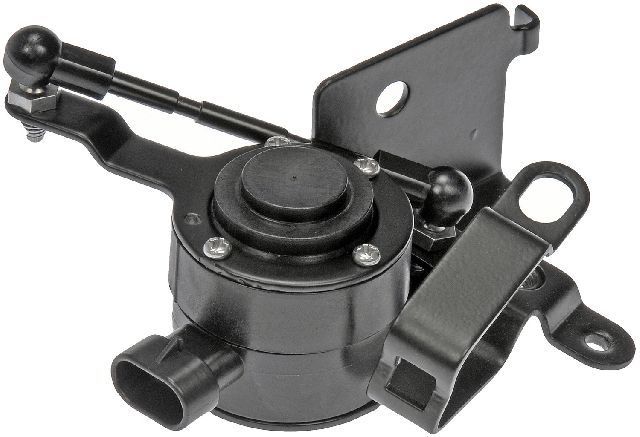
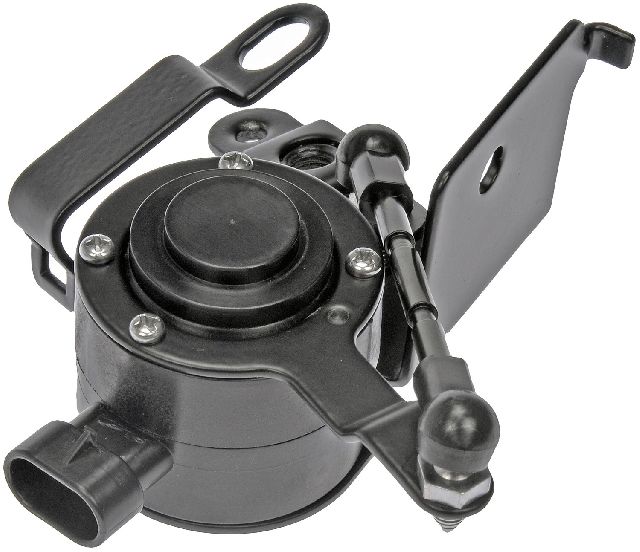
The sensor is an angle sensor with a multi-pin electrical connector and a short, plastic or metal linkage arm that connects to the suspension. It provides a variable voltage signal to the suspension control module based on the arm's rotational position.
We Have This Part in Stock


The information in this article is provided for general reference and educational purposes only. Vehicle specifications, procedures, and part compatibility can vary by production date, trim level, and region. Always consult your vehicle's factory service manual and verify part numbers before purchasing or performing repairs. Safety-critical components such as airbags, seat belts, and braking systems should be installed by a qualified professional.
- GMC Yukon:
- 🎬 Helpful Videos
- 🛍️ Shop This Part
- Is Your Yukon's Suspension Acting Up? It Could Be a Ride Height Sensor.
- Symptoms of a Bad Ride Height Sensor
- Don't Mistake Other Failures for a Bad Sensor
- Choosing the Right Aftermarket Sensor
- Pro Tip: Calibration May Be Required
- Frequently Asked Questions
- 🎟️ Get 5% Off