

Honda Accord Power Steering Pump: A Guide for 2004-2012 Models
Addressing the common whining noises and steering issues in your 7th or 8th generation Honda Accord.
- Before replacing the pump for a whining noise, always replace the inexpensive inlet hose O-ring (Part #91345-RDA-A01) first.
- Always use genuine Honda Power Steering Fluid. Using other fluids can cause noise and damage the system's seals.
- For V6 models from 2004-2007, check if the power steering hose recall has been performed to prevent a fire risk.
- After installation, you must bleed all air from the system by turning the steering wheel lock-to-lock multiple times to prevent pump damage.
Is Your Accord's Steering Making Noise?

A common issue on the 2004-2012 Honda Accord is a power steering system that groans, whines, or moans, especially on cold mornings. You might also notice the steering feels stiff or you see fluid spots on your driveway. These are classic signs that your power steering system needs attention.
First, Check These Common, Cheaper Fixes
Before you spend hundreds on a new pump, know that many Accord power steering issues are caused by two small, inexpensive parts. Many owners replace the entire pump when it's not necessary.
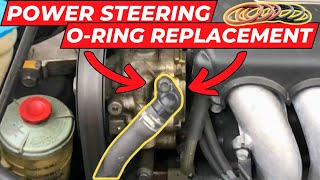
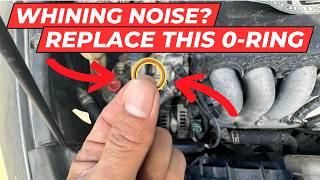
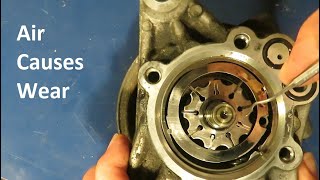
- The Inlet O-Ring: A whining noise that is louder when cold and lessens as the engine warms up is a textbook symptom of a bad O-ring on the pump's inlet hose. This tiny seal (Honda Part No. 91345-RDA-A01 🎬 Watch: How to replace the O-ring and stop the whining noise.) hardens over time, allowing air to be sucked into the system, which causes the fluid to foam and the pump to whine. This is a very cheap part and a simple fix that often solves the problem.
- The Reservoir: The power steering fluid reservoir has a filter screen at the bottom. Over time, this screen can become clogged with debris, starving the pump of fluid and causing similar whining noises. If your fluid is dark and the O-ring replacement doesn't help, replacing the reservoir is the next logical step. 🎬 See this step-by-step guide for replacing the fluid reservoir.
Choosing the Right Aftermarket Power Steering Pump

If you've ruled out the O-ring and reservoir and confirmed the pump itself has failed, you'll find several aftermarket options. Quality can vary significantly, so it's important to understand the tiers.
- Economy Brands (e.g., Cardone, 'Replacement'): These are often remanufactured units and are the most affordable. However, online forums and mechanic reviews show mixed results for these brands. While some units work fine, a higher-than-average failure rate right out of the box or shortly after installation is a common complaint. This can mean doing the job twice.
- Standard Brands (e.g., BBB Industries, AAE): These brands often fall into a similar category as economy options, with quality being a potential concern. They may offer a better warranty or slightly better quality control, but are still considered a budget-friendly choice.
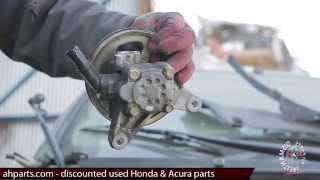
- Premium Aftermarket & Used OEM: For better reliability, consider a new pump from a premium aftermarket line or a low-mileage used OEM pump from a reputable auto recycler. Many Honda specialists prefer a used original part over a new, cheap aftermarket one.
Pro Tip: No matter which pump you buy, always use new O-rings from Honda for the hose connections and only use genuine Honda Power Steering Fluid. Using the wrong fluid can cause seal damage and noise. Also, be sure to bleed all the air from the system after installation to prevent noise and damage to the new pump.
🎬 Watch: Best practices for bleeding air from your Honda's steering system.Known Issues for 2004-2012 Honda Accord

Recall for 2003-2007 Accord V6: Honda issued a major recall because the power steering feed hose could deteriorate, leak fluid onto the hot catalytic converter, and potentially cause a fire. The fix was a new, heat-resistant hose. If you have a V6 model from this era, you should verify this recall was performed on your vehicle.
TSB 07-086: This Technical Service Bulletin directly addresses the whining noise caused by the inlet O-ring. It applies to V6 models up to 2009 and is a well-documented issue across the Accord platform.
| Part Type | Estimated Part Cost |
|---|---|
| New Aftermarket Pump | $119 - $309 |
| Remanufactured Pump | $80 - $200 |
| New OEM Pump | $650 - $940 |
| Shop Labor | $120 - $200 |
| Total (Shop Estimate) | $480 - $1,082 |
Frequently Asked Questions

What are the signs of a bad power steering pump?
The most common signs are a whining or groaning noise that changes with engine RPM and gets louder when you turn the steering wheel, a stiff steering wheel that's hard to turn, and visible power steering fluid leaks from the front of the engine.
Do I have to use Honda power steering fluid?
Yes, it is strongly recommended. Honda's power steering system is designed specifically for its own fluid. Using generic power steering fluid can damage seals and cause pump noise, even with a new pump.
Is it hard to replace a Honda Accord power steering pump?
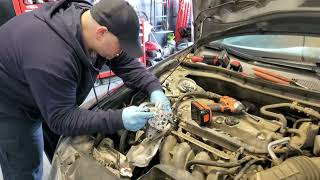
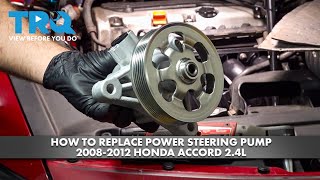
For a DIY mechanic, it is a moderately easy job. The pump is located on top of the engine and is easy to access. The process involves removing the serpentine belt, unbolting the pump and hoses, and then bleeding the system. The estimated time is 2-4 hours.
What is the difference between 7th Gen (2004-2007) and 8th Gen (2008-2012) pumps?
While the function is the same, the pumps are not interchangeable. They have different part numbers and mounting points. It is critical to order the correct pump for your specific year and engine size (4-cylinder or V6).
Helpful Videos
![[Repair Log 03 04 05 accord] $10 power steering whine fix honda civic CRV element acura CL TL](https://img.youtube.com/vi/rAGYNlrexhQ/mqdefault.jpg)
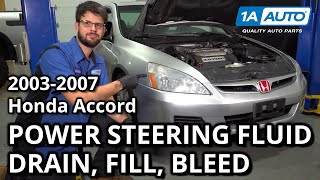
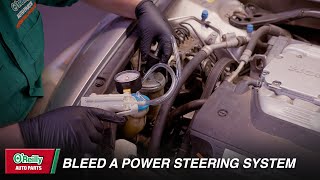
Technical Specifications
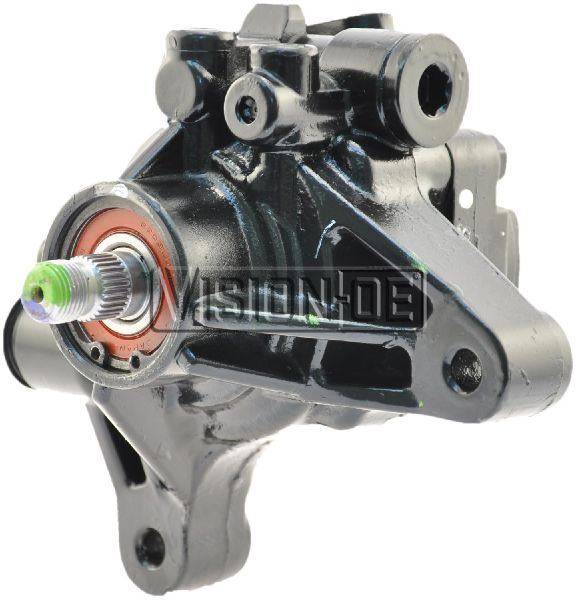
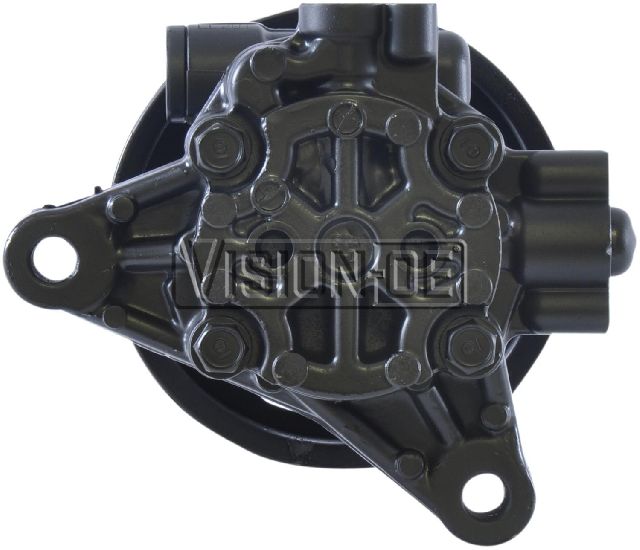
OEM Part Numbers: 56110-RAA-A04 56110-RAA-A03 56110-RAA-A02 56110-RAA-A01 56110-RCA-A01RM 56100-RCA-A03RM
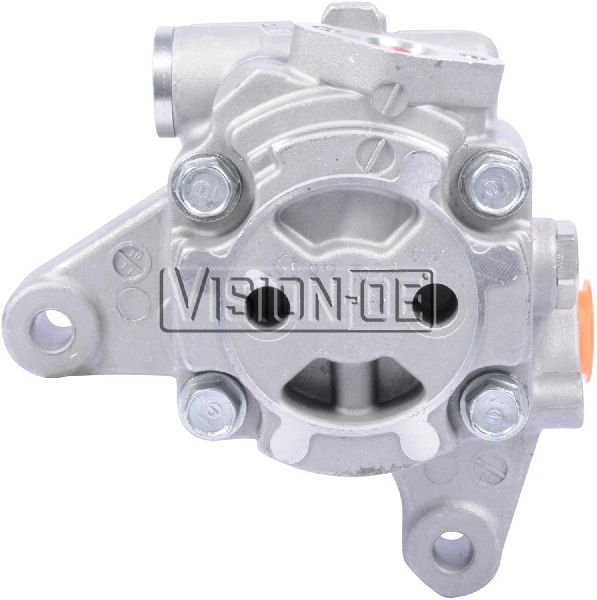
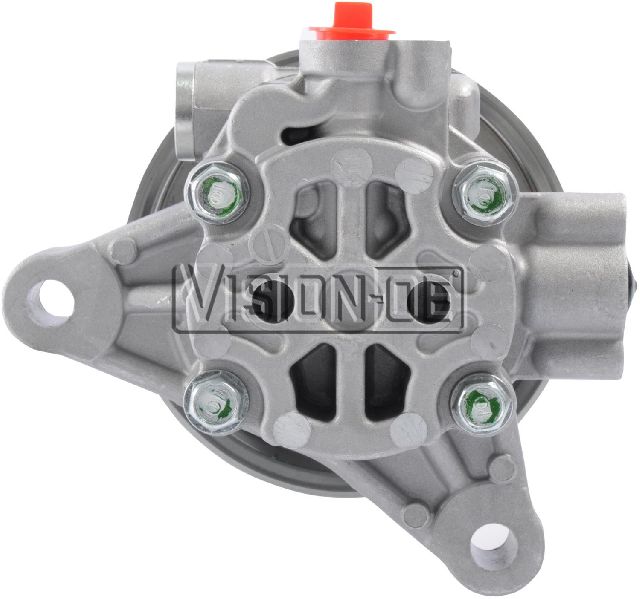
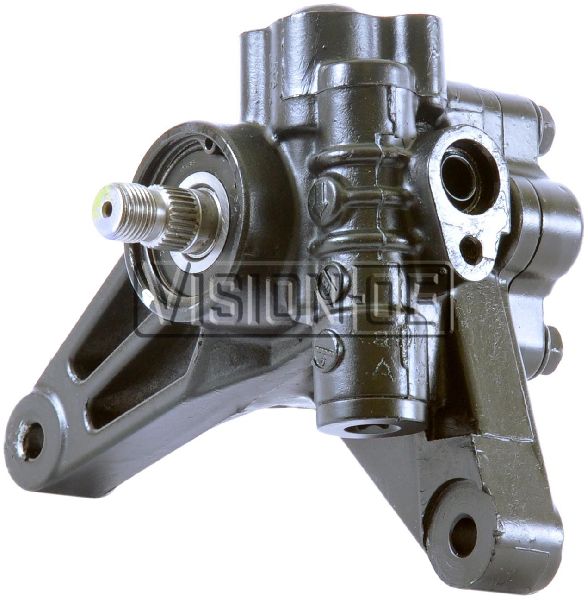
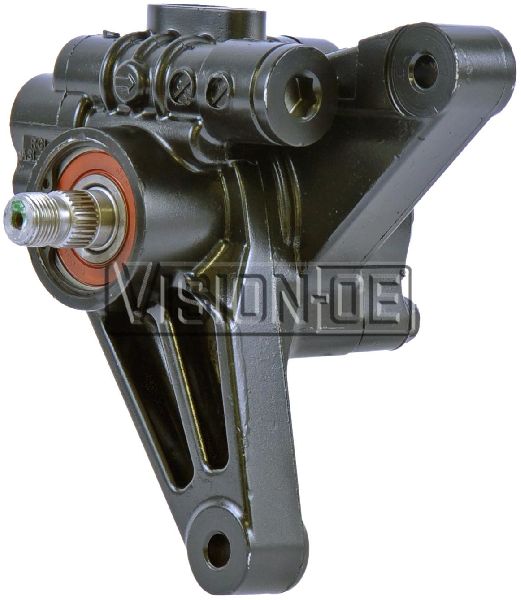
Engine-driven hydraulic pump. Specific fitment for 4-cylinder (2.4L) and V6 (3.0L) engines, and for 7th (2004-2007) vs 8th (2008-2012) generations. Requires genuine Honda Power Steering Fluid.
We Have This Part in Stock

The information in this article is provided for general reference and educational purposes only. Vehicle specifications, procedures, and part compatibility can vary by production date, trim level, and region. Always consult your vehicle's factory service manual and verify part numbers before purchasing or performing repairs. Safety-critical components such as airbags, seat belts, and braking systems should be installed by a qualified professional.
- Honda Accord: