

A Guide to Oxygen Sensors for the 2004-2013 BMW X3
Understand the symptoms of a failing oxygen sensor and learn how to choose the right aftermarket replacement for your E83 or F25 X3.
- Stick with OEM-supplier brands like Bosch or NGK/NTK for the best reliability on your X3.
- A bad O2 sensor will cause a check engine light, poor gas mileage, and rough running.
- Six-cylinder X3 models have four O2 sensors, while four-cylinder versions have two.
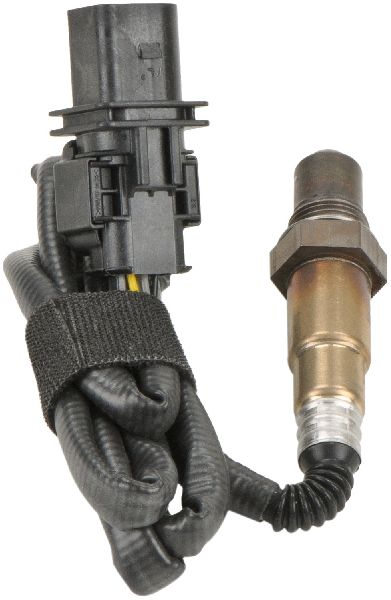
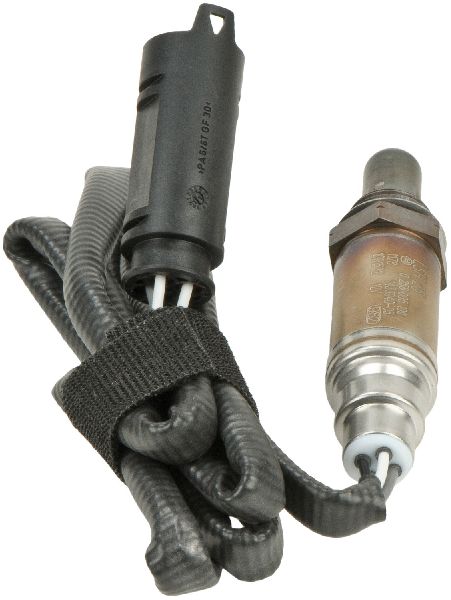
- Do not use 'universal' sensors that require wire splicing; always buy a direct-fit part.
Understanding Oxygen Sensor Failure in Your X3

When an oxygen sensor in your 2004-2013 BMW X3 begins to fail, it can no longer provide accurate data to the engine computer. This forces the computer to guess the proper air/fuel mixture, leading to a range of noticeable problems. Ignoring a faulty O2 sensor can not only decrease performance and fuel economy but may also lead to expensive damage to your catalytic converter over time.
Key Symptoms of a Bad O2 Sensor:
- Check Engine Light: This is the most common sign. A scanner will typically show codes related to O2 sensor performance or heater circuit malfunctions.
- Poor Fuel Economy: When the sensor fails, the engine often runs rich, using more fuel than necessary. You might see a significant drop in your average MPG.
- Rough Idle and Misfires: Incorrect air/fuel mixture can disrupt the engine's timing and stability, causing a rough or erratic idle and potential engine misfires.
- Reduced Engine Performance: Your X3 may feel sluggish or less responsive because the engine isn't running efficiently.
- Rotten Egg Smell: A strong smell of sulfur from the exhaust can indicate that unburned fuel is damaging the catalytic converter due to incorrect sensor readings.
Known Issues and Service Bulletins
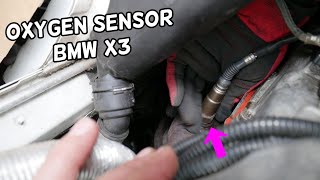
For some 2011-2013 X3 models with the N20 engine, BMW issued a Voluntary Emissions Recall Campaign (13E-A03). A software error in the engine computer (DME) prevented the onboard diagnostics for the oxygen sensor from running correctly. The fix involves reprogramming the DME at a dealership 🎬 Learn how to troubleshoot faulty sensors on F25 models.. While not a direct recall on the sensor itself, it's a related issue owners of these specific years should be aware of.
Choosing the Right Aftermarket Oxygen Sensor

When replacing an oxygen sensor on a BMW, using a quality part is essential. While OEM sensors are available, many aftermarket brands provide the same quality because they are often the original manufacturer for BMW. Cheaper, unbranded sensors can be a gamble and may not have the correct response parameters, leading to persistent check engine lights and performance issues.
Brand Quality Tiers for BMW X3
- Tier 1 (OEM Supplier / Equivalent): Bosch and NGK (NTK) are top choices. Bosch invented the modern automotive oxygen sensor and is a primary supplier to BMW. NGK, through its sensor division NTK, is also highly regarded for OE-quality sensors. Choosing one of these brands is the safest bet for a direct-fit, reliable replacement.
- Tier 2 (Reputable Aftermarket): Brands like Denso and Delphi are well-known in the aftermarket and generally produce reliable sensors. While they may not be the original supplier for your specific X3, they are a solid alternative to the top tier.
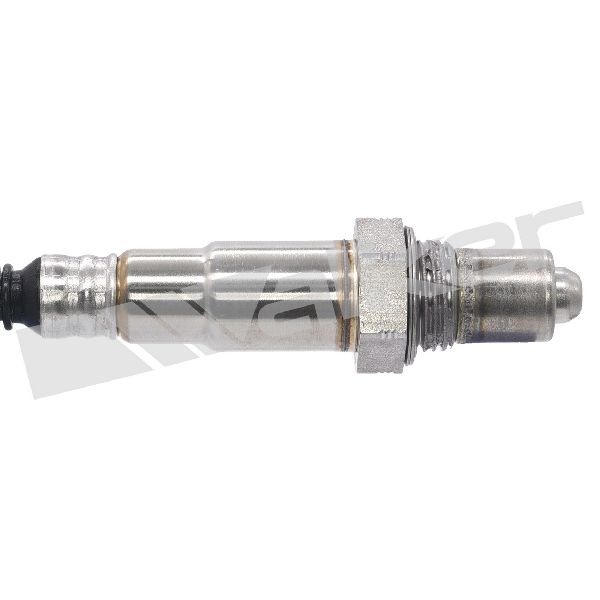
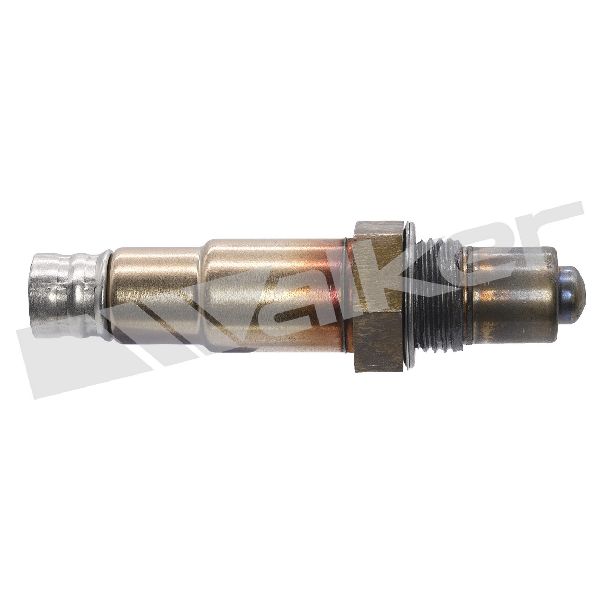
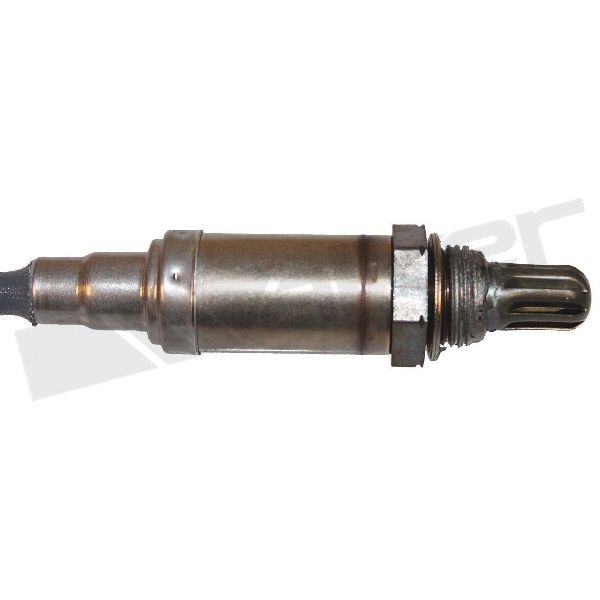
- Tier 3 (Budget Options): Brands such as Walker Products, DriveWire, and URO Parts offer more affordable options. While they can work, some owners report mixed results with budget sensors on sensitive European vehicles. They may be a viable option for older, higher-mileage vehicles, but for optimal performance, sticking to Tier 1 or 2 is recommended.
Pro Tip: Always choose a "direct-fit" sensor with the correct OE-style electrical connector. Avoid "universal" sensors that require you to cut and splice wires, as this can introduce a point of failure and is not recommended for modern BMWs.
Cost of Replacing an Oxygen Sensor on a 2004-2013 BMW X3

| Part / Service | Estimated Cost |
|---|---|
| New Aftermarket Oxygen Sensor | $25 - $274 [Prompt] |
| New OEM BMW Oxygen Sensor | $200 - $750+ |
| Shop Labor Cost | $100 - $360 |
| Total Professional Replacement (Aftermarket Part) | $125 - $634 |
| Total Professional Replacement (OEM Part) | $300 - $1,114+ |
Frequently Asked Questions

How many oxygen sensors does my BMW X3 have?
The number depends on your engine. Six-cylinder models (like the 3.0i, 3.0si, xDrive28i N52, and xDrive35i) typically have four oxygen sensors: two upstream (pre-catalyst) and two downstream (post-catalyst). Four-cylinder models (like the xDrive28i N20) usually have two sensors: one upstream and one downstream.
What is the difference between an upstream and a downstream sensor?
Upstream sensors (also called Bank 1 Sensor 1 or Bank 2 Sensor 1) are located in the exhaust manifold before the catalytic converter. They are the primary sensors used by the engine computer to make rapid adjustments to the air-fuel mixture. Downstream sensors (Bank 1 Sensor 2 or Bank 2 Sensor 2) are located after the catalytic converter and are mainly used to monitor the converter's efficiency.
Can I replace just one oxygen sensor?
Yes, you can replace only the failed sensor. However, O2 sensors age with use. If one has failed, especially on a higher-mileage vehicle, the others may not be far behind. Some mechanics recommend replacing them in pairs (e.g., both upstream sensors at the same time 🎬 Watch a guide on replacing both upstream oxygen sensors.) to ensure balanced and accurate readings.
Is it difficult to replace an O2 sensor on an X3 myself?
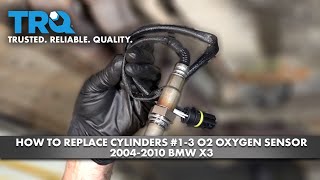
The difficulty varies. The upstream sensors on many X3 models are accessible from the engine bay, but may require removing some covers or heat shields 🎬 See how to replace the cylinder 1-3 oxygen sensor.. The downstream sensors require safely lifting the vehicle. The sensors can be very tight in the exhaust pipe, often requiring a special O2 sensor socket and a breaker bar to remove. While DIY is feasible for those with the right tools and experience, it can be challenging if the sensor is seized due to rust and heat.
Helpful Videos

Technical Specifications
OEM Part Numbers: 11787589121 11787596909 11787558055 11787523434 11787523435 11781433940 11787545075
Number of sensors varies by engine (2 for 4-cylinder, 4 for 6-cylinder). Sensors are designated as upstream (pre-catalyst) or downstream (post-catalyst), and for 6-cylinder engines, by bank (Bank 1 for cylinders 1-3, Bank 2 for cylinders 4-6). A special 22mm slotted socket is recommended for removal.
We Have This Part in Stock


The information in this article is provided for general reference and educational purposes only. Vehicle specifications, procedures, and part compatibility can vary by production date, trim level, and region. Always consult your vehicle's factory service manual and verify part numbers before purchasing or performing repairs. Safety-critical components such as airbags, seat belts, and braking systems should be installed by a qualified professional.
- BMW X3:
- 🎬 Helpful Videos
- 🛍️ Shop This Part
- Understanding Oxygen Sensor Failure in Your X3
- Key Symptoms of a Bad O2 Sensor:
- Known Issues and Service Bulletins
- Choosing the Right Aftermarket Oxygen Sensor
- Brand Quality Tiers for BMW X3
- Cost of Replacing an Oxygen Sensor on a 2004-2013 BMW X3
- Frequently Asked Questions
- 🎟️ Get 5% Off