

A Guide to Aftermarket Brake Pads for the 2006-2013 Dodge Charger
Get the right stopping power for your Charger and avoid common issues by choosing the correct brake pads.
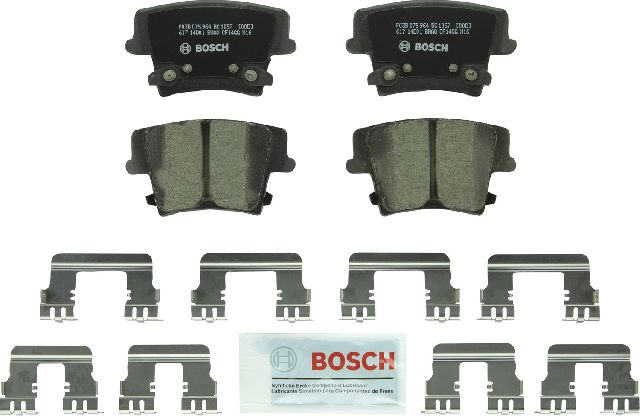
- For most daily driven Chargers, quality ceramic pads from brands like Bosch or Wagner offer the best balance of quiet operation and low dust.
- For R/T and SRT owners, or those wanting more stopping power, performance pads from PowerStop, Hawk, or EBC are a significant upgrade.
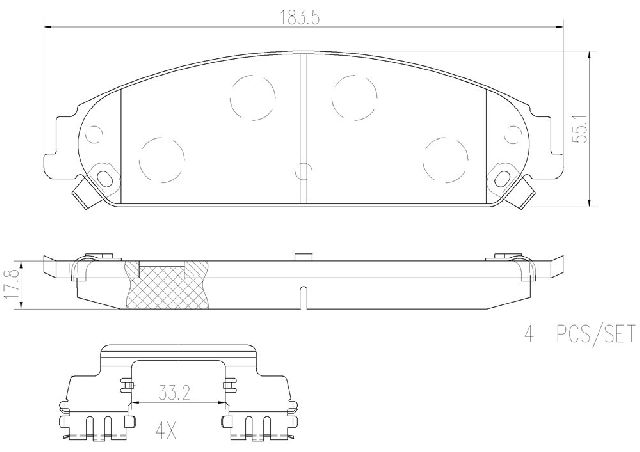
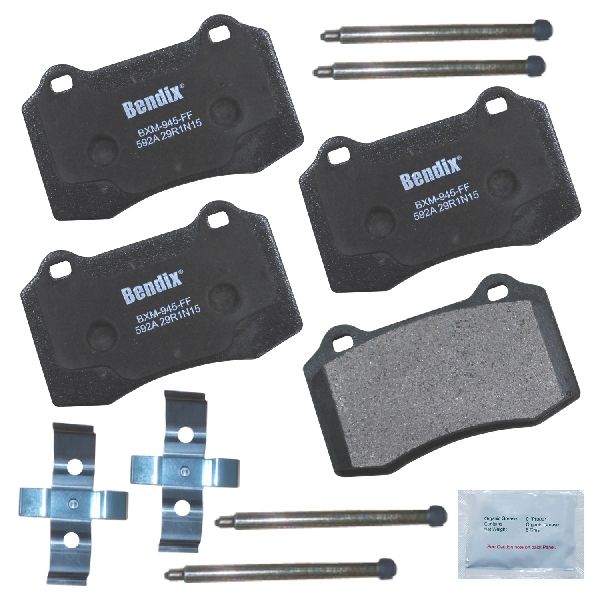
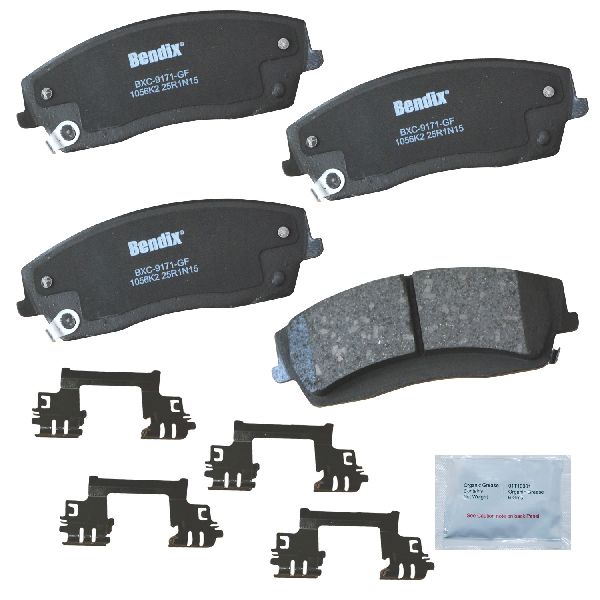
- Always confirm your specific brake package (standard, R/T, or Brembo) before ordering, as pad shapes and sizes vary greatly between trims.
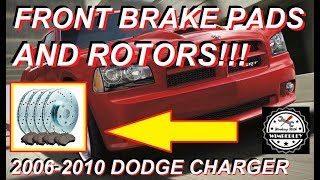
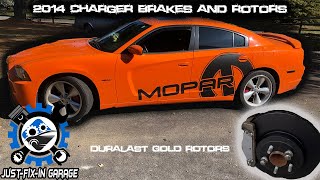
- It is highly recommended to inspect or replace your brake rotors at the same time as your pads for the best performance and longevity.
A Note on Model Years
This guide covers the Dodge Charger models from 2006 to 2013. This includes the first generation (2006-2010) and the early years of the second generation (2011-2013). It's important to always verify the specific fitment for your Charger's trim level (SE, SXT, R/T, SRT8) as brake components can differ significantly.
Symptoms of Worn Brake Pads
Your Charger will give you clear signs when the brake pads are nearing the end of their life. Ignoring these can lead to more expensive repairs, like needing to replace the rotors.
- Squealing or Screeching: This is often the first sign. A small metal tab called a wear indicator scrapes against the rotor, making a high-pitched noise when the pads are thin.
- Grinding Noise: If you hear a grinding or growling sound, it means the pads are completely worn away. This is metal-on-metal contact between the pad's backing plate and the rotor 🎬 Watch this video to help diagnose grinding brake noises., which causes serious damage.
- Vibration or Pulsing: Feeling a pulsation in the brake pedal or steering wheel when braking can point to warped rotors, which can be caused by worn pads.
- Pulling to One Side: If the car pulls to the left or right when you brake, it could mean a caliper issue or uneven pad wear.
- Brake Warning Light: Some vehicles have a sensor that triggers a light on your dashboard when the pads are low.
Choosing the Right Aftermarket Brake Pads
The original Mopar pads on your Charger are a good baseline, but the aftermarket offers a wide range of options that can be better suited to your driving style and budget. Pads are generally made from three types of material: semi-metallic, ceramic, and carbon-ceramic.
Tier 1: Daily Driver & Economy Pads
These pads are perfect for the average Charger owner who uses their car for commuting and daily errands. The focus is on quiet, smooth operation and low brake dust to keep your wheels clean.
- Brands like Wagner, Bosch, and Raybestos offer excellent daily driver options.
- Material: They are typically ceramic pads. Ceramic pads are known for being very quiet and producing a fine, light-colored dust that isn't very noticeable.
- Pros: Quiet, low dust, long rotor life, and affordable.
- Cons: May not provide the high-performance bite some drivers want.
Tier 2: Performance Street Pads
If you have a V8-powered R/T or SRT8, or you just enjoy more spirited driving, a performance street pad is a great upgrade. These pads offer increased stopping power and better resistance to brake fade during hard use.
- Brands like PowerStop (Z23/Z26), Hawk Performance (HPS 5.0), and EBC Brakes (Redstuff/Bluestuff) are very popular choices.
- Material: These are often carbon-fiber ceramic or aggressive semi-metallic compounds.
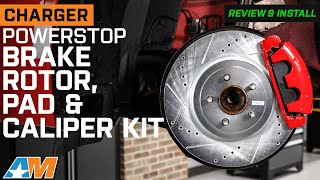
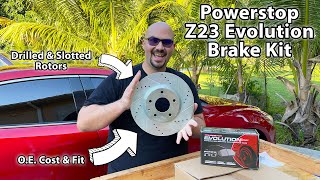
- PowerStop Z26: A popular choice known for low dust and noise with a strong bite. 🎬 See a full installation of the PowerStop Z23 kit.
- Hawk HPS 5.0: Considered a great all-around pad with excellent stopping power, low dust, and quiet operation, making it a top pick for many V6 and 5.7L Hemi owners.
- EBC Redstuff: A ceramic option praised for being extremely quiet and low-dust, ideal for R/T owners who want an upgrade without the mess.
- Pros: Significantly improved stopping power and fade resistance.
- Cons: Can produce more dust and noise than daily driver pads. They also may have a higher price point.
A Note on Brembo Brakes
If your Charger is an SRT8 or has an optional performance package, it may be equipped with Brembo calipers. These require specific brake pads. For example, the DBA XP650 is designed specifically for the 4-piston Brembo calipers found on the 2006-2010 SRT8. Always confirm your caliper type before ordering.
Known Issues, Recalls, and TSBs
While the 2006-2013 Charger has been generally reliable, there are a few items to be aware of. No widespread recalls exist specifically for the brake pads themselves within this model year range. However, some related issues have been noted:
- Recalls: A recall was issued for some 2019 Chargers for an incompatible wheel and brake package, and for 2023 models for a parking brake adjustment issue, but these do not apply to the 2006-2013 model years. Another recall for 2009-2010 models concerned a front wheel hub nut that could cause wheel separation.
- TSB (Technical Service Bulletin): For later model Chargers (2018+) with Brembo brakes, a TSB was issued to address a clicking noise during low-speed turns by installing a friction disc between the hub and rotor. While this doesn't directly apply to most 2006-2013 models, it highlights that brake noises can sometimes originate from places other than the pads.
| Item | Estimated Cost |
|---|---|
| New Aftermarket Pads (Economy) | $31 - $75 |
| New Aftermarket Pads (Performance) | $75 - $348 |
| Shop Labor for Installation (Front or Rear) | $120 - $250 |
Pro Tip: Many shops will install parts you provide, but they won't warranty the part itself. To save money, you can buy the pads yourself and pay a trusted mechanic for the labor.
Frequently Asked Questions (FAQ)
What's the difference between ceramic and semi-metallic pads?
Ceramic pads are made from dense ceramic material and are best for daily driving because they are quiet, produce less dust, and are gentle on brake rotors. Semi-metallic pads contain metal fibers that help dissipate heat and provide more bite, making them better for performance or heavy-duty use, but they are often noisier and create more dust.
Do I need to replace my rotors with my pads?
Not always, but it's highly recommended. If your old pads were completely worn down, they may have grooved or damaged the rotors. New pads on a worn or warped rotor surface will not perform well and will wear out quickly. A mechanic can measure the rotor's thickness to see if it's within a safe specification.
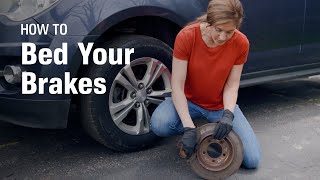
What is brake pad "bedding"?
Bedding-in is a process of breaking in your new pads and rotors. It involves a series of controlled stops to transfer a thin, even layer of friction material from the pad to the rotor. This process ensures smooth, powerful, and quiet braking. Most performance pad manufacturers provide specific bedding instructions.
🎬 Learn how to properly bed-in your new pads and rotors.How difficult is it to change brake pads on a Charger?
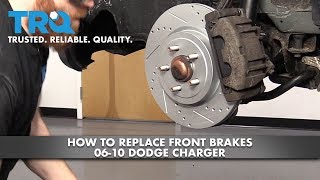
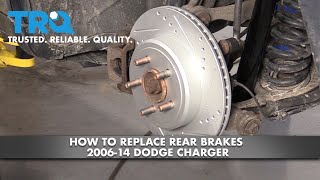
For a DIYer with the right tools, changing brake pads on a Charger is a fairly straightforward job. It involves removing the wheel, unbolting the caliper, swapping the pads, and reassembling. However, brakes are a critical safety system. If you are not 100% confident in your ability, it is best to have a professional mechanic do the work.
Helpful Videos



Technical Specifications
OEM Part Numbers: V1012931AB 5174321AA 5174321AB 68052386AA
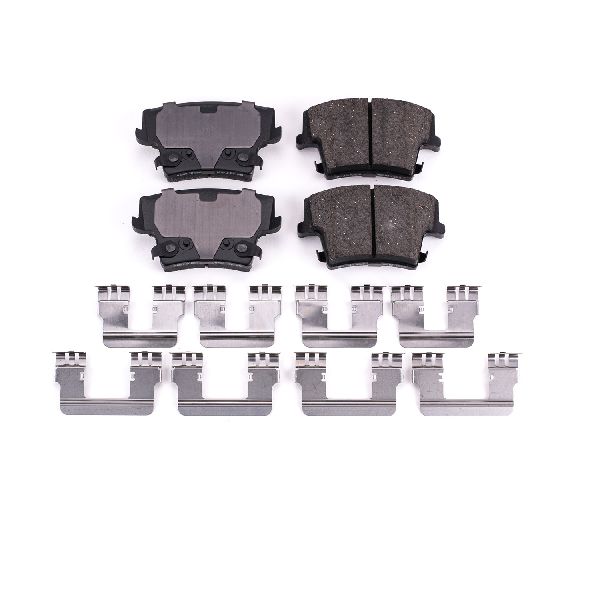
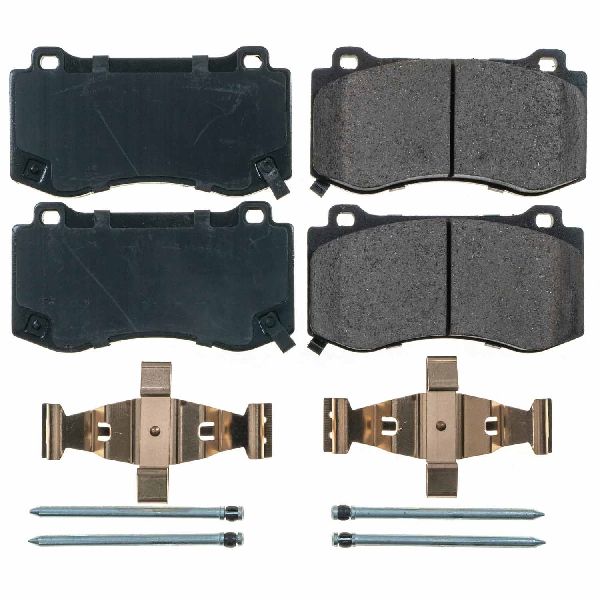
Brake pad material can be ceramic, semi-metallic, or carbon-ceramic. Fitment varies based on trim level (SE, SXT, R/T, SRT8) and whether the vehicle is RWD or AWD. Some models are equipped with single, dual, or four-piston calipers (including Brembo), each requiring a specific pad shape.
We Have This Part in Stock

The information in this article is provided for general reference and educational purposes only. Vehicle specifications, procedures, and part compatibility can vary by production date, trim level, and region. Always consult your vehicle's factory service manual and verify part numbers before purchasing or performing repairs. Safety-critical components such as airbags, seat belts, and braking systems should be installed by a qualified professional.
- Dodge Charger: