

Ford E-150 Fuel Pressure Sensor Guide for 2004-2013 Models
Everything you need to know about diagnosing and replacing the fuel pressure sensor on your 2004-2013 Ford E-150 van.
- Symptoms like stalling or a P0191 code are often caused by a corroded Fuel Pump Driver Module (FPDM) near the spare tire; check this part first.
- A failing fuel pressure sensor can cause a no-start, stalling, rough idle, and a loss of power.
- Replacement is a simple DIY job for most, but you must work on a cool engine and take precautions against fuel spillage.
- For best results, choose a high-quality aftermarket brand like Bosch or Standard Motor Products, or stick with OEM Motorcraft.
Is Your E-150's Fuel Pressure Sensor Failing?


A bad fuel pressure sensor can cause a range of problems, from annoying to serious. Because the sensor's data is vital for correct fuel delivery, a failure can make your van run poorly or not at all. Ignoring the symptoms can lead to more expensive repairs down the road.
Common Symptoms of a Bad Sensor:
- Check Engine Light: This is often the first sign. You may see codes like P0190, P0191, P0192, or P0193. 🎬 Watch a mechanic diagnose and swap a failing pressure sensor.
- Difficulty Starting: The engine may crank for a long time before it starts, or it might not start at all. This happens because the computer doesn't see the correct fuel pressure needed to fire up the engine.
- Stalling or Rough Idle: Your van might stall unexpectedly, especially when you're stopped or driving at low speeds. A rough, shaky idle is also common.
- Loss of Power: You might notice your E-150 feels sluggish and doesn't accelerate like it used to. This is a classic sign that the engine isn't getting the right amount of fuel under load.
- Worse Fuel Economy: If the sensor is sending incorrect high-pressure readings, the computer may deliver too much fuel, causing your gas mileage to drop.
A Related, Common Failure Point
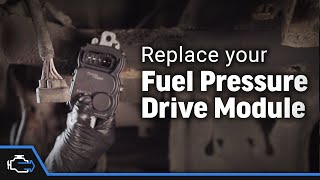
Many owners find that symptoms pointing to a bad fuel pressure sensor are actually caused by a corroded Fuel Pump Driver Module (FPDM). This module is located on a frame cross-member near the spare tire. It's exposed to the elements, and corrosion can cause it to fail, leading to fuel pressure codes like P0191 and stalling. It's wise to inspect the FPDM for corrosion 🎬 See how to inspect and replace a corroded driver module. before replacing the fuel pressure sensor itself.
Choosing the Right Aftermarket Fuel Pressure Sensor

When it comes to electronic sensors, quality matters. While an OEM Motorcraft part is always a safe bet, high-quality aftermarket brands can offer reliable performance at a better price. For your 2004-2013 E-150, you'll find several options.
Brand Tiers for Your Ford E-150:
- Bosch: Bosch is a massive OEM supplier for many car manufacturers, including Ford. Their parts are often considered OE-equivalent in quality and are engineered to high standards. For a critical sensor like this, Bosch is a top-tier aftermarket choice.
- Standard Motor Products (SMP): SMP has been a major player in the aftermarket for decades. They manufacture many parts in-house and also work with OE suppliers. Their standard line (red box) is generally considered a reliable, professional-grade replacement part.
- Holstein: Holstein is another aftermarket brand that produces a wide range of sensors. They are typically positioned as a standard replacement option, offering a balance of quality and value.
Many professional mechanics recommend sticking with the OEM (Motorcraft) or a known OE-supplier like Bosch for critical electronic sensors. While it might cost a little more upfront, it can prevent the headache of a premature failure and having to do the job twice.
How Much Does a Fuel Pressure Sensor Replacement Cost?
The cost depends on whether you do it yourself or have a shop do the work. The part itself is moderately priced, and labor is typically low since the sensor is easy to access on most E-150 engines.
| Part or Service | Estimated Cost |
|---|---|
| New Aftermarket Sensor | $74.50 - $146.21 |
| New OEM (Motorcraft) Sensor | $85 - $140 |
| Shop Labor | $80 - $150 |
| Total Professional Replacement | $155 - $296 |
Frequently Asked Questions

Where is the fuel pressure sensor located on my E-150?
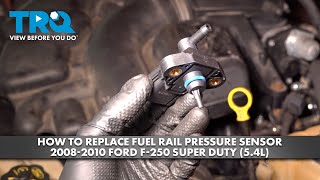
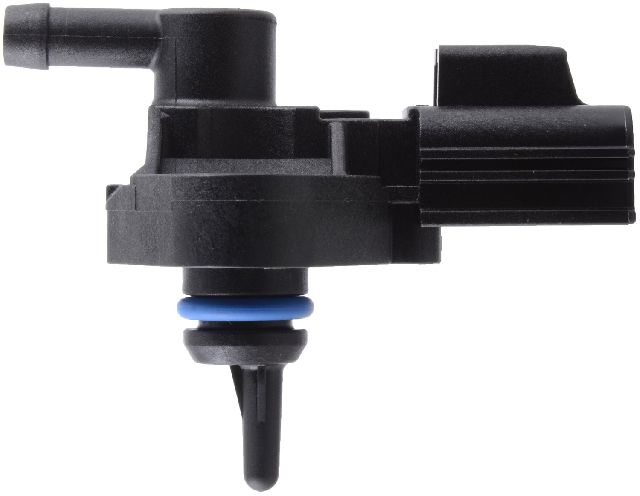
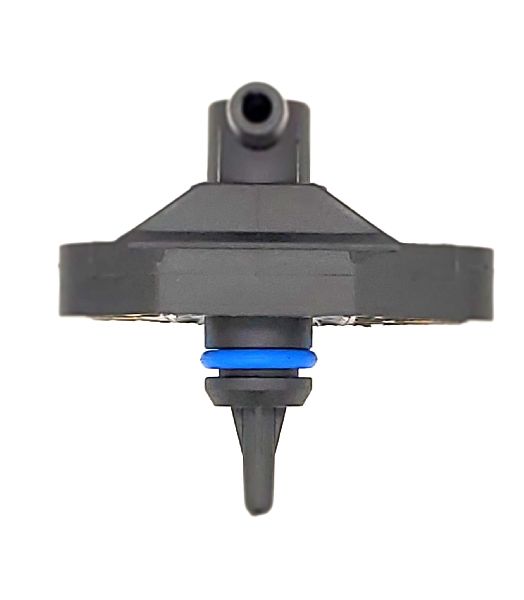
The fuel pressure sensor is mounted directly on the engine's fuel rail. On the 4.6L and 5.4L V8 engines common in these vans, you can find it on the metal tube that supplies fuel to the injectors. It's usually held in place by two small bolts and has an electrical connector and a vacuum line attached.
Is this a difficult part to replace myself?
No, for most people with basic hand tools, this is a very feasible DIY job. 🎬 Watch this step-by-step sensor replacement on an Econoline van. The key is to work safely. Always work on a cool engine, relieve the fuel pressure at the rail's Schrader valve (if equipped), and have rags ready to catch any spilled gasoline. Do not use power tools, as they can create sparks. The job typically takes less than an hour.
Are there any recalls for this part?
There are no specific recalls from the NHTSA for the fuel pressure sensor itself on the 2004-2013 Ford E-150. There have been recalls for other fuel system components, such as fuel tanks on CNG vehicles or for fuel tank liner separation, but not the sensor.
Should I replace the sensor or the Fuel Pump Driver Module (FPDM) first?
Because a corroded FPDM is a very common issue on these vans and produces the exact same symptoms, it's highly recommended to inspect it first. It's located on the rear frame cross-member. If it's swollen or has holes from corrosion, replace it first, clear the codes, and see if the problem is resolved before buying a new fuel pressure sensor.
Helpful Videos
Technical Specifications
OEM Part Numbers: 3F2Z-9G756-AC CM5229
The sensor mounts to the fuel rail and typically has a 4-pin electrical connector and a vacuum port.
We Have This Part in Stock


The information in this article is provided for general reference and educational purposes only. Vehicle specifications, procedures, and part compatibility can vary by production date, trim level, and region. Always consult your vehicle's factory service manual and verify part numbers before purchasing or performing repairs. Safety-critical components such as airbags, seat belts, and braking systems should be installed by a qualified professional.
- Ford E-150: