

GMC Canyon 2004-2013 Shock Absorber Replacement Guide
Restore your truck's ride quality and handling by choosing the right new aftermarket shocks.
- Symptoms of failure include bouncing, nose-diving when braking, fluid leaks, and cupped tire wear.
- For most owners, an aftermarket monotube shock like the Bilstein 4600 offers a significant upgrade in control over the stock shocks for a daily driven, stock-height truck.
- Always replace shocks in pairs (front or rear) and get a wheel alignment after replacing front struts to prevent handling issues and tire wear.
- Verify your truck's specific suspension package (Z71, Z85, ZQ8, 2WD/4WD) before ordering, as fitment is different.
Is Your Canyon's Ride Getting Rough?
As a 2004-2013 GMC Canyon ages, the original shocks and struts wear out. This happens gradually, so you might not notice how much ride quality you've lost. When shocks fail, your truck's ability to handle bumps, turns, and sudden stops is significantly reduced. Replacing them can make your truck feel new again.
Symptoms of Worn-Out Shocks
Not sure if it's time for a replacement? Look for these common signs:
🎬 Watch this guide to identifying symptoms of bad shocks.- Excessive Bouncing: After hitting a bump or dip, your truck continues to bounce up and down. A simple test is to push down hard on a corner of your truck; if it bounces more than once, the shocks are likely worn. 🎬 Learn how to evaluate your truck's bounce with these steps.
- Nose-Diving and Squatting: The front of the truck dips sharply when you brake, or the rear squats down when you accelerate. This indicates the shocks can no longer control the weight transfer.
- Fluid Leaks: A clear sign of failure is oily fluid leaking from the body of the shock. Look for a wet, grimy film on the shock itself.
- Clunking or Knocking Noises: Worn internal components or mounting bushings can cause clunking sounds when you drive over uneven surfaces.
- Uneven Tire Wear: Failing shocks can cause tires to bounce on the road, leading to a wear pattern called "cupping" or "scalloping."
- Swaying or Body Roll: You might feel the truck leaning too much in turns or being unstable in crosswinds. 🎬 See how new shocks improve handling and reduce swaying.
Known Issues, Recalls, and Service Bulletins
For the 2004-2013 GMC Canyon, there are no major recalls or technical service bulletins (TSBs) from the NHTSA specifically for defective shock absorbers. Most issues are related to normal wear over many miles. Some general TSBs exist for diagnosing suspension noises or vibrations, but these do not point to a specific part defect. A recall was issued for child seat anchors on some models, but it is unrelated to the shocks themselves.
Choosing the Right Aftermarket Shocks
Aftermarket shocks for the Canyon often provide better performance and value than OEM (Original Equipment Manufacturer) parts. Here’s a breakdown of popular brand tiers to help you decide:
Tier 1: OE-Style Replacements
These shocks are designed to restore the original ride and handling of your truck. They are affordable and a great choice for daily driving.
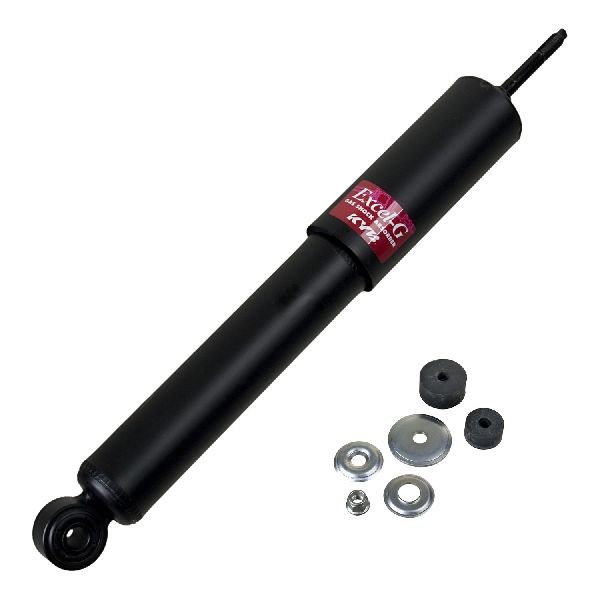
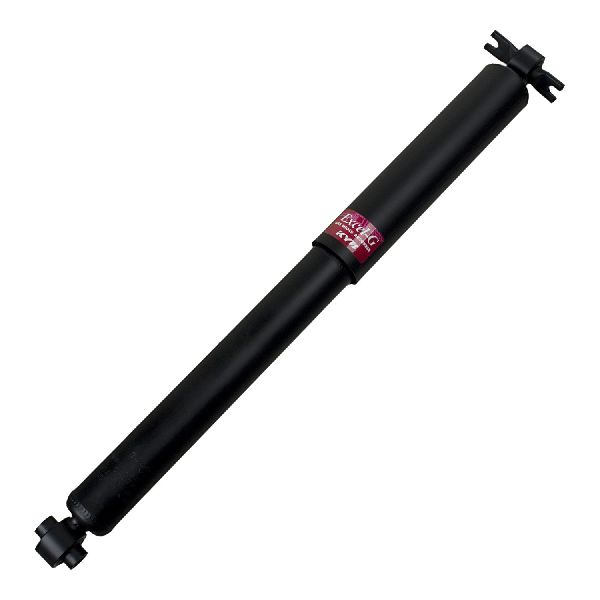
- KYB Excel-G: A very popular choice that provides a ride quality similar to or slightly firmer than the original factory shocks. They are known for good quality and durability.
- Monroe OESpectrum: These often provide a softer, more comfortable ride. They are a good value but some users report they don't last as long as firmer options.
- FCS Struts / PRT: These are budget-friendly options that meet the basic need of replacing a completely failed shock. They restore function but may not offer the longevity or performance of other brands.
Tier 2: Performance & Heavy-Duty Upgrades
If you tow, haul, or just want better control and a firmer ride, these are excellent choices. They use monotube designs which offer better performance and heat dissipation.
- Bilstein 4600 (HD): Considered the industry standard for a stock-height truck upgrade. They provide a significant improvement in control and handling without making the ride harsh. These are ideal for daily driving and light towing.
- Rancho RS5000X: A popular and affordable upgrade. Some users find the ride to be firm or a bit harsh on small bumps but effective for truck duties.
Pro Tip: Monotube vs. Twin-Tube
Your Canyon came with twin-tube shocks from the factory. Upgrading to a monotube design like the Bilstein 4600 or 5100 provides more consistent damping, better heat dissipation, and improved control, especially under heavy use.
Tier 3: Off-Road & Lifted Truck Shocks
For owners who have lifted their Canyon or frequently go off-road, these shocks are specifically designed for increased travel and durability.
- Bilstein 5100: A legendary shock for lifted trucks. They are designed to handle larger tires and have valving that is firmer to control the extra weight and higher center of gravity. They are not recommended for stock-height trucks, as the 4600 series will provide a better ride.
- Rancho RS9000XL: These are adjustable, allowing you to dial in the firmness for different situations, like towing a trailer versus daily commuting.
- Skyjacker / Tuff Country / Fabtech: These brands specialize in suspension systems and offer shocks designed to work with their lift kits.
| Component | Estimated Cost |
|---|---|
| New Aftermarket (Budget/OE-Style) | $115 - $250 |
| New Aftermarket (Performance/HD) | $250 - $450 |
| Shop Labor | $250 - $500 |
Frequently Asked Questions
Do I need to replace all four shocks at once?
It is highly recommended to replace shocks in pairs (both fronts or both rears). Replacing all four at the same time will provide the most consistent and safest handling.
Is a wheel alignment necessary after replacing shocks?
Yes. When you replace the front struts, you are disconnecting parts of the steering and suspension. A wheel alignment is required afterward to ensure proper handling and prevent premature tire wear.
What's the difference between a shock and a strut?
A strut is a structural part of the suspension that combines the shock absorber and coil spring into a single assembly. A shock is a separate component that only handles damping. Your 2004-2013 Canyon uses struts in the front and shocks in the rear.
Can I install new shocks myself?
Yes, this is a feasible DIY job for someone with mechanical experience and the right tools. The rear shocks are particularly easy, held in by two bolts. The front struts are more complex and require care, especially when dealing with the compressed spring. Always use a high-quality spring compressor if you are not replacing the entire strut assembly.
My truck has the Z71 Off-Road package. Do I need special shocks?
Yes, the Z71 package has a different suspension height and tuning. Always ensure the shocks you buy are listed as compatible with your specific sub-model (e.g., 2WD, 4WD, Z71, Z85, ZQ8). Using the wrong shock can lead to poor ride quality and damage.
Helpful Videos

Technical Specifications
The first-generation GMC Canyon uses a front strut assembly (shock and coil spring) and a separate rear shock absorber with a leaf spring suspension. Different shocks are required for 2WD, 4WD, and various suspension packages (Z71, Z85, ZQ8).
We Have This Part in Stock


The information in this article is provided for general reference and educational purposes only. Vehicle specifications, procedures, and part compatibility can vary by production date, trim level, and region. Always consult your vehicle's factory service manual and verify part numbers before purchasing or performing repairs. Safety-critical components such as airbags, seat belts, and braking systems should be installed by a qualified professional.
- GMC Canyon:
- 🎬 Helpful Videos
- 🛍️ Shop This Part
- Is Your Canyon's Ride Getting Rough?
- Symptoms of Worn-Out Shocks
- Known Issues, Recalls, and Service Bulletins
- Choosing the Right Aftermarket Shocks
- Tier 1: OE-Style Replacements
- Tier 2: Performance & Heavy-Duty Upgrades
- Pro Tip: Monotube vs. Twin-Tube
- Tier 3: Off-Road & Lifted Truck Shocks
- Frequently Asked Questions
- 🎟️ Get 5% Off