

Infiniti QX56 Oxygen Sensor Guide: 2004-2013
Everything you need to know about replacing the oxygen sensors on your 2004-2013 Infiniti QX56.
- Your QX56 has four oxygen sensors: two upstream (before the catalytic converter) and two downstream (after).
- A bad upstream sensor is more critical, affecting fuel economy and performance.
- Denso and NGK/NTK are OEM-quality brands for your Infiniti. Choosing a direct-fit sensor is essential.
- Symptoms include a check engine light, poor gas mileage, and rough idling.
- While DIY replacement is possible with a special socket, sensors can be difficult to remove if they are rusted in place.
Is a Bad Oxygen Sensor a Big Deal?
Yes, it can be. The sensors located before your catalytic converters (upstream sensors) are critical for engine performance. If they fail, the engine's computer gets bad information and can't properly adjust the air-fuel mixture. This leads to poor gas mileage, rough running, and higher emissions. Ignoring a bad upstream sensor can eventually damage your expensive catalytic converters. The sensors after the catalytic converter (downstream sensors) mainly check if the converters are working correctly.
Symptoms of a Failing Oxygen Sensor

A bad oxygen sensor will almost always turn on your "Check Engine" or "Service Engine Soon" light. 🎬 Watch this breakdown of common bad oxygen sensor symptoms. Besides the light, you might notice other problems with your QX56:
- Worse Gas Mileage: The most common sign. A bad sensor can cause the engine to use more fuel than it needs.
- Rough Idle: Your engine might shake or run unevenly when you're stopped.
- Hesitation or Misfires: The vehicle may stumble or hesitate when you accelerate.
- Bad Smell from Exhaust: A smell like rotten eggs or gasoline can mean the air-fuel mixture is too rich.
Check for Other Problems First
Sometimes, an oxygen sensor code doesn't mean the sensor itself is bad. It might just be reporting a problem caused by something else, like an exhaust leak, a bad fuel injector, or a vacuum leak. A mechanic can test the sensor to be sure. One owner reported a persistent O2 sensor code that was ultimately caused by a non-factory exhaust manifold.
Choosing the Right Aftermarket Oxygen Sensor

You don't have to buy the expensive OEM part from an Infiniti dealer. Many aftermarket brands make high-quality replacements. For your QX56, the original sensors were likely made by Denso or NGK (also known as NTK). Choosing one of these brands is as close to OEM quality as you can get.
Here’s a breakdown of common brands:
- Tier 1 (OEM Quality): Denso, NGK/NTK, and Bosch are excellent choices. They are often the original equipment manufacturers for Nissan/Infiniti and other major car brands. These will provide the best fit and performance.
- Tier 2 (Quality Aftermarket): Brands like Delphi, Hella, and Walker Products are well-known in the aftermarket and offer reliable, direct-fit sensors.
- Tier 3 (Budget-Friendly): Brands like DriveWire, Spectra, and Vemo offer a lower-cost alternative. While they can work, their long-term reliability and performance might not match the higher-tier brands.
Direct-Fit vs. Universal Sensors
Always choose a "direct-fit" or "exact-fit" sensor. These come with the correct plug for your QX56 and require no wire splicing. Universal sensors are cheaper but require you to cut and connect wires, which can lead to problems if not done perfectly.
How Many Oxygen Sensors Does My QX56 Have?

Your 2004-2013 QX56, with its V8 engine, has four oxygen sensors. There are two upstream sensors (before the catalytic converters) and two downstream sensors (after the catalytic converters). They are located on "Bank 1" (driver's side) and "Bank 2" (passenger's side).
| Code Name | Common Name | Location |
|---|---|---|
| Bank 1, Sensor 1 | Upstream, Driver's Side | In the exhaust manifold before the catalytic converter on the driver's side. |
| Bank 2, Sensor 1 | Upstream, Passenger's Side | In the exhaust manifold before the catalytic converter on the passenger's side. |
| Bank 1, Sensor 2 | Downstream, Driver's Side | In the exhaust pipe after the catalytic converter on the driver's side. |
| Bank 2, Sensor 2 | Downstream, Passenger's Side | In the exhaust pipe after the catalytic converter on the passenger's side. |
Frequently Asked Questions

Do I need to replace all four sensors at once?
No, but it is often recommended, especially on high-mileage vehicles. Oxygen sensors degrade over time. If one has failed, the others may not be far behind. Replacing them in pairs (both upstream or both downstream) can ensure balanced performance.
Can I clean my oxygen sensor?
While some people try to clean them, it is not a reliable or recommended fix. The sensing element is delicate and can be damaged by cleaning. Contaminants from things like antifreeze or oil can permanently ruin a sensor. Replacement is the only guaranteed solution.
Do I need a special tool to replace an oxygen sensor?
Yes, it is highly recommended. A special socket called an "oxygen sensor socket" has a slot on the side for the wire to pass through. Using one makes the job much easier and prevents damage to the new sensor's wiring. You can often rent this tool from an auto parts store.
Are there any recalls for the QX56 oxygen sensor?
Searches did not find any specific recalls for oxygen sensor failure on the 2004-2013 QX56. There was a recall for some other Nissan and Infiniti models in 2015-2016 related to the rear O2 sensor software, but the QX56 was not listed as being directly affected.
🎬 Watch a step-by-step O2 sensor replacement for your QX56.Helpful Videos
![Bad O2 Sensor Symptoms Downstream & Upstream [Oxygen Sensor Failure and Causes] How to fix & Replace](https://img.youtube.com/vi/b-xxdBlikSA/mqdefault.jpg)
Technical Specifications
OEM Part Numbers: 22693-7S000 226A0-7S001 22693-ZE00A 226A0-EN21A 22693-1LA0C
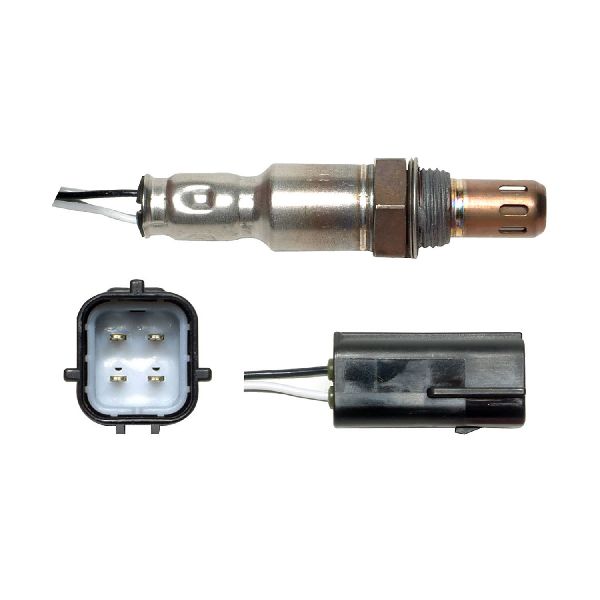
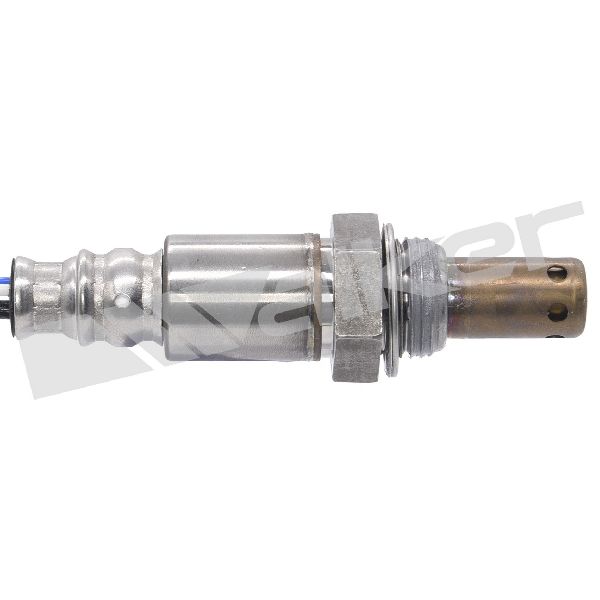
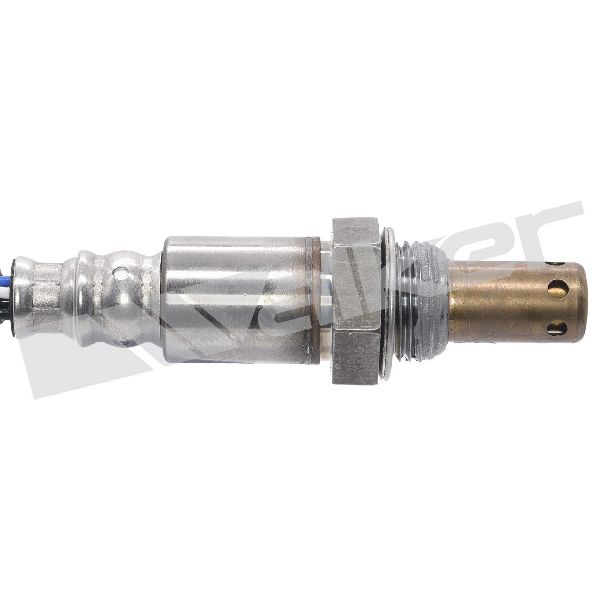
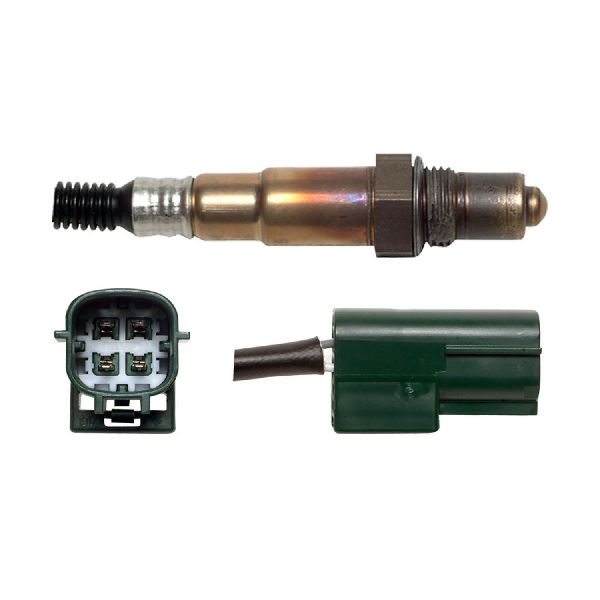
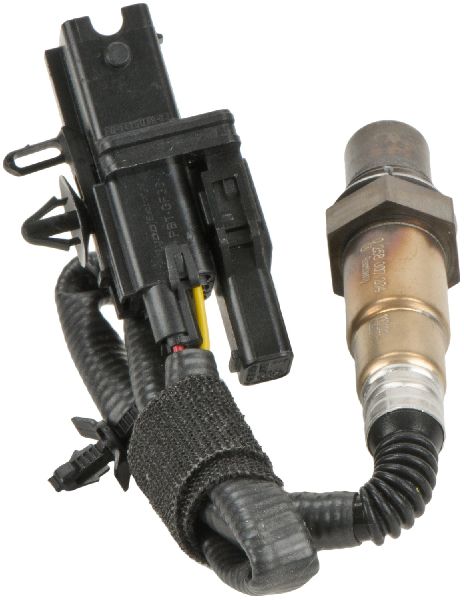
The 2004-2013 QX56 uses four heated oxygen sensors. The upstream sensors are wideband air-fuel ratio sensors (typically 5-wire), while the downstream sensors are traditional zirconia sensors (typically 4-wire). All are screw-in type with an M18 thread.
We Have This Part in Stock


The information in this article is provided for general reference and educational purposes only. Vehicle specifications, procedures, and part compatibility can vary by production date, trim level, and region. Always consult your vehicle's factory service manual and verify part numbers before purchasing or performing repairs. Safety-critical components such as airbags, seat belts, and braking systems should be installed by a qualified professional.
- INFINITI QX56: