

Guide to the 2004-2013 Mazda 3 TPMS Valve Stem
Understanding the crucial link between your tire's valve stem and its pressure monitoring system.
- Corrosion is the main enemy of the TPMS valve stems on 2004-2013 Mazda 3s, potentially leading to leaks or sudden failure.
- A valve stem service kit fixes air leaks; it does not fix a flashing TPMS light, which indicates an electronic sensor failure.
- It is not a DIY job; replacing the valve stem requires a tire machine to dismount the tire from the wheel.
- For preventative maintenance, replace the valve stem service kits on all four wheels when you buy new tires.
Is Your TPMS Light On? Understanding the Warnings
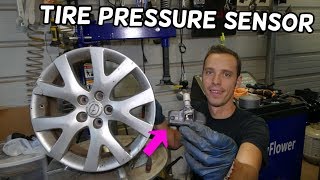
The TPMS light on your dashboard can mean two different things. If the light is on and stays solid, it means one or more of your tires has low air pressure. You should check your tire pressures right away. If the light flashes for about a minute when you start the car and then stays solid, it means there's a problem with the TPMS system itself. 🎬 Watch: Learn the difference between a solid and flashing TPMS light. This could be a dead sensor battery or a broken valve stem.
A Common Problem: Valve Stem Corrosion
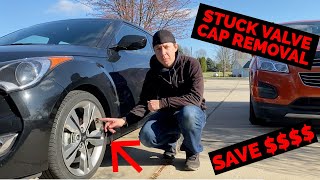
A frequent issue for 2004-2013 Mazda 3 owners, especially in areas with winter road salt, is corrosion of the aluminum TPMS valve stem. This corrosion can cause slow air leaks, which will make your solid TPMS light come on. In more severe cases, the valve stem can become so brittle that it breaks off when you try to add air or even while driving, causing a sudden flat tire. Sometimes, the valve cap can corrode and seize onto the stem, and trying to force it off can break the sensor.
🎬 See how to safely remove a stuck, corroded valve stem cap.Warning: Valve Stem vs. Full Sensor
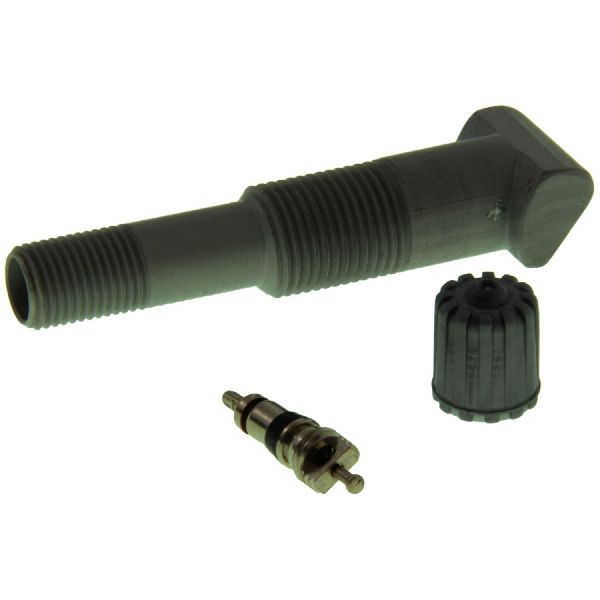
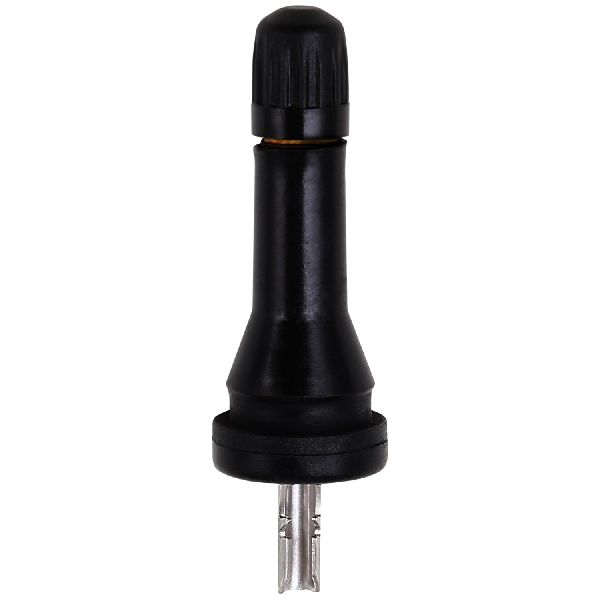
This article focuses on the TPMS valve stem, which is often sold as a service kit. This kit includes the stem, nut, seals, and valve core. It is designed to fix physical leaks at the valve. It will NOT fix a flashing TPMS light caused by a dead sensor battery. If a sensor's battery is dead (they last 5-10 years), the entire sensor unit must be replaced.
Choosing the Right Aftermarket Part
When a valve stem fails from corrosion or damage, you don't always need to buy an expensive OEM sensor assembly. High-quality aftermarket valve stem service kits are available.
- OEM Quality (e.g., Continental): Continental is an original equipment (OE) supplier for many automakers and is known for its quality. Their aftermarket TPMS parts are validated to meet the same standards for fit and performance as the dealer part. Choosing a reputable brand like Continental ensures reliability and proper function with your Mazda 3's system.
Since the provided price range is $6.26 - $10.08, we are discussing the valve stem service kit, not the complete electronic sensor.
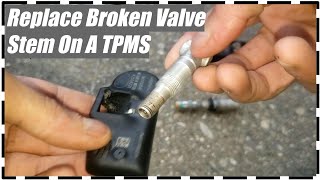
🎬 Watch this walkthrough on replacing a broken valve stem without programming.Pro Tip: Replace in Sets
It is highly recommended to replace the TPMS valve stem service kits on all four wheels whenever you get new tires. The rubber seals are designed for one-time use, and the cost of the kits is minimal compared to the labor of breaking down a tire to fix a leak later.
Known Issues, Recalls, and Service Bulletins
While there have been recalls for TPMS valve stem issues on much newer Mazda 3 models (2021), there are no specific recalls for this issue on the 2004-2013 generation. However, the problem of valve stem corrosion and failure is a widely documented issue among owners in online forums.
Cost to Replace a TPMS Valve Stem
| Part/Service | Estimated Cost |
|---|---|
| New Aftermarket Valve Stem Kit | $6 - $11 |
| Shop Labor (per wheel) | $25 - $50 |
Note: Labor costs involve dismounting, remounting, and balancing the tire. Costs can vary by location.
Frequently Asked Questions
Do 2004-2007 Mazda 3 models have TPMS?
TPMS became mandatory on all new vehicles in the USA starting with the 2008 model year. Therefore, many 2004-2007 Mazda 3s may not have a TPMS system. All 2008-2013 models are equipped with a direct TPMS system.
Can I replace just the valve stem myself?
Replacing the TPMS valve stem requires special equipment to remove the tire from the wheel. It is not a typical DIY job for someone without a tire machine. Attempting to do it without the right tools will likely damage the tire or wheel.
Will a new valve stem need to be programmed?
The valve stem itself does not require programming. However, if you replace the entire TPMS sensor unit, the car's computer will need to perform a "relearn" procedure to recognize the new sensor's ID.
Why did my valve stem break when I tried to add air?
This is a classic sign of advanced corrosion. The aluminum stem becomes weak and brittle over time from exposure to moisture and road salt, and the force of pressing an air chuck on it is enough to snap it.
Helpful Videos

Technical Specifications
OEM Part Numbers: BBM2-37-140B
System Type: Direct TPMS Frequency: 315MHz
We Have This Part in Stock

The information in this article is provided for general reference and educational purposes only. Vehicle specifications, procedures, and part compatibility can vary by production date, trim level, and region. Always consult your vehicle's factory service manual and verify part numbers before purchasing or performing repairs. Safety-critical components such as airbags, seat belts, and braking systems should be installed by a qualified professional.
- Mazda 3:
- 🎬 Helpful Videos
- 🛍️ Shop This Part
- Is Your TPMS Light On? Understanding the Warnings
- A Common Problem: Valve Stem Corrosion
- Warning: Valve Stem vs. Full Sensor
- Choosing the Right Aftermarket Part
- Pro Tip: Replace in Sets
- Known Issues, Recalls, and Service Bulletins
- Cost to Replace a TPMS Valve Stem
- Frequently Asked Questions
- 🎟️ Get 5% Off