

A Practical Guide to Replacing Engine Mounts on a 2004-2013 Toyota Yaris
Stop the shaking and clunking by understanding which engine mounts are right for your Yaris.
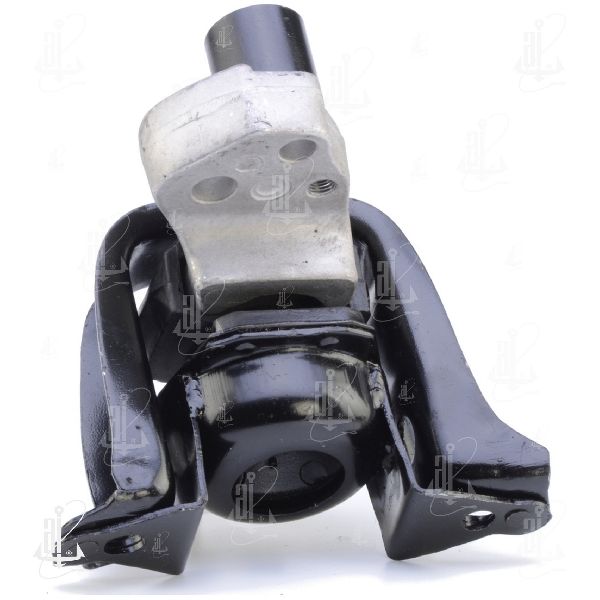
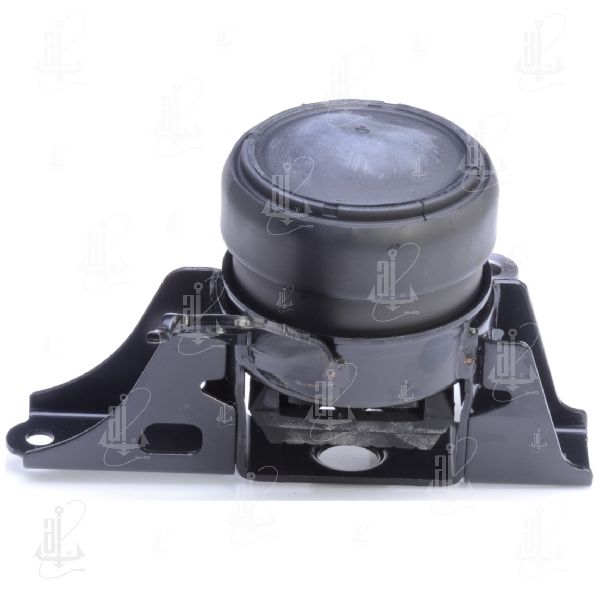
- The passenger-side hydraulic mount is the most common point of failure on the 2004-2013 Yaris.
- For a smooth, quiet ride like the original, OEM Toyota mounts are the best choice, though they are the most expensive.
- Budget aftermarket brands like Anchor, DEA, and Westar will secure the engine but often increase cabin vibration.
- It is strongly recommended to replace all three engine mounts at the same time to ensure longevity and proper performance.
Is Your Yaris Shaking or Making Noise? It Could Be the Engine Mounts.

If you've noticed a new vibration at idle, especially when the car is in gear at a stoplight, a bad engine mount is a likely culprit. These parts are made of rubber and metal (and sometimes filled with hydraulic fluid) that wear out over time from heat and stress. When they fail, the engine's vibration is no longer absorbed and is instead transferred into the car's frame, which you feel in the steering wheel and seats. You might also hear clunking or banging sounds when you accelerate or shift gears.
Common Symptoms of a Failing Yaris Engine Mount:
- Excessive Vibration: A strong vibration felt throughout the car, especially when idling in 'Drive'.
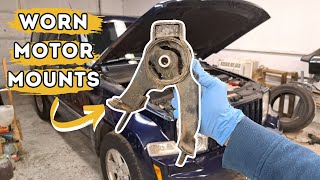
- Clunking Noises: Loud clunks or thuds when you accelerate, decelerate, or shift between Drive and Reverse. This is the sound of the engine moving and hitting other parts. 🎬 Watch: Learn how to identify and locate failing engine mounts.
- Rough Shifting: A noticeable jolt when the transmission shifts gears.
- Visible Engine Movement: If you watch the engine while a helper shifts the car from Drive to Reverse (with the brake on), you may see the engine lift or rock excessively. 🎬 See this guide on how to test your mounts for failure.
A Note on Vibration
Some owners report that even after replacing worn-out mounts with new aftermarket ones, the vibration gets worse. This is often because budget-friendly aftermarket mounts use harder rubber compounds that don't absorb vibrations as well as the original Toyota parts. Also, if you only replace one failed mount, the new, stiff mount can make the flaws of the other old mounts more obvious.
Choosing the Right Aftermarket Mounts: OEM vs. Aftermarket

When it comes to engine mounts for the Yaris, there is a noticeable difference in quality and performance between Original Equipment Manufacturer (OEM) and various aftermarket brands. Your choice depends on your budget and how sensitive you are to cabin vibration.
Brand Quality Tiers
- Tier 1 (Best Quality): Genuine Toyota (OEM)
Toyota's own parts are designed specifically for the Yaris and offer the best vibration damping. They cost more, but they provide the smoothest, quietest performance, just like when the car was new. If you want to avoid any chance of increased vibration, OEM is the safest bet. - Tier 2 (Good Quality): Beck Arnley
Beck Arnley is often considered a higher-quality aftermarket brand. They focus on matching the original part's form and function, and some users have had good, long-term success with them on their Yaris. They may be slightly stiffer than OEM at first but are a solid choice. - Tier 3 (Budget Quality): Anchor, DEA, Westar
These brands offer the most affordable options and are widely available. However, they are known for using harder rubber, which can lead to a noticeable increase in engine vibration felt inside the car. While they will secure your engine properly, they may not provide the comfortable ride you're used to. Many mechanics avoid these brands for customers sensitive to vibration.
Pro Tip: If you decide to use budget-friendly mounts and notice more vibration, give them a few weeks. Sometimes, the rubber will soften slightly after a break-in period.
Cost to Replace Toyota Yaris Engine Mounts
The cost can vary depending on how many mounts you replace and whether you do the work yourself.
| Part / Service | Estimated Cost |
|---|---|
| New Aftermarket Mount (Single) | $38 - $129 |
| New OEM Mount (Single) | $75 - $180 |
| Shop Labor | $183 - $269 |
| Total (Shop Job, Aftermarket Parts) | $221 - $656 (for 1-3 mounts) |
Frequently Asked Questions (FAQ)

Do I need to replace all engine mounts at the same time?
It is highly recommended. The mounts work together as a system. When one fails, the others have to take on extra stress, which makes them wear out faster. Replacing just one failed mount can cause the new part to fail prematurely because it's being overworked by the remaining old, weak mounts.
Is replacing Yaris engine mounts a DIY job?
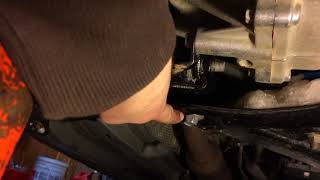
Yes, for someone with moderate mechanical skill. The process involves supporting the engine from below with a jack and a block of wood, then unbolting the old mounts and installing the new ones. Accessing some mounts may require removing the battery and air filter box. It typically takes about an hour per mount.
🎬 Watch this walkthrough for replacing the rear engine mount.Why do my new aftermarket mounts vibrate so much?
Lower-cost aftermarket mounts often use a harder rubber compound than the original Toyota parts. This makes them durable but less effective at absorbing engine vibrations, leading to a rougher feel in the cabin. This is a common trade-off for the lower price.
Are there any recalls for 2004-2013 Yaris engine mounts?
No, there are no specific recalls or Technical Service Bulletins (TSBs) from Toyota for engine mount failure on the 2004-2013 Yaris. This is considered a normal wear-and-tear item.
Helpful Videos
Technical Specifications
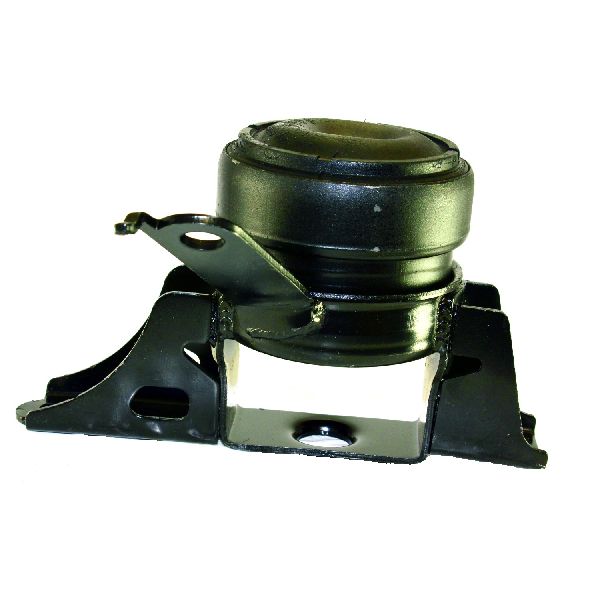
OEM Part Numbers: 12305-21220 (Right/Passenger Side Mount) 12372-21150 (Left/Driver Side Mount) 12363-21060 (Rear/Torque Strut Mount)
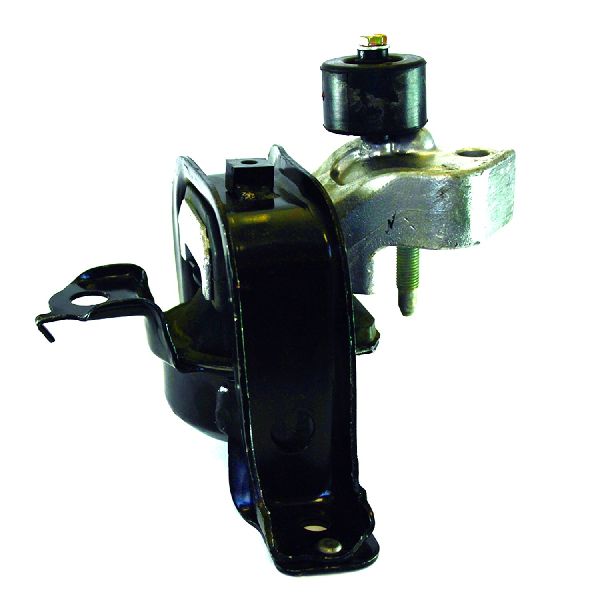
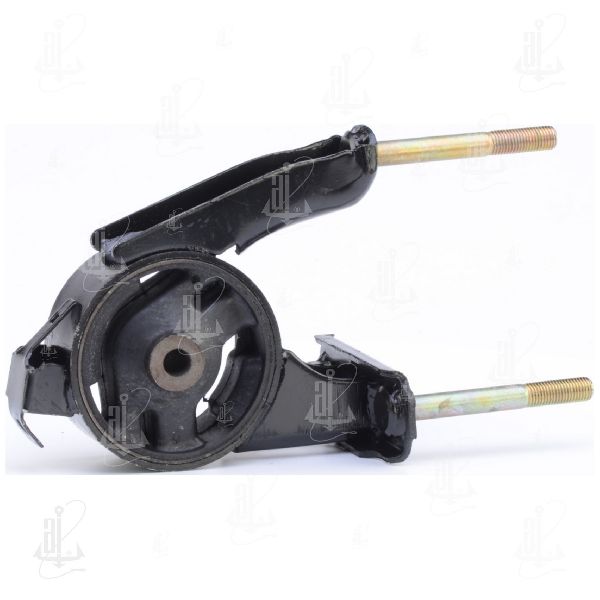
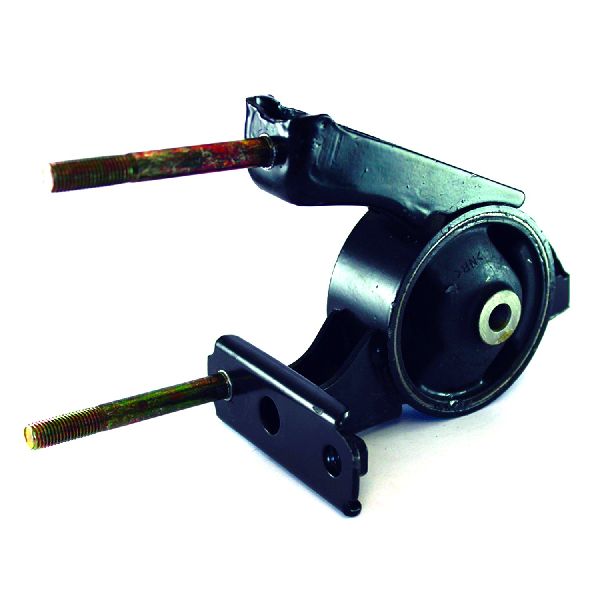
The 2004-2013 Toyota Yaris typically uses a three-point mounting system: a right-side hydraulic mount, a left-side transmission mount, and a rear torque strut mount (dog bone).
We Have This Part in Stock

The information in this article is provided for general reference and educational purposes only. Vehicle specifications, procedures, and part compatibility can vary by production date, trim level, and region. Always consult your vehicle's factory service manual and verify part numbers before purchasing or performing repairs. Safety-critical components such as airbags, seat belts, and braking systems should be installed by a qualified professional.
- Toyota Yaris:
- 🎬 Helpful Videos
- 🛍️ Shop This Part
- Is Your Yaris Shaking or Making Noise? It Could Be the Engine Mounts.
- Common Symptoms of a Failing Yaris Engine Mount:
- A Note on Vibration
- Choosing the Right Aftermarket Mounts: OEM vs. Aftermarket
- Brand Quality Tiers
- Cost to Replace Toyota Yaris Engine Mounts
- Frequently Asked Questions (FAQ)
- 🎟️ Get 5% Off