

Acura TSX (2004-2014) Disc Brake Pad Set: A Comprehensive Guide
Choosing the right brake pads for your TSX is crucial for safety and performance; here's what you need to know.
- Akebono is the OEM supplier for Acura; their ProAct pads offer a factory feel with low noise and dust.
- Check for seized calipers, a common TSX issue, especially in the rear, which can cause premature pad wear.
- Performance pads from brands like Hawk or EBC offer more stopping power but may create more dust and noise.
- For best results, replace rotors with your pads and always perform the bed-in procedure after installation.
Symptoms of Failing Brake Pads on Your TSX
Your Acura will give you clear signs when the brake pads are nearing the end of their life. Ignoring these can lead to more expensive repairs. The most common warning sign is a high-pitched squealing or screeching sound when you apply the brakes. This is caused by a small metal tab called a wear indicator making contact with the brake rotor. If you hear a grinding noise, it's a more serious sign that the pads are completely worn away, and metal is grinding against metal, which can quickly damage your rotors. Other symptoms include your car pulling to one side when braking, vibrations in the steering wheel or brake pedal, or a brake pedal that feels soft or requires more pressure than usual to stop the car.
Choosing the Right Aftermarket Brake Pads
The 2004-2014 Acura TSX was sold as a premium sport sedan, and your choice of brake pads should match your driving style. Aftermarket pads offer a wider range of options than the dealer, often with better performance and at a lower cost. Here’s a breakdown of popular choices among TSX owners, grouped by performance tier.
Tier 1: OEM-Style Replacement
This tier is for the daily driver who wants a quiet, clean, and reliable stop that feels just like the car did when it was new. These pads are typically ceramic, which is known for low dust and noise.
- Akebono ProAct Ultra-Premium: Akebono is the original equipment manufacturer (OEM) for Acura, meaning they made the pads that came on your TSX from the factory. Owners widely recommend these as the best option for an OEM-level replacement. They are known for being extremely quiet, producing very little dust, and being gentle on rotors, all while being less expensive than dealer parts.
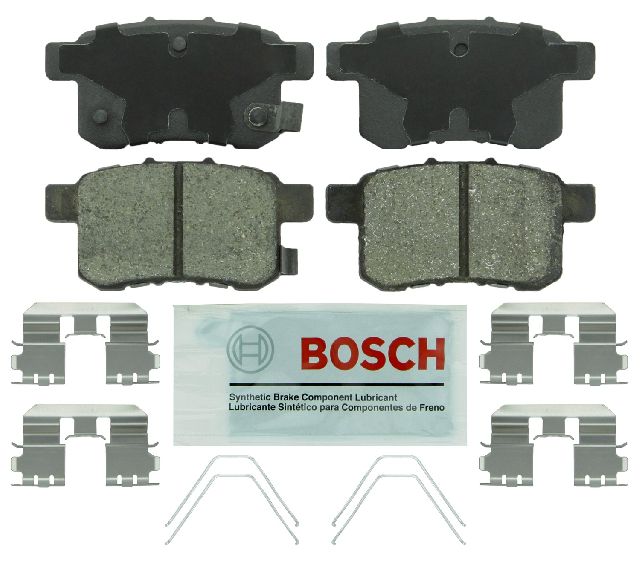
- Bosch QuietCast: A strong competitor to Akebono, Bosch pads are another excellent choice for daily driving. They focus on quiet operation and low dust, and often come with hardware and lubricant included.
Tier 2: Daily Driver Performance Upgrade
If you want a noticeable improvement in stopping power for spirited daily driving without the harshness of a full race pad, this tier is the sweet spot. These pads offer a better initial "bite" and resist brake fade better than stock.
- Hawk Performance Ceramic: A very popular upgrade for TSX owners. These pads offer increased stopping power and reduced brake dust compared to stock, making them a great all-around performance choice for a daily-driven car.
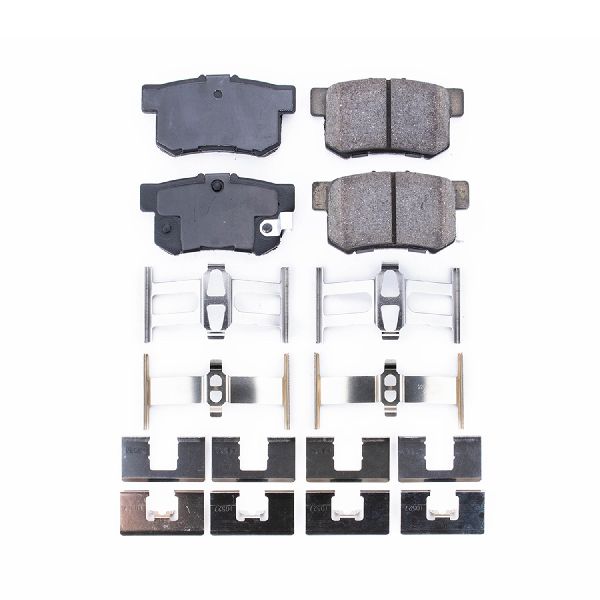
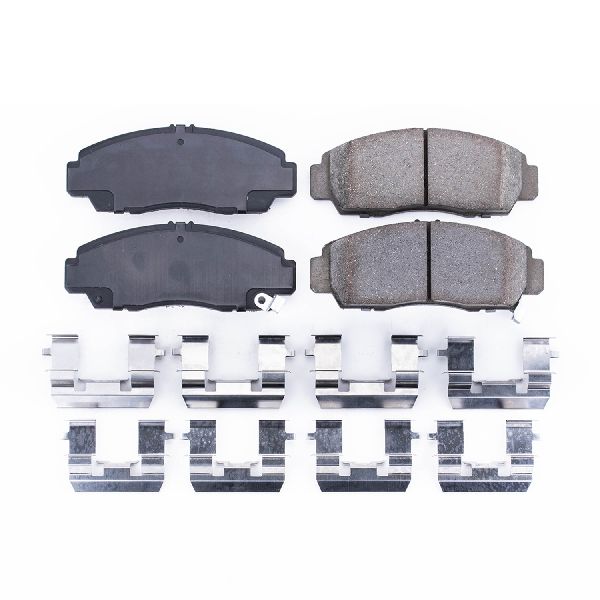
- PowerStop Z23 Evolution Sport: Often sold as part of a kit with drilled and slotted rotors, PowerStop pads are a carbon-fiber ceramic blend designed for improved braking with low dust. They are a popular and affordable bolt-on upgrade.
- StopTech Sport: Formerly known as StopTech Street Performance, these are well-regarded for their strong bite and fade resistance, making them suitable for spirited driving.
Tier 3: High Performance / Enthusiast
For the TSX owner who participates in autocross or enjoys aggressive canyon driving. These pads provide the highest levels of stopping power and heat resistance but come with trade-offs: they typically create more noise and dust and can wear rotors more quickly.
- Hawk HPS (High Performance Street): A step up from the Performance Ceramic, the HPS compound offers even greater stopping power and is a long-time favorite in the import community. The trade-off is more dust than their ceramic counterpart.
- EBC Brakes (Redstuff/Yellowstuff): EBC offers a range of compounds. Redstuff is a popular ceramic performance pad with a strong bite, while Yellowstuff is a more aggressive compound suitable for street and occasional track use.
- Brembo: Known for high-end brake systems, Brembo also offers performance-oriented aftermarket pads that provide a sporty pedal feel and consistent performance under high heat.
Vehicle-Specific Issue: Seized Brake Calipers
A commonly reported issue on the 2004-2014 TSX is a seized or sticking brake caliper, particularly in the rear. This can cause the brake pads to wear out extremely quickly and unevenly, and may lead to a grinding noise. When replacing your rear pads, if the caliper piston cannot be easily compressed, the caliper itself may need to be replaced. Note that the rear caliper piston on these cars must be twisted back into the caliper with a special tool; it cannot simply be pushed back like the front pistons.
Pro Tip: Bedding-In and Rotor Health
For the best performance and lifespan, always replace brake hardware (clips and shims) with your new pads. It is also highly recommended to replace or resurface your brake rotors at the same time. Installing new pads on old, worn rotors can cause noise and vibration. After installation, you must "bed-in" your new pads by performing a series of moderate stops to transfer a film of friction material onto the rotor. This process ensures smooth, quiet, and powerful braking for the life of the pads.
Cost of New Aftermarket Brake Pads for Acura TSX (2004-2014)
| Pad Type | Part Cost (Per Axle) | Shop Labor Cost (Per Axle) |
|---|---|---|
| Aftermarket (Tier 1) | $30 - $70 | $100 - $175 |
| Aftermarket (Tier 2) | $50 - $120 | $100 - $175 |
| Aftermarket (Tier 3) | $80 - $200+ | $100 - $175 |
| OEM from Dealer | $80 - $150 | $150 - $250 |
Frequently Asked Questions
Do I have to replace my rotors when I replace my pads?
It is highly recommended. While you can sometimes get away with just a pad slap, installing new pads on worn or warped rotors can cause noise, vibration, and reduced performance. For best results, always install new pads and rotors together. Many owners on forums suggest this is the best practice.
What is the difference between ceramic and semi-metallic pads?
Ceramic pads (like Akebono or Bosch QuietCast) are known for being very quiet and producing little, light-colored dust. They offer great performance for daily driving. Semi-metallic pads can offer better performance in extreme cold or for heavy-duty use and are often cheaper, but they are typically noisier, dustier, and harder on brake rotors.
Are there any recalls on the 2004-2014 TSX for brake pads?
No. Searches of the National Highway Traffic Safety Administration (NHTSA) database did not find any recalls specifically for the disc brake pads on the 2004-2014 Acura TSX. Recalls found for other Acura models do not apply to this vehicle and part.
Can I replace the brake pads on my TSX myself?
Yes, this is a DIY-feasible job for someone with moderate mechanical experience. However, you will need a specific tool to retract the rear caliper piston—it must be twisted and compressed simultaneously. You may also need a hand impact driver to remove the rotor retaining screws, which are often seized. If you are not comfortable with these steps, it is best to have a professional mechanic do the job.
Technical Specifications
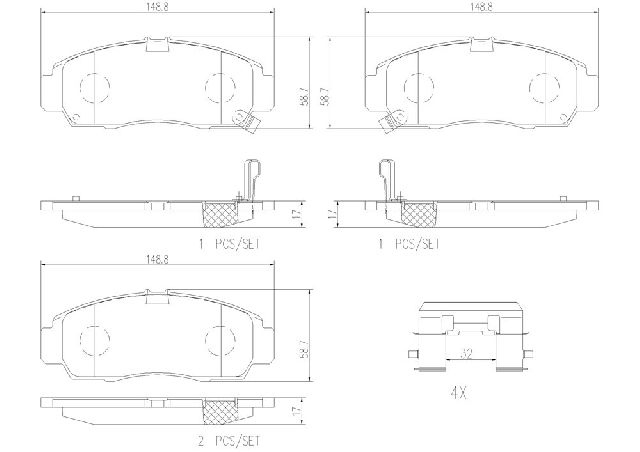
OEM Part Numbers: 45022-TE0-A60 45022-SEA-J11 43022-TA0-A80 43022-TA0-A00
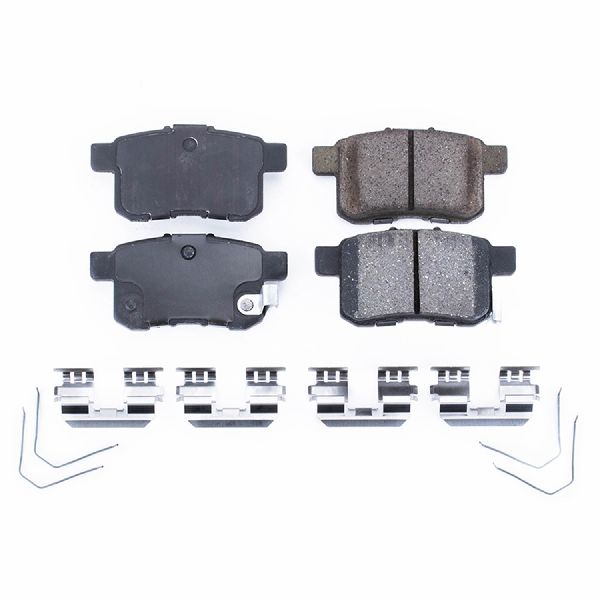
The 2004-2014 Acura TSX uses a single-piston sliding caliper for both front and rear brakes. The front pads are a standard design, while the rear pads work with a caliper that has an integrated parking brake mechanism, requiring the piston to be twisted to retract.
We Have This Part in Stock

The information in this article is provided for general reference and educational purposes only. Vehicle specifications, procedures, and part compatibility can vary by production date, trim level, and region. Always consult your vehicle's factory service manual and verify part numbers before purchasing or performing repairs. Safety-critical components such as airbags, seat belts, and braking systems should be installed by a qualified professional.
- Acura TSX:
- 🛍️ Shop This Part
- Symptoms of Failing Brake Pads on Your TSX
- Choosing the Right Aftermarket Brake Pads
- Tier 1: OEM-Style Replacement
- Tier 2: Daily Driver Performance Upgrade
- Tier 3: High Performance / Enthusiast
- Vehicle-Specific Issue: Seized Brake Calipers
- Pro Tip: Bedding-In and Rotor Health
- Cost of New Aftermarket Brake Pads for Acura TSX (2004-2014)
- Frequently Asked Questions
- 🎟️ Get 5% Off