

Acura TSX Engine Mount Guide (2004-2014): Stop Vibrations and Restore Smoothness
If your TSX is shaking, vibrating, or making clunking noises, your engine mounts are the likely cause.
- Excessive vibration at idle is the number one symptom of a failed engine mount on a TSX.
- For hydraulic mounts (front, rear, side), OEM parts are strongly recommended to avoid persistent vibration issues.
- Aftermarket mounts from brands like Anchor, DEA, and Westar are budget-friendly but often cause vibration and may not last long.
- Replacing all three main engine mounts at once is the best practice for a lasting repair.
Is Your Acura TSX Vibrating? Check Your Engine Mounts.

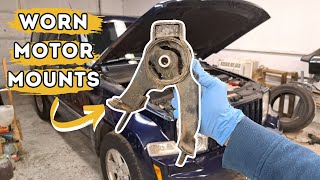
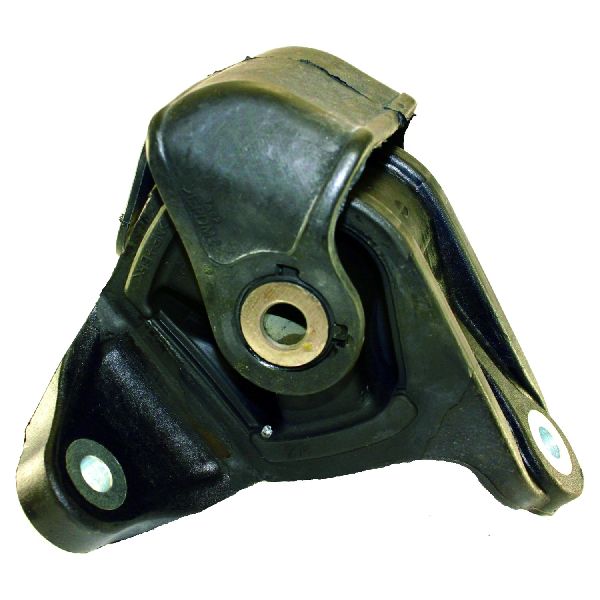
A common complaint from 2004-2014 Acura TSX owners is a noticeable vibration, especially at idle, when the car is in gear, or when the air conditioning is running. This is a classic sign of a failed engine mount. These mounts are made of rubber and, in some cases, filled with hydraulic fluid, which breaks down over time from heat and stress. The passenger-side mount is often the first to fail on these cars.
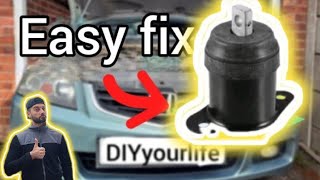
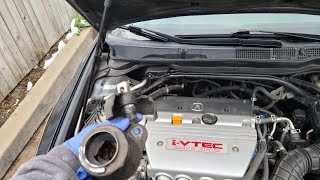
🎬 See this walkthrough for replacing the passenger-side engine mountSymptoms of a Bad Engine Mount on a TSX

- Excessive Vibration: You may feel a strong vibration through the steering wheel, seats, and dashboard, particularly when stopped at a light.
- Clunking or Knocking Noises: Loud clunks or bangs from the engine bay during acceleration, deceleration, or shifting can indicate the engine is moving too much.
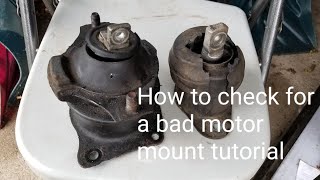
- Visible Engine Movement: If you have a helper rev the engine while the car is in park, you might see the engine physically lurch or rock more than an inch or two. 🎬 Watch: How to locate and diagnose a bad engine mount
- Jerky Ride: The car may feel less smooth when shifting, as the engine and transmission movement is not properly controlled.
OEM vs. Aftermarket: A Critical Choice for the TSX
For most parts, aftermarket options offer great value. However, for the hydraulic engine mounts on the 2004-2014 TSX (specifically the passenger side, front, and rear), using Original Equipment Manufacturer (OEM) parts is strongly recommended by experienced owners and mechanics. Many TSX owners report that even high-quality aftermarket mounts from brands like Beck Arnley cause significant idle vibration that wasn't present with the old, failed OEM mounts. The complex fluid-filled and sometimes vacuum-actuated design of the originals is difficult for aftermarket brands to replicate perfectly. While the upfront cost is higher, OEM mounts are the best way to restore your Acura's original smooth ride. For solid rubber transmission mounts, aftermarket options are generally considered a reasonable choice.
Choosing the Right Aftermarket Brand

If you decide to use aftermarket mounts, understanding the brand hierarchy is important. Be aware that for the main hydraulic mounts, even premium aftermarket options may introduce some level of vibration.
- Premium Aftermarket (Use with Caution): Beck Arnley is often seen as a top-tier aftermarket brand that sometimes re-packages OEM parts. However, for TSX hydraulic mounts, results are mixed, with some owners still reporting vibration issues.
- Standard/Economy Grade: Brands like Anchor, DEA, and Westar are widely available and affordable. However, they are generally not recommended for the primary hydraulic mounts on the TSX due to a reputation for poor vibration damping and a shorter service life. Many owners who try these end up replacing them again.
- Other Brands: MTC, Pioneer, and Skyward are also available but have less feedback within the TSX community.
| Item | Estimated Cost |
|---|---|
| Single Aftermarket Mount | $26 - $137 |
| Single OEM Hydraulic Mount | $150 - $250+ |
| Shop Labor (per mount) | $100 - $250 |
| Total for Full Set (3 Engine Mounts, Aftermarket Parts, DIY) | $150 - $400 |
| Total for Full Set (3 Engine Mounts, OEM Parts, DIY) | $500 - $750 |
| Total for Full Set (Shop Installed, OEM Parts) | $800 - $1,700+ |
Pro Tip: If one mount has failed, the others are likely worn as well. The extra movement from a single broken mount puts additional stress on the remaining ones. It is often most effective to replace the three main engine mounts (passenger side, front, rear) as a set.
Frequently Asked Questions

How many engine mounts does a 2004-2014 Acura TSX have?
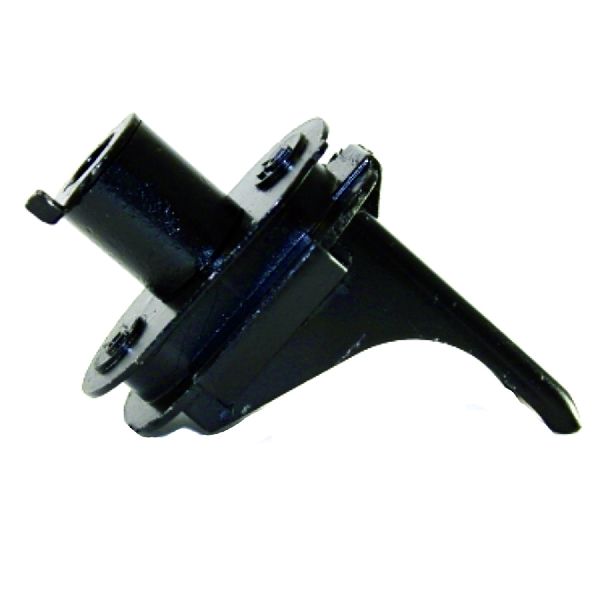
The 2.4L TSX has a total of five or six mounts. There are three main "engine mounts" (passenger side, front, and rear) that bear the most load and are responsible for most vibration damping. There are also two or three smaller "transmission mounts" that secure the transmission.
Can I replace just one broken engine mount?
Yes, but it's not always the best strategy. When one mount fails, the others have likely been subjected to extra stress and may be near the end of their life. Replacing them as a set ensures longevity and is often more cost-effective in the long run, especially if you are paying for labor.
Is replacing TSX engine mounts a DIY job?
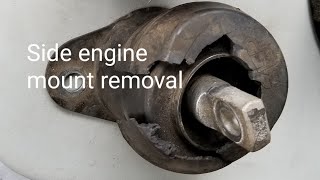
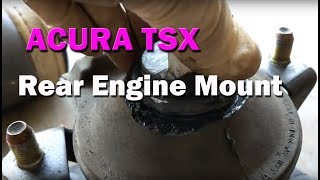
For an experienced DIY mechanic, yes. The job requires safely supporting the engine from below with a jack and a block of wood. Access to some bolts, especially on the rear mount, can be difficult and may require extensions and swivel sockets. 🎬 Watch: Step-by-step guide for replacing the difficult rear engine mount A crucial step is to leave the new mount bolts loose, cycle the transmission from drive to reverse to let the engine settle, and then torque all bolts to specification to avoid pre-loading the mounts and causing vibration.
Are there any recalls for Acura TSX engine mounts?
No. There are no official recalls or technical service bulletins (TSBs) from Acura for engine mount failure on the 2004-2014 TSX. This is considered a normal wear-and-tear item by the manufacturer.
Helpful Videos
Technical Specifications
OEM Part Numbers: 50820-SDA-A01 50820-SEA-E01 50830-SEA-E14 50830-SDA-A02 50870-SEA-E01
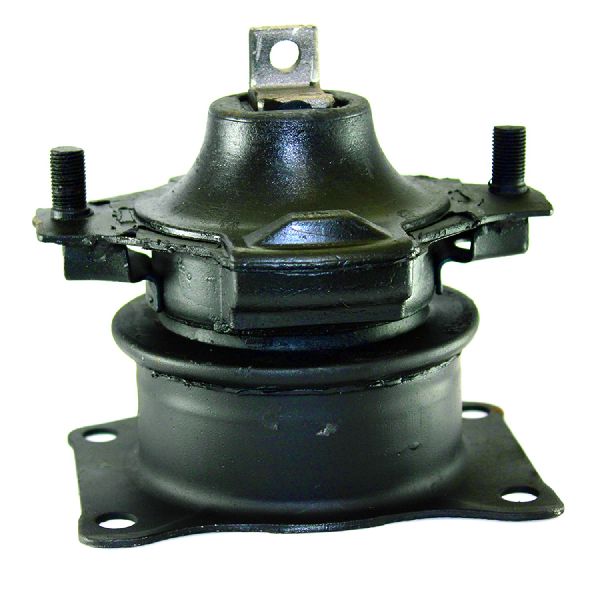
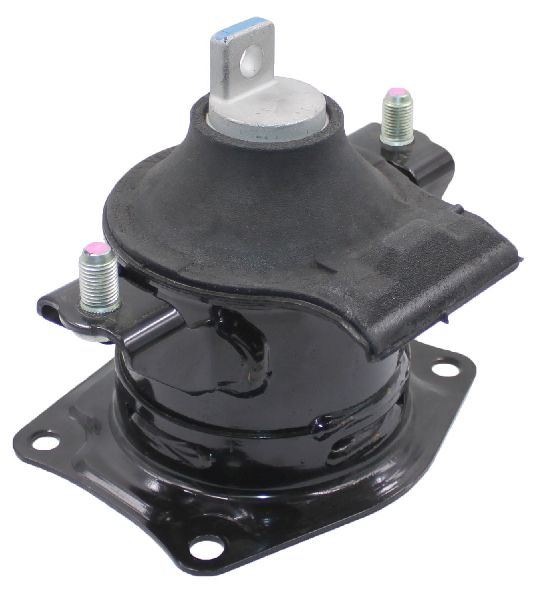
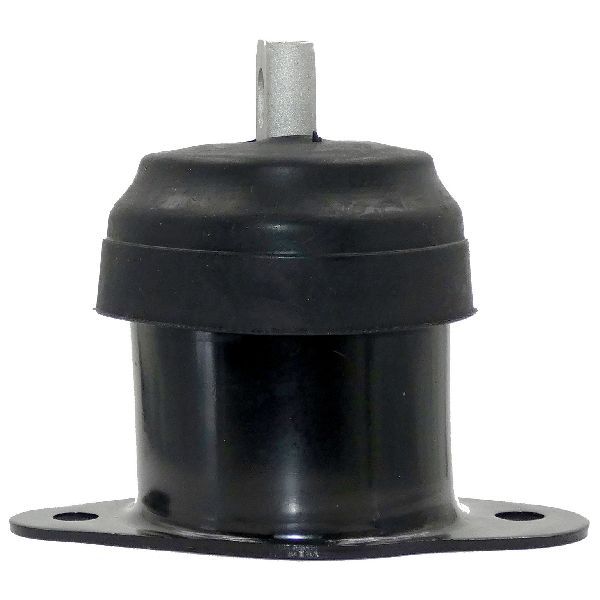
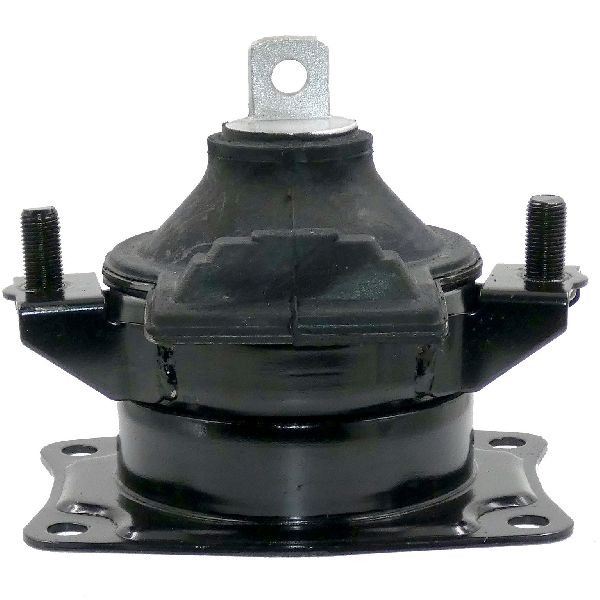
The 2004-2008 (CL9) and 2009-2014 (CU2) generations use different mount designs. The system consists of three main engine mounts and several transmission mounts. The front and passenger-side mounts are typically hydraulic and fluid-filled for improved vibration damping.
We Have This Part in Stock

The information in this article is provided for general reference and educational purposes only. Vehicle specifications, procedures, and part compatibility can vary by production date, trim level, and region. Always consult your vehicle's factory service manual and verify part numbers before purchasing or performing repairs. Safety-critical components such as airbags, seat belts, and braking systems should be installed by a qualified professional.
- Acura TSX: