

A Guide to Spark Plugs for the 2004-2014 Kia Sportage
Keep your Sportage engine running smoothly by choosing the right spark plugs for the job.
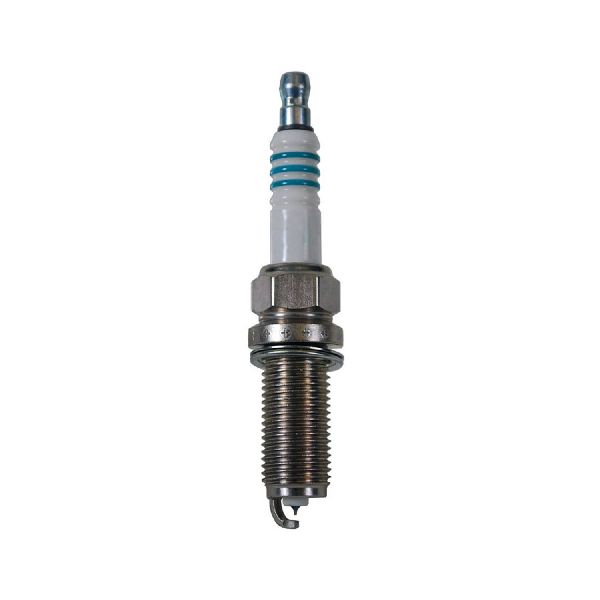
- For best results, choose NGK or Denso spark plugs, as they are the original equipment manufacturer for Kia.
- The recommended replacement interval is typically every 60,000 miles, but check your owner's manual.
- If you have the 2.7L V6 engine (2005-2010), be prepared for a difficult replacement of the rear plugs that requires removing the intake manifold.
- Always check for open safety recalls on the NHTSA website, as this Sportage generation has several fire-risk warnings.
Signs of Failing Spark Plugs in Your Sportage

Worn-out spark plugs can cause noticeable problems with your engine. Because they are a routine maintenance item, you will eventually need to replace them. If you experience any of these symptoms, your spark plugs are a likely culprit.
- Rough Idling: Your engine may shake or vibrate when the vehicle is stopped.
- Engine Misfires: You might feel a hesitation or stumbling during acceleration. This can trigger the Check Engine Light, often with codes from P0300 to P0306.
- Reduced Fuel Economy: When plugs don't fire efficiently, your engine burns more fuel to do the same amount of work.
- Difficulty Starting: Worn plugs can make it harder for the engine to turn over, especially in cold weather.
- Poor Acceleration: Your Sportage may feel sluggish or slow to respond when you press the gas pedal.
Generation Differences & Known Issues

The 2004-2014 Kia Sportage covers two different generations with different engines, which affects spark plug replacement.
- 2nd Generation (2005-2010): This generation offered a 2.0L 4-cylinder and a 2.7L V6 engine. The 4-cylinder is straightforward. However, the V6 is known for a more difficult spark plug replacement.
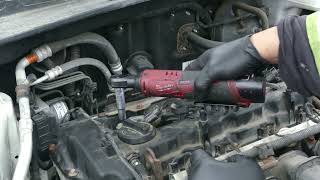
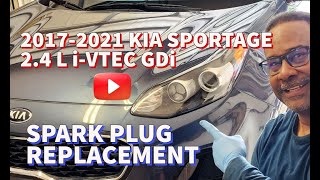
- 3rd Generation (2011-2014): These model years came with 2.0L and 2.4L 4-cylinder engines, including a 2.0L Turbo (T-GDI) option. Spark plug replacement on these engines is generally less complex than the V6. 🎬 See this step-by-step spark plug replacement for 4-cylinder engines
V6 Engine Spark Plug Replacement
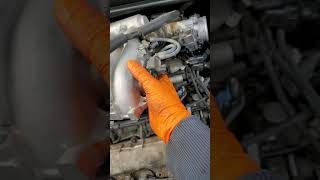
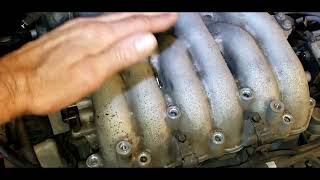
If you have the 2.7L V6 engine, be aware that replacing the three rear spark plugs is a complex job. It requires removing the upper intake manifold to gain access. This adds 🎬 Watch: Why the V6 rear spark plug job is so difficult significant time and difficulty to the task and is often best left to a professional unless you are an experienced DIY mechanic. A video of a high-mileage V6 showed the rear plugs were significantly more worn than the front ones, highlighting the importance of changing all six at once.
Important Vehicle Safety Bulletins (Not Spark Plug Related)
While there are no recalls for the spark plugs themselves, several fire-risk recalls exist for this generation of Sportage that owners should be aware of. These are related to other electrical components.
- 2010-2013 Sportage: A recall (NHTSA ID: 23V-652000) was issued for a potential electrical short in the anti-lock brake system (ABS) module that could cause a fire while parked or driving.
- 2008-2009 Sportage: A recall (NHTSA ID: SC253) warns of a fire risk from the Hydraulic Electronic Control Unit (HECU), even when the vehicle is off.
- 2011-2013 Sportage (2.0L T-GDI): A Technical Service Bulletin (TSB SC147) addresses potential engine bearing failure due to metal debris from the manufacturing process. This can lead to engine stall and potential failure.
You can check if your specific vehicle is affected by entering your VIN on the NHTSA website.
Choosing the Right Aftermarket Spark Plug

When shopping for new spark plugs, you'll see different types and materials. For a daily-driven Sportage, matching the original equipment (OEM) material is a safe bet, but you can also choose based on longevity and budget.
| Plug Material | Typical Lifespan | Best For |
|---|---|---|
| Copper | 30,000-40,000 Miles | Lowest cost and basic performance. Good for older models but requires frequent changes. |
| Platinum / Double Platinum | 60,000-100,000 Miles | A great balance of longevity and performance. Platinum resists wear better than copper. Double platinum is ideal for engines where both electrodes fire. |
| Iridium | 100,000+ Miles | The longest-lasting and most durable option. Iridium plugs provide a consistent, strong spark for maximum efficiency and performance. |
Aftermarket Brand Tiers for Your Sportage

Not all brands are created equal. For Asian vehicles like your Kia, sticking close to the original equipment manufacturer is often the best path to avoiding issues.
- Tier 1 (OEM Equivalent): NGK & Denso
NGK and Denso are the original equipment suppliers for most Kia vehicles. Choosing one of these brands is the closest you can get to buying the original part from the dealer. They are highly recommended by mechanics for their reliability and perfect fit in Japanese and Korean cars. - Tier 2 (Quality Aftermarket): Bosch
Bosch is a well-respected German brand that makes high-quality spark plugs. While often the OEM choice for European cars, their plugs are a reliable alternative for your Sportage if NGK or Denso are not available. - Tier 3 (Standard/Budget): Autolite & Champion
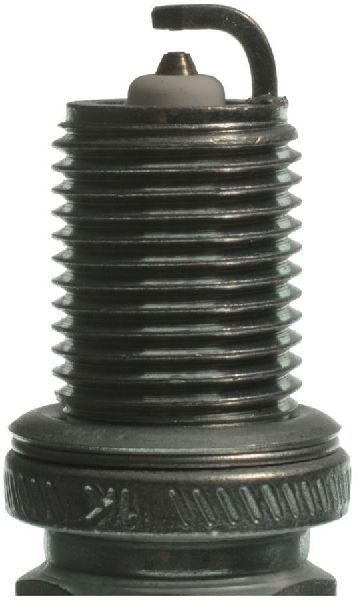
These American brands offer a more budget-friendly option. They are functional and will get the job done, but some mechanics report less consistent quality and shorter lifespans compared to NGK or Denso. They can be a good choice if you're on a tight budget and don't mind a shorter replacement interval. - Tier 4 (Economy): Skyward
Skyward appears to be a private label or economy brand. With little public information on quality or performance, these should be considered a basic, low-cost option for those prioritizing price above all else.
Frequently Asked Questions
How often should I change the spark plugs on my 2004-2014 Kia Sportage?
A good rule of thumb is to replace them every 60,000 miles. If you install long-life iridium plugs, you may be able to go up to 100,000 miles, but always check your owner's manual for the specific interval for your engine.
Should I replace the ignition coils at the same time as the spark plugs?
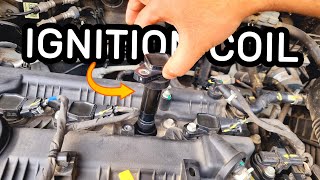
It is not required, but it is a good preventative measure. The ignition coils sit on top of the spark plugs and must be removed to access them. If your Sportage has high mileage or you are already experiencing misfires, replacing the coils and plugs together can save you from doing the same job twice.
🎬 Watch: How to replace ignition coils on your SportageDo I need to gap the new spark plugs?
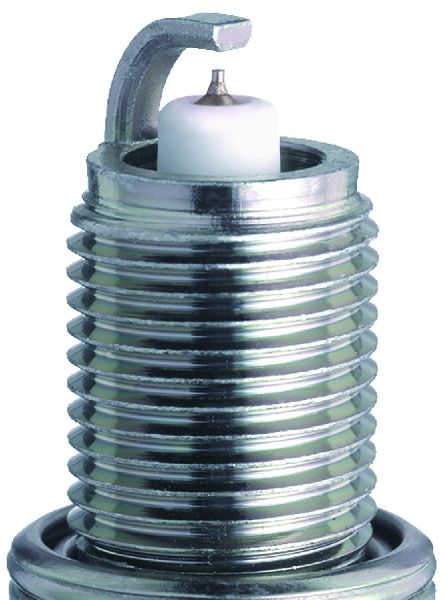
Most modern platinum and iridium spark plugs come pre-gapped from the factory. However, it is always a pro-tip to double-check the gap with a feeler gauge before installation to ensure they weren't damaged in shipping. The correct gap specification is critical for engine performance.
Is it better to use OEM or aftermarket spark plugs?
For the Kia Sportage, aftermarket brands like NGK and Denso are the OEM suppliers, so you get OEM quality at an aftermarket price. These are a better choice than cheaper, lower-quality aftermarket options that may not last as long or perform as well.
Helpful Videos
Technical Specifications
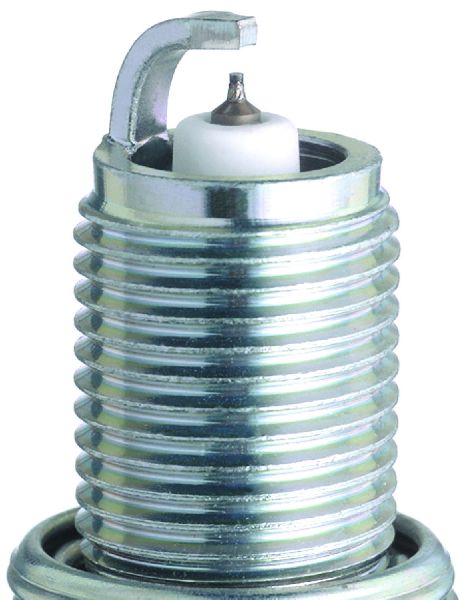
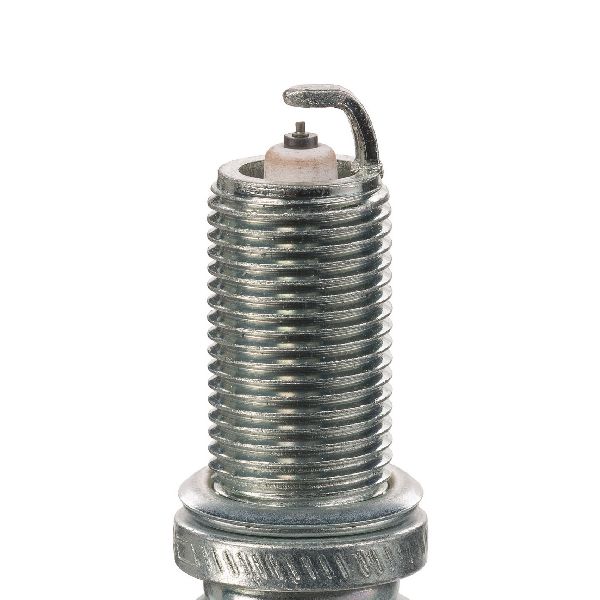
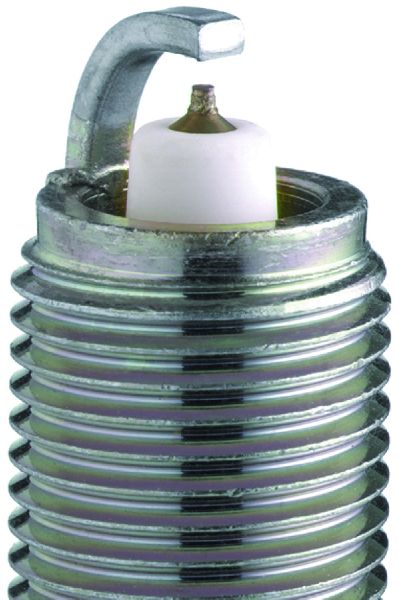
The 2004-2014 Kia Sportage was equipped with several engines, including a 2.0L I4, 2.4L I4, and a 2.7L V6. The original spark plugs are typically Iridium or Platinum type. When replacing, it is best to use the same material or upgrade to Iridium for the longest life. Always verify the specific part number for your vehicle's engine.
We Have This Part in Stock

The information in this article is provided for general reference and educational purposes only. Vehicle specifications, procedures, and part compatibility can vary by production date, trim level, and region. Always consult your vehicle's factory service manual and verify part numbers before purchasing or performing repairs. Safety-critical components such as airbags, seat belts, and braking systems should be installed by a qualified professional.
- Kia Sportage:
- 🎬 Helpful Videos
- 🛍️ Shop This Part
- Signs of Failing Spark Plugs in Your Sportage
- Generation Differences & Known Issues
- V6 Engine Spark Plug Replacement
- Important Vehicle Safety Bulletins (Not Spark Plug Related)
- Choosing the Right Aftermarket Spark Plug
- Aftermarket Brand Tiers for Your Sportage
- Frequently Asked Questions
- 🎟️ Get 5% Off