

Choosing the Right Aftermarket Brake Pads for Your 2004-2014 Mazda 3
Stop guessing which brake pads are right for your Mazda 3 and learn what to look for.
- Symptoms like squealing, grinding, or a soft pedal mean it's time to check your brake pads.
- High-quality aftermarket brands like Akebono, Bosch, Powerstop, and StopTech offer excellent value and performance for daily driving.
- Always replace rotors with pads for best performance and to avoid vibration issues common to this model.
- Pay special attention to cleaning and lubricating rear caliper slide pins to prevent premature pad wear, a known issue on these cars.
Is it Time for New Brake Pads?
Your Mazda 3 will give you clear signs when the brake pads are getting low. Ignoring these can lead to more expensive repairs, like needing to replace the brake rotors too. Watch out for these common symptoms.
OEM vs. Aftermarket Brake Pads
When replacing brake pads, you can choose between Original Equipment Manufacturer (OEM) parts from Mazda or aftermarket parts from other brands. OEM pads are designed specifically for your car and guarantee a perfect fit and performance, but they often come at a higher price. High-quality aftermarket pads can offer similar or even better performance, often for less money. Many owners find that reputable aftermarket brands provide a great balance of quality and value. For daily driving, a good set of aftermarket ceramic or semi-metallic pads is usually a smart choice.
A Note on Recalls and Known Issues
While there are no specific recalls for brake pads on the 2004-2014 Mazda 3, there was a recall for the 2014 model year related to the parking brake. Water could enter the rear brake caliper, causing the parking brake actuator shaft to corrode and potentially fail. This could cause the rear brakes to drag or the parking brake to not hold. Additionally, Mazda has issued Technical Service Bulletins (TSBs) for brake noise, judder (vibration), and dragging, particularly in areas where road salt is used. This can cause the outer rear brake pads to wear out much faster than the inner pads. When replacing pads, it's crucial to clean and lubricate the caliper slide pins and hardware to prevent sticking.
Choosing the Right Aftermarket Brake Pads
With so many brands available, picking the right one can be confusing. They generally fall into a few tiers based on quality, performance, and price.
Tier 1: Premium & Performance Brands ($70 - $245)
These brands are for owners who want performance equal to or better than stock. They offer excellent stopping power, low dust, and quiet operation. They are a great choice for spirited driving or for those who simply want the best.
- Akebono: Often an OEM supplier for Mazda, Akebono pads are known for their quality, quiet operation, and low dust.
- EBC Brakes: A popular choice for a performance upgrade, offering different compounds like the quiet and low-dust Ultimax2 or the higher-performance Yellowstuff pads.
- Hawk Performance: Known for high-performance street pads that can improve stopping power, though some compounds can be noisy in cold weather.
- Powerstop: Often recommended in kits with rotors (like the Z23), these are a popular all-in-one upgrade for daily drivers looking for better-than-stock performance.
- StopTech: Praised for providing a more linear and firm pedal feel with improved stopping power.
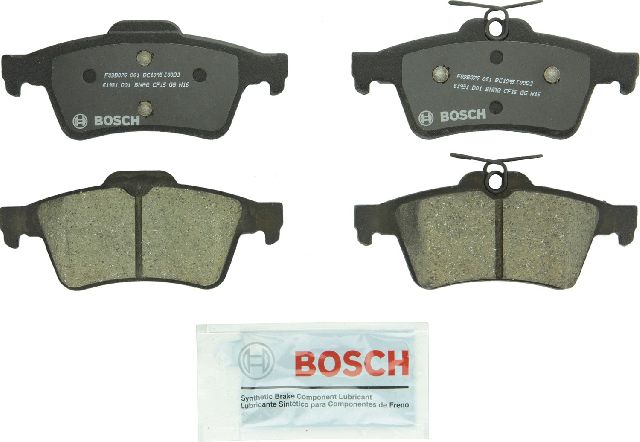
- Bosch: The QuietCast line is a well-regarded premium option that provides performance similar to OEM.
Tier 2: Quality Daily Driver Brands ($40 - $90)
These brands offer a fantastic balance of performance and price. They are a reliable choice for most Mazda 3 owners' daily needs.
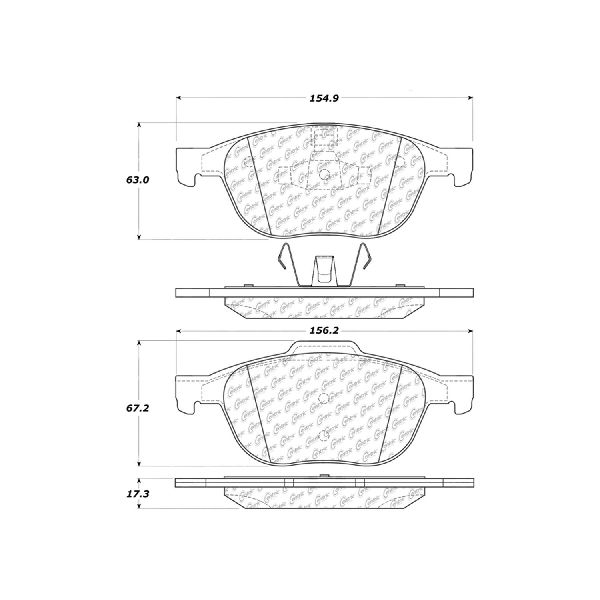
- Centric: Their premium line is a popular choice on forums, considered a reliable OEM-equivalent.
- Raybestos: The Element3 line is considered a high-quality option.
- Wagner: Wagner OEx and ThermoQuiet pads are solid, widely available choices for daily use.
- Bendix: Considered a good, cost-effective replacement part by many users.
Tier 3: Economy Brands ($26 - $50)
While very affordable, these pads are best for those on a tight budget. They will stop the car, but may not last as long, can be noisier, and may produce more brake dust than higher-tier options. Brands include Pronto and Dynamic Friction.
Pro Tip: Don't Forget the Hardware!
When you replace your brake pads, it's also the perfect time to replace the rotors, or at least have them inspected. Always clean and lubricate the caliper slide pins and replace the anti-rattle clips. This ensures the new pads wear evenly and prevents noise and sticking, which can be an issue on these cars.
Estimated Cost for Disc Brake Pad Set Replacement (2004-2014 Mazda 3)
| Part Type | Part Cost | Labor Cost | Total Cost |
|---|---|---|---|
| Aftermarket Brake Pads (Front or Rear) | $26 - $245 | $100 - $200 | $126 - $445 |
| Aftermarket Pads & Rotors (Front or Rear) | $80 - $450 | $125 - $225 | $205 - $675 |
Frequently Asked Questions
Do I need ceramic or semi-metallic pads?
Ceramic pads are generally quieter, produce less dust, and are gentle on rotors. Semi-metallic pads can offer better performance in very cold conditions and may have a stronger initial "bite," but can be dustier and noisier. For most daily driving situations in North America, ceramic pads are an excellent choice.
Should I replace my rotors with my pads?
It is highly recommended. New pads perform best on a fresh, flat rotor surface. Installing new pads on old, worn, or warped rotors can cause noise, vibration, and reduced pad life. Given the potential for brake judder on these models, starting with new pads and rotors is the best practice.
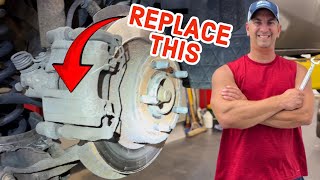
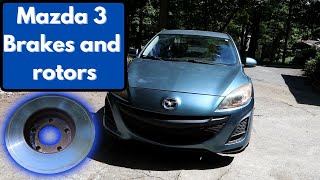
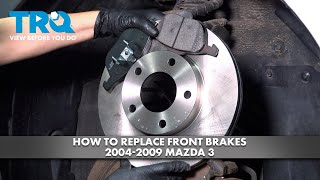
🎬 Watch this step-by-step guide on replacing front pads and rotors.Why are my rear brakes wearing out faster than my front brakes?
On some 2004-2014 Mazda 3s, especially in regions using road salt, the rear outer brake pads can wear prematurely. This is often due to corrosion causing the pad or caliper slide pins to stick. During replacement, it's critical to thoroughly clean the caliper bracket and lubricate the slide pins to prevent this.
🎬 See how to replace rear brake pads and rotors yourself.Can I replace just the brake pads myself?
Yes, replacing brake pads is a common DIY job for those with some mechanical experience and the right tools. You will need a jack and jack stands, a lug wrench, a socket set (including a 7mm hex for the caliper pins), a caliper compression tool, and brake lubricant. If you are not comfortable, it is a routine job for any professional mechanic.
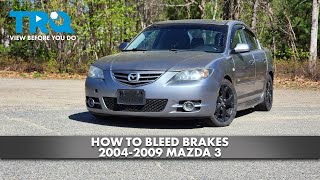
🎬 Learn how to properly bleed your brakes after the installation.Helpful Videos
Technical Specifications
The 2004-2014 Mazda 3 uses single-piston sliding calipers. The front caliper guide pins require a 7mm hex socket for removal. The rear calipers on some models may require a special tool to retract the piston. Always use DOT 3 or DOT 4 brake fluid as specified on the reservoir cap.
We Have This Part in Stock
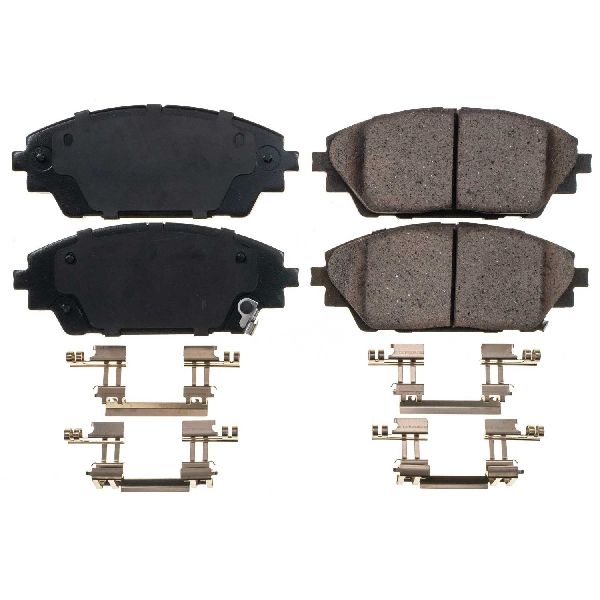
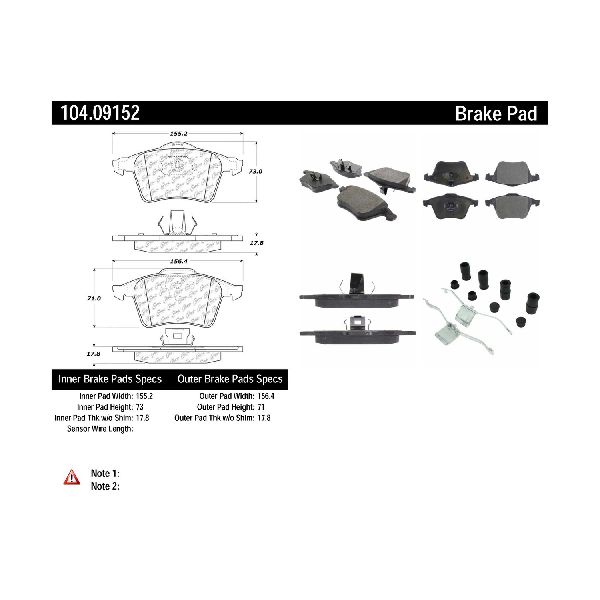
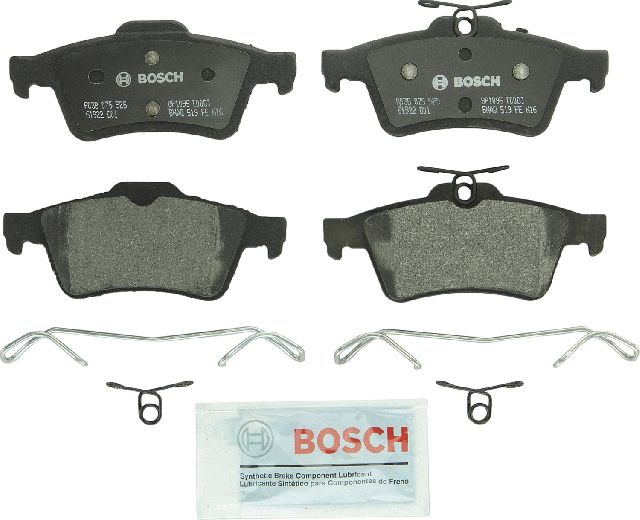
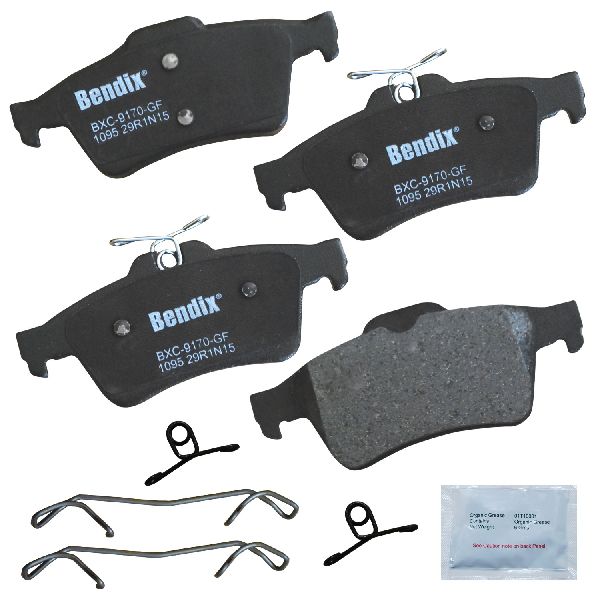

The information in this article is provided for general reference and educational purposes only. Vehicle specifications, procedures, and part compatibility can vary by production date, trim level, and region. Always consult your vehicle's factory service manual and verify part numbers before purchasing or performing repairs. Safety-critical components such as airbags, seat belts, and braking systems should be installed by a qualified professional.
- Mazda 3:
- 🎬 Helpful Videos
- 🛍️ Shop This Part
- Is it Time for New Brake Pads?
- OEM vs. Aftermarket Brake Pads
- A Note on Recalls and Known Issues
- Choosing the Right Aftermarket Brake Pads
- Tier 1: Premium & Performance Brands ($70 - $245)
- Tier 2: Quality Daily Driver Brands ($40 - $90)
- Tier 3: Economy Brands ($26 - $50)
- Pro Tip: Don't Forget the Hardware!
- Estimated Cost for Disc Brake Pad Set Replacement (2004-2014 Mazda 3)
- Frequently Asked Questions
- 🎟️ Get 5% Off