

A Guide to Replacing Suspension Strut Assemblies on the 2004-2014 Mazda 3
Restore your Mazda 3's ride and handling by choosing the right replacement strut assembly.
- For the best performance, choose KYB brand struts to restore the Mazda 3's original sporty handling.
- Avoid budget brands like FCS, Sen-Sen, and Unity if ride quality and handling are important to you.
- Always replace struts in pairs (both front or both rear) to maintain vehicle stability.
- If you hear clunking noises, inspect the strut mounts and stabilizer end links at the same time, as they are also common failure points.
Is It Time for New Struts on Your Mazda 3?
The struts on the 2004-2014 Mazda 3 are known to wear out, leading to poor ride quality and handling. If you notice any of the following signs, it may be time for a replacement.
- Clunking or Knocking Noises: A very common symptom on this generation of Mazda 3 is a clunking or knocking sound from the front end when going over bumps. This often points to a worn-out strut, but can also be caused by a bad strut mount or stabilizer bar link.
- Bouncy or Unstable Ride: If your car feels like it's floating, bouncing excessively after hitting a bump, or swaying too much on turns, the struts are likely worn and no longer controlling the suspension properly.
- Nose-Diving: When you hit the brakes, does the front end of your car dip down significantly? This "nose-dive" is a classic sign of failing front struts.
- Visible Fluid Leaks: Look at the strut body itself. If you see oil or hydraulic fluid leaking down the side, the internal seals have failed and the strut needs to be replaced. Note that Mazda has stated that a very thin film of oil can be normal.
- Uneven Tire Wear: Worn struts can cause the tires to bounce slightly as you drive, leading to a scalloped or "cupped" wear pattern on the tread.
A Note on Rear Suspension Issues
While front struts are a common replacement, the rear suspension can also have issues. The upper rear shock mount can fail, causing the shock to detach from the car's body. Some later models also had a Technical Service Bulletin (TSB) for broken rear coil springs. Always inspect the entire suspension system when you notice a problem.
Choosing the Right Aftermarket Strut Assembly
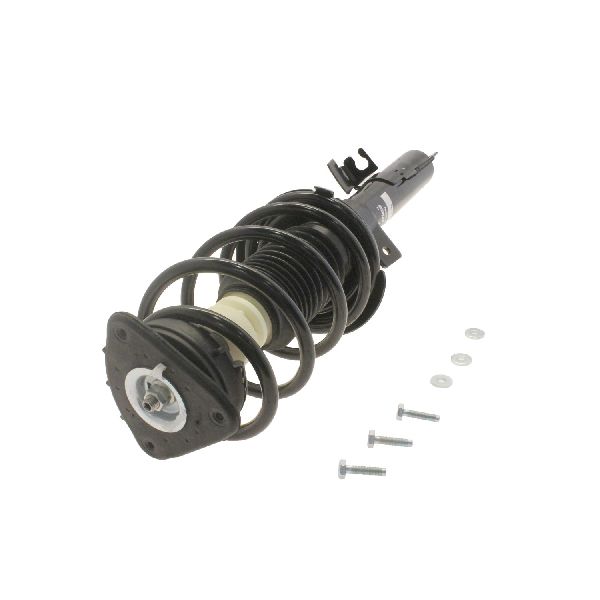
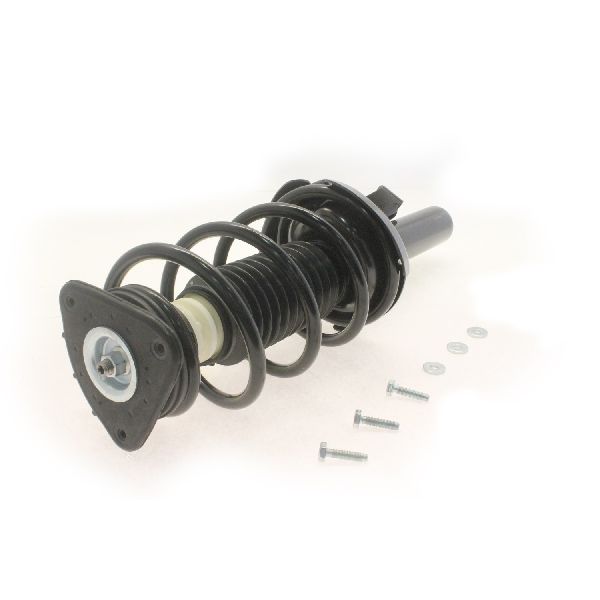
Original Equipment (OEM) struts on the Mazda 3 are not known for their long life. Fortunately, several aftermarket brands offer good alternatives. Complete strut assemblies, also called "quick struts," are highly recommended because they include a new strut, spring, and mount, which saves a lot of installation time and doesn't require special tools like a spring compressor.
Brand Quality Tiers for Your Mazda 3
Not all brands are created equal. Owner experiences show a clear difference in quality and performance.
- Premium / OEM+ (Restores Performance):
KYB: This is the most recommended brand by Mazda 3 owners. KYB is known for making high-quality parts that restore the original sporty "zoom-zoom" handling of the car. Many consider them an upgrade over the stock parts. - Quality Alternative:
Mando: Mando is an OEM supplier for brands like Hyundai and Kia and has a good reputation for quality. Owners who have used them report a ride that feels like new, with a solid fit and finish. They are a great choice if KYB is not available. - Standard / Softer Ride:
Monroe: Monroe is a well-known brand, but for the Mazda 3, many owners report their struts provide a softer, more comfortable ride that sacrifices some of the car's sharp handling. Reviews are often mixed, with some finding them acceptable and others disappointed. - Economy (Budget-Focused):
FCS, Sen-Sen, Unity: These brands offer complete assemblies at a very low price. However, they are widely considered a budget choice. Owners frequently report a harsh or bouncy ride, poor body control, and a short lifespan. These are best suited for a car you are trying to keep on the road for another year or two on a tight budget, not for someone who values performance.
Pro Tip: When replacing struts due to noise, it's a good idea to also replace the stabilizer bar end links. Worn links are another common source of clunking noises on the Mazda 3 and are inexpensive to replace at the same time.
Cost of Replacing Mazda 3 Strut Assemblies (2004-2014)
| Part Type | Estimated Cost (Per Assembly) |
|---|---|
| New Aftermarket Assembly | $93.76 - $226.02 |
| Shop Labor (Per Side) | $150 - $250 |
| Total Per Side (Parts + Labor) | $243.76 - $476.02 |
Costs are estimates and can vary based on location, brand, and the specific repair shop. It is always recommended to replace struts in pairs (both front or both rear) to ensure even handling and stability.
Frequently Asked Questions
Can I replace just one strut?
It is not recommended. Struts should always be replaced in pairs (both front or both rear) to ensure your vehicle's handling is balanced and predictable. Replacing only one can lead to uneven handling, braking instability, and accelerated wear on the new part.
I replaced my struts and still hear a clunking noise. What's wrong?
If the noise persists after installing new struts, the most likely culprits are the stabilizer bar end links or the upper strut mounts (if you didn't use a complete assembly). These parts wear out and can cause noises very similar to a bad strut. Always inspect them during the strut replacement.
Is a complete "quick strut" assembly worth the extra cost?
Yes, for most people. A complete assembly is much safer and easier to install because you don't need to use a dangerous spring compressor tool to swap the old spring onto the new strut. It also ensures you have a new mount and bearing, which are common failure points.
Are there differences between the first (2004-2009) and second (2010-2013) generation struts?
Yes, there are differences in part numbers and fitment between the two generations. While the basic suspension design is similar, you must order the parts that are specific to your vehicle's year. Always verify the fitment before purchasing.
Helpful Videos
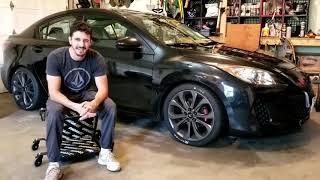
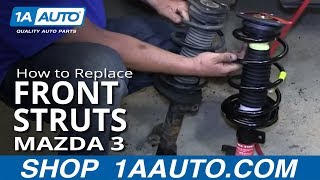
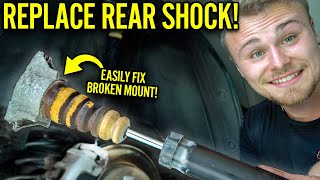
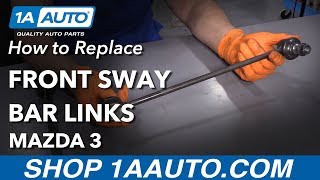

Technical Specifications
The front suspension uses a MacPherson strut design. The strut is secured to the steering knuckle at the bottom with a pinch bolt clamp and to the strut tower at the top with three bolts. Complete assemblies are recommended for DIY replacement.
We Have This Part in Stock


The information in this article is provided for general reference and educational purposes only. Vehicle specifications, procedures, and part compatibility can vary by production date, trim level, and region. Always consult your vehicle's factory service manual and verify part numbers before purchasing or performing repairs. Safety-critical components such as airbags, seat belts, and braking systems should be installed by a qualified professional.
- Mazda 3: