

Ford Explorer Front Wiper Motor: A Guide for 2004-2015 Models
If your Explorer's wipers are slow, erratic, or have stopped working, this guide explains your new aftermarket replacement options.
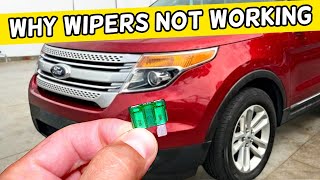
- Always check the wiper fuse first if your wipers stop working completely; it's a simple and cheap fix.
- Common warning signs of failure include slow operation, only working on high speed, or stopping in the wrong position.
- The replacement is DIY-friendly, but using a wiper arm puller tool is strongly recommended to prevent damage to the linkage.
- Your 2004-2015 Explorer is NOT affected by the major wiper motor recall that covers 2020-2022 models.
Is Your Explorer's Wiper Motor Failing?
A failing wiper motor on a Ford Explorer rarely stops working without warning. Before it fails completely, you will likely notice one or more specific symptoms. Understanding these signs can help you diagnose the problem before you get caught in a storm.
Common Failure Symptoms:
- Slow or Jerky Wipers: The wipers move much slower than normal, even on the fastest setting. They might also hesitate or move erratically across the windshield.
- Only One Speed Works: Often, the motor will only operate on the highest speed setting, while the lower speeds stop working. This usually points to a problem with the motor's internal electronics.
- Wipers Won't Park Correctly: When you turn the wipers off, they stop in the middle of the windshield instead of returning to their resting position. This indicates a failure of the internal park switch inside the motor assembly.
- Humming Noise, No Movement: You can hear a buzzing or humming sound from the base of the windshield when you turn the wipers on, but the arms don't move. This means the motor is getting power but has likely seized or has stripped internal gears.
- No Power, No Movement: The wipers don't move at all and you hear no sound. Before blaming the motor, always check the wiper fuse first, as this is a common and simple fix.
Pro Tip: If you can hear the motor running but the wipers aren't moving, the problem may be the wiper linkage or transmission, not the motor itself. Inspect the arms under the cowl to see if they have become disconnected from the motor.
Choosing the Right Aftermarket Wiper Motor
When replacing the wiper motor on your 2004-2015 Explorer, you don't have to buy an expensive OEM part from the dealer. Aftermarket parts offer a more affordable solution, but quality can vary between brands.
Aftermarket Brand Tiers
- Good Tier (Cardone, WAI Global): Brands like Cardone and WAI Global are well-known in the aftermarket electrical parts industry. Cardone offers both new and remanufactured options, and their quality has reportedly improved over the years. WAI Global specializes in new electrical components and is a common choice for technicians. However, some owners have reported mixed experiences, so be aware that quality can sometimes be inconsistent compared to OEM.
- Value Tier (Replacement): The 'Replacement' brand is a budget-friendly option designed to match the original part's fit and function. These parts provide a cost-effective solution to get your wipers working again, though they may not have the same long-term durability testing as premium brands.
OEM vs. Aftermarket Quality
For a critical safety part like a wiper motor, the main trade-off is cost versus reliability. An OEM Motorcraft motor is tested for a long service life but comes at a high price. Aftermarket motors are significantly cheaper and can offer good performance, but there is a higher risk of premature failure with some budget brands. For most owners, a quality aftermarket brand provides a good balance of value and reliability.
Ford Explorer Wiper Motor Replacement Cost
The total cost depends on whether you do the job yourself or hire a professional. The part itself is affordable, but labor can add a significant amount to the final bill.
| Part/Service | Estimated Cost |
|---|---|
| New Aftermarket Wiper Motor | $88 - $194 |
| Shop Labor | $110 - $180 |
| Total Professional Replacement | $198 - $374 |
Cost estimates are approximate and can vary by location and vehicle year.
Frequently Asked Questions
Can I replace the wiper motor myself?
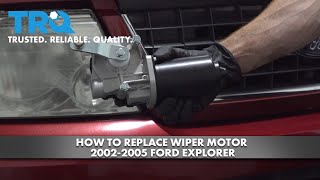
Yes, this is a DIY-friendly job for someone with basic tools. The process involves removing the wiper arms, taking off the plastic cowl panel at the base of the windshield, and unbolting the motor. A special wiper arm puller tool is highly recommended to avoid breaking the wiper linkage, which can be fragile. The entire job typically takes 1-2 hours.
Is there a recall for the 2004-2015 Explorer wiper motor?
No, there are no major recalls or Technical Service Bulletins (TSBs) specifically for wiper motor failure on the 2004-2015 Ford Explorer. A widely publicized recall (NHTSA 26V117) was issued for 2020-2022 models, but it does not affect this generation.
Do I need to replace the wiper linkage at the same time?
Not usually. You should only replace the wiper linkage (or transmission) if it is bent, broken, or if the joints are seized. If the linkage moves freely by hand after being disconnected from the motor, it does not need to be replaced.
How do I know if I need a front or rear wiper motor?
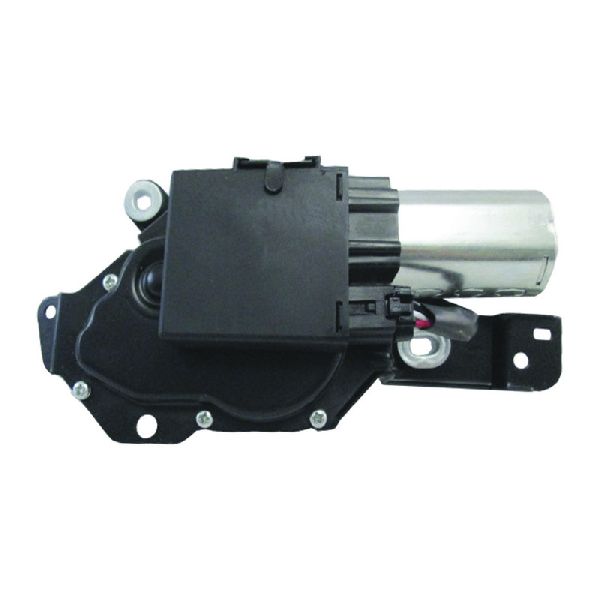
This guide focuses on the front windshield wiper motor. The rear wiper motor is a separate part located in the rear liftgate. Failure symptoms are similar, but the part and replacement procedure are completely different. Make sure you are ordering the correct part for your needs.
Helpful Videos
Technical Specifications
OEM Part Numbers: 5L2Z-17508-AA (Front, 2004-2005, includes linkage) 2L1Z-17508-AA (Front, 2004-2005) 6L1Z-17508-AARM (Front, Replaces earlier parts) WM-794 (Motorcraft, fits 2011-2015)
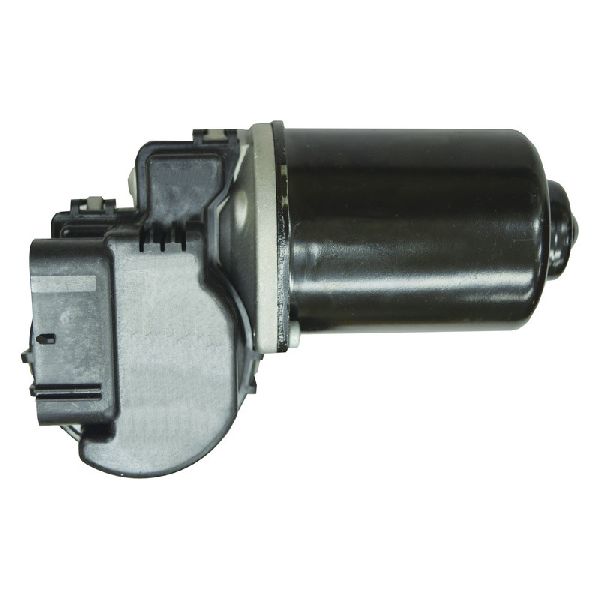
This is an electric motor that powers the front windshield wipers. It is typically mounted to the vehicle's firewall, underneath the plastic windshield cowl. The part may or may not include the wiper linkage/transmission assembly. Verify the correct part for your specific year, as designs changed between the 3rd, 4th, and 5th generations.
We Have This Part in Stock





The information in this article is provided for general reference and educational purposes only. Vehicle specifications, procedures, and part compatibility can vary by production date, trim level, and region. Always consult your vehicle's factory service manual and verify part numbers before purchasing or performing repairs. Safety-critical components such as airbags, seat belts, and braking systems should be installed by a qualified professional.
- Ford Explorer: