

Scion xB Disc Brake Pad Set Replacement Guide (2004-2015)
Everything Scion xB owners need to know when shopping for new aftermarket disc brake pads.
- Confirm fitment for your xB's generation; 2004-2006 and 2008-2015 models use different brake parts.
- For daily driving, quality ceramic pads from brands like Akebono or Bosch offer a quiet, low-dust alternative to the original semi-metallic pads.
- Always replace rotors with pads for the best performance and to avoid noise and vibration issues.
- A recall affected optional TRD brake kits on 2008-2015 models; check if your vehicle has these aftermarket parts.
Signs Your Scion xB Needs New Brake Pads
Your xB will give you clear warning signs when the brake pads are getting low. Ignoring them can lead to more expensive repairs, so it's important to address them quickly.
- Squealing or Screeching: Most brake pads have a small metal tab called a wear indicator. When the pad material wears down, this tab contacts the rotor and makes a high-pitched squeal. This is your first warning that it's time for a replacement.
- Grinding Noises: If you hear a deep, metallic grinding sound, it means the pad material is completely gone. The metal backing plate of the pad is now grinding against the rotor. This is a serious issue that reduces stopping power and will quickly damage the rotors, leading to a more costly repair.
- Spongy or Soft Brake Pedal: If the brake pedal feels softer than usual or sinks towards the floor, it could indicate worn pads or, more seriously, a problem with the brake fluid or hydraulic system.
- Pulling to One Side: If your xB pulls to the left or right when you brake, it could mean the pads are worn unevenly or a caliper is sticking.
Known Issues & Recalls
A safety recall (NHTSA ID: 18E-091, Toyota Recall J0U) was issued for optional TRD (Toyota Racing Development) front brake kits that could have been installed on 2008-2015 Scion xB models. The brake hoses in these kits could fatigue and rupture, leading to a loss of braking performance. The remedy was to replace the TRD kit with a standard equipment brake kit. While this doesn't affect standard factory brakes, if you bought your xB used, it's worth checking if it has this aftermarket TRD kit installed.
Choosing the Right Aftermarket Brake Pads
The original factory pads on the second-generation (2008-2015) Scion xB were semi-metallic. First-generation models (2004-2006) used different pads. When shopping for aftermarket replacements, you have several choices. The best option depends on your driving style and budget.
Generation Differences
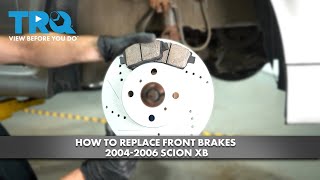
It's critical to buy the correct pads for your xB's generation. The first-generation (2004-2006) and second-generation (2008-2015) models use different brake components. The 2004-2006 xB has front disc brakes and rear drum brakes. The second-gen xB uses disc brakes on all four wheels. 🎬 Watch this step-by-step guide for 2nd-gen front brake replacement. Always confirm the part fits your specific model year.
Brand Tiers & Quality
Many owners have good experiences with well-known aftermarket brands that offer a balance of performance, low noise, and affordability.
- Premium Aftermarket (Akebono, Bosch, Raybestos): Brands like Akebono and Bosch are often original equipment manufacturers (OEMs) for many vehicles. Akebono ProACT pads are a popular choice for xB owners, known for being quiet, producing low dust, and offering smooth stopping power. Bosch QuietCast pads are also highly recommended for their quiet performance. Raybestos Element3 pads are another solid option praised for performance similar to OEM.
- Daily Driver (Wagner, Centric): Wagner ThermoQuiet pads are a go-to for many drivers due to their good price, long life, and low dust. Some users note they may need minor adjustments to fit perfectly but are generally reliable. Centric Posi-Quiet is another well-regarded daily driver option.
- Performance (Hawk, EBC): For drivers seeking increased stopping power for spirited driving, brands like Hawk Performance and EBC offer pads with more aggressive friction compounds. These pads provide a better "bite" but may produce more dust and noise than ceramic or OEM-style pads.
Pro Tip: Ceramic vs. Semi-Metallic
Most aftermarket options for the xB are ceramic. Ceramic pads are known for being very quiet and producing a fine, light-colored dust that isn't very noticeable on wheels. They offer excellent, consistent stopping power for daily driving. Semi-metallic pads, like the original ones on some xB models, can offer better performance in extreme temperatures but tend to be noisier and create more dark-colored dust. For the average xB owner, a quality ceramic pad is an excellent all-around choice.
| Category | Estimated Price Range |
|---|---|
| New OEM (Toyota/Scion) | $52 - $105 |
| New Aftermarket | $26 - $170 |
| Shop Labor | $98 - $143 |
Frequently Asked Questions (FAQ)
Do I need to replace my rotors with my brake pads?
It's highly recommended. While you can sometimes resurface rotors if they are still within thickness specifications, installing new pads on worn or uneven rotors can cause noise, vibration, and reduced pad life. For best results, replace pads and rotors at the same time. Many brands offer convenient pad and rotor kits.
What's the difference between front and rear pads on my 2008-2015 xB?
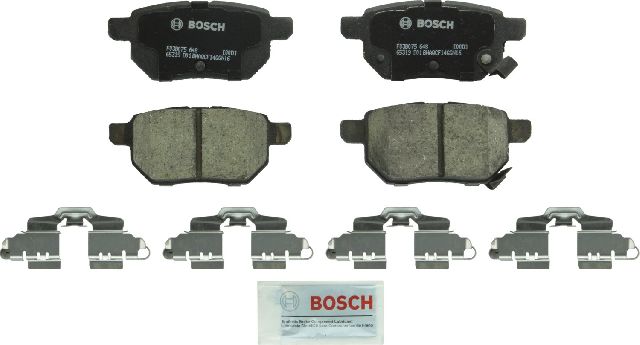
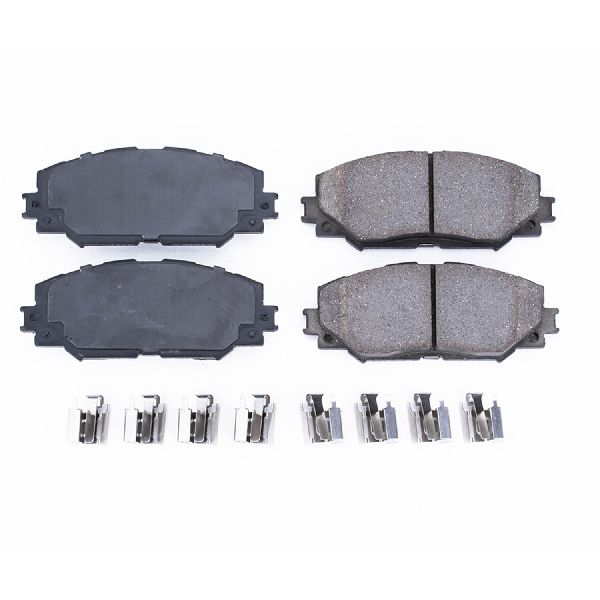
Front and rear brake pads are different sizes and shapes and are not interchangeable. The front brakes do most of the work in stopping your vehicle, so the pads are larger and tend to wear out faster than the rear pads.
My 2005 xB has drum brakes in the rear. Do I need to worry about those?
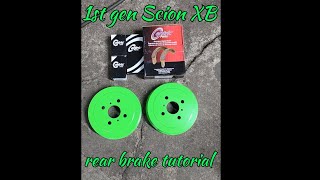
Yes. The first-generation xB (2004-2006) has rear drum brakes, which use "shoes" instead of pads. While they wear much slower than front pads, they still need to be inspected and replaced when worn. This guide focuses on disc brake pads for the front of the 1st-gen and all 🎬 See how to replace front brakes on 2004-2006 models. four wheels of the 2nd-gen.
Can I install brake pads myself?
Yes, replacing brake pads is a common DIY job for those with the right tools and mechanical ability. However, brakes are a critical safety system. If you are not completely confident in your ability to do the job correctly, it is best to have it done by a professional mechanic. Incorrect installation can lead to brake failure.
What does the "bed-in" process involve?
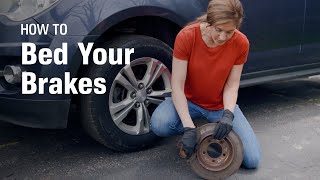
Bedding-in, or breaking in, new pads and rotors is a process of controlled stops to mate the two surfaces together. This ensures smooth, quiet operation and optimal performance. Most manufacturers provide a specific procedure, which typically involves a series of moderate stops from a set speed, followed by a cool-down period. Failing to bed-in your new brakes can sometimes lead to noise or vibration issues.
🎬 Watch this video to learn how to bed-in your brakes.Helpful Videos
Technical Specifications
OEM Part Numbers: 04465-42200 04465-42160 04466-12150 04466-12130 04465-52210 04466-12140 04465-52170
First generation (2004-2006) models use front disc brakes and rear drum brakes. Second generation (2008-2015) models use front and rear disc brakes. Pad material can be ceramic or semi-metallic.
We Have This Part in Stock
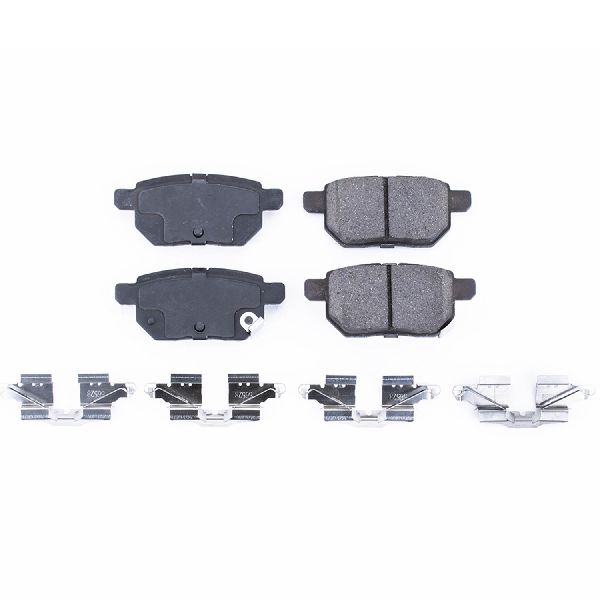
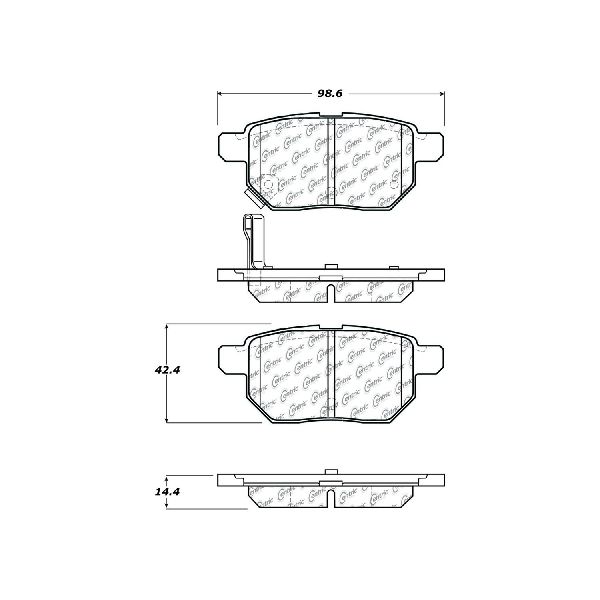
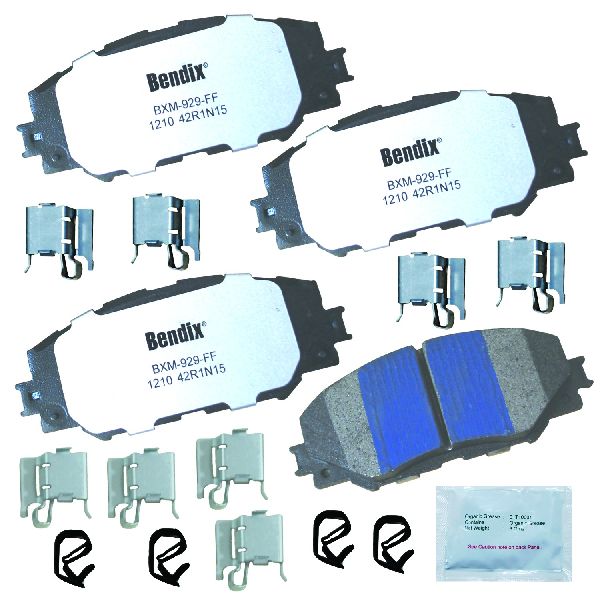
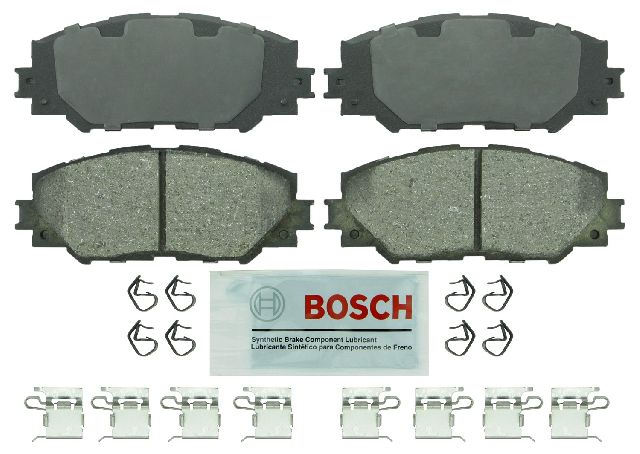

The information in this article is provided for general reference and educational purposes only. Vehicle specifications, procedures, and part compatibility can vary by production date, trim level, and region. Always consult your vehicle's factory service manual and verify part numbers before purchasing or performing repairs. Safety-critical components such as airbags, seat belts, and braking systems should be installed by a qualified professional.
- Scion xB: