

Scion xB Oxygen Sensor Guide for 2004-2015 Models
Everything a Scion xB owner needs to know about replacing a failing oxygen sensor.
- There are two generations of xB (2004-06 and 2008-15) with different engines and sensors; verify your year before buying.
- Choose a direct-fit sensor from Denso or NGK/NTK for the highest quality and easiest installation, as Denso is the likely OEM supplier.
- A P0420 code is often caused by a faulty oxygen sensor, which is a much cheaper repair than replacing the catalytic converter.
- Replacing the downstream sensor on a 1st gen (2004-06) xB requires removing the center console to access the electrical connector.
Understanding Oxygen Sensor Failure in Your Scion xB

An oxygen sensor in your 2004-2015 Scion xB won't last forever. Over time, they get contaminated by exhaust gases, oil, and coolant, which makes them slow to respond or fail completely. When a sensor fails, your car's computer can't properly adjust the fuel mixture. This leads to common problems like a lit check engine light, worse fuel economy, and a rough-running engine. Ignoring a bad O2 sensor can eventually damage your expensive catalytic converter, turning a small repair into a major one.
First Gen vs. Second Gen: What's Different?
It's crucial to know which generation of Scion xB you own, as the oxygen sensors are different.
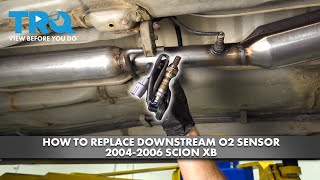
- First Generation (2004-2006): These models use a 1.5L 1NZ-FE engine. They have two standard oxygen sensors: one upstream (before the catalytic converter) and one downstream (after the catalytic converter). The downstream sensor's wiring for this generation often passes through the floor into the cabin, requiring you to remove the center console to unplug it. 🎬 Watch: Step-by-step guide for replacing the first-gen downstream sensor.
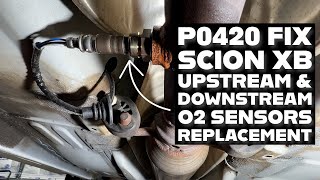
- Second Generation (2008-2015): These models have a larger 2.4L 2AZ-FE engine. The upstream sensor is a more sophisticated and expensive Air/Fuel Ratio (A/F) sensor, while the downstream is a standard oxygen sensor. 🎬 See how to fix a P0420 code on 2nd Gen models. Both sensors are typically accessible from under the hood or beneath the car.
Common Ordering Mistake
Always confirm if you need an upstream (Sensor 1) or downstream (Sensor 2) sensor. They are not interchangeable. For 2nd gen models, ensure you are buying an "Air/Fuel Ratio Sensor" for the upstream position and an "Oxygen Sensor" for the downstream position.
Choosing the Right Aftermarket Oxygen Sensor

When shopping for a replacement, you'll find several brands. For a Japanese vehicle like the Scion xB, the original equipment manufacturer (OEM) is often the best choice for fit and performance. Aftermarket brands offer a range of quality and price.
- OEM-Equivalent Brands (Denso, NGK/NTK): Denso is widely known to be the original equipment supplier for Toyota and Scion. Choosing a Denso or NGK (also known as NTK for sensors) aftermarket part often means you are getting the exact same quality as the dealer part without the higher price. These are highly recommended for a first-time fit and long-term reliability.
- Reputable Aftermarket Brands (Bosch, Delphi): Bosch is a massive sensor manufacturer and offers both direct-fit and universal options. While generally reliable, some owners prefer to stick with the Japanese OEM brands for best compatibility. Always double-check that a Bosch sensor is a "direct-fit" with the correct connector to avoid wiring issues.
- Value Brands (DriveWire, Walker Products): These brands provide a budget-friendly option. They can be a good choice if cost is the primary concern, but they may not have the same longevity or perfect fit as the premium brands. Some owners report success with cheaper sensors, while others find they fail sooner.
Pro Tip: Direct-Fit vs. Universal
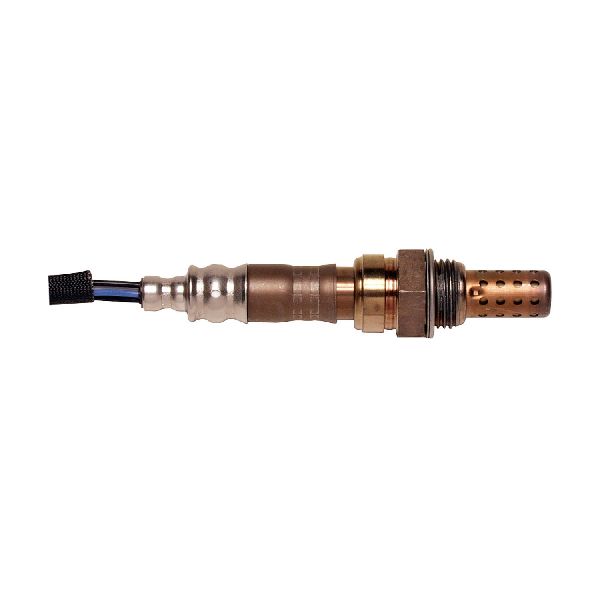
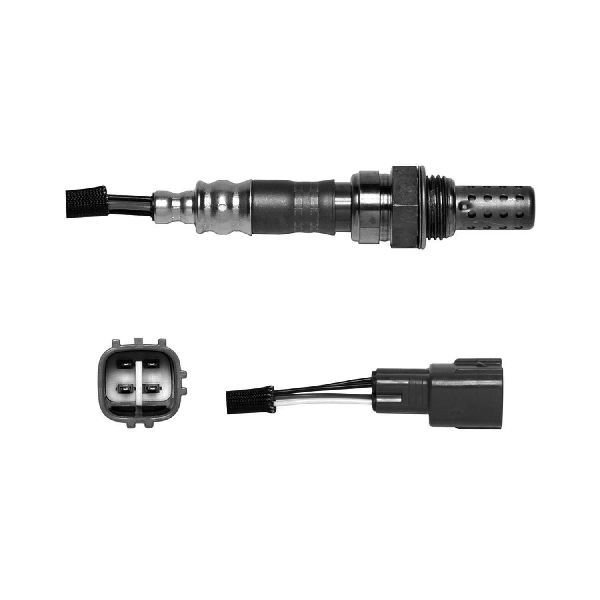
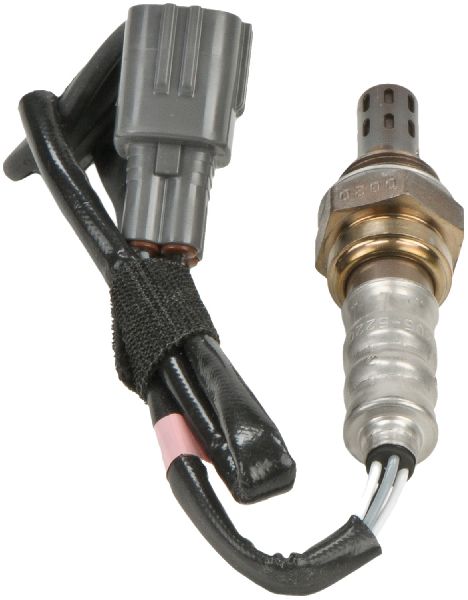
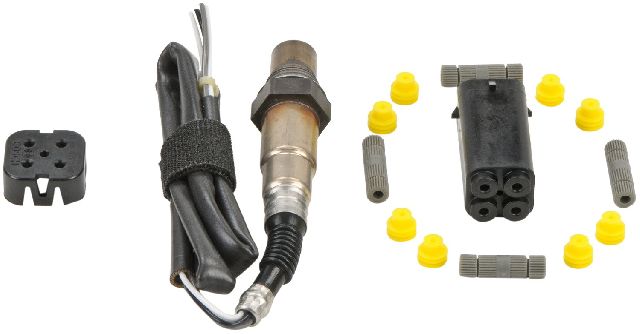
Always choose a "direct-fit" sensor. These come with the correct length wire and factory-style connector for a simple plug-and-play installation. A "universal" sensor requires you to cut your old connector off and splice it onto the new sensor, which can lead to connection problems.
Oxygen Sensor Replacement Costs for Scion xB

The cost depends on the sensor's location (upstream/A/F sensors are more expensive) and the brand you choose. Labor at a repair shop is typically around one hour per sensor.
| Part Type | Estimated Cost |
|---|---|
| New Aftermarket Oxygen Sensor | $39 - $150 |
| New Aftermarket Air/Fuel Ratio Sensor (Gen 2 Upstream) | $100 - $308 |
| Shop Labor to Install (per sensor) | $100 - $200 |
Frequently Asked Questions

How many oxygen sensors does my Scion xB have?
All 2004-2015 Scion xB models have two sensors. One is located upstream (before the catalytic converter, often in the exhaust manifold) and one is located downstream (after the catalytic converter).
What tools do I need to replace an O2 sensor?
You will need a special oxygen sensor socket, which is a deep socket with a slot for the wire to pass through. You'll also need a ratchet and potentially some penetrating fluid to loosen the old, rusted sensor. For the first-generation downstream sensor, you may also need a Phillips head screwdriver and a 10mm socket to remove the center console.
My check engine light is on for code P0420. Is it the oxygen sensor?
The code P0420 (Catalyst System Efficiency Below Threshold) is very common. While it can be caused by a failing catalytic converter, it is often triggered by a lazy or failing downstream oxygen sensor that is giving false readings. Many mechanics suggest replacing the oxygen sensors first, as they are much cheaper than a new catalytic converter.
🎬 Watch: Understanding P0420 symptoms and finding the real fix.Are there any recalls for the Scion xB oxygen sensor?
There are no specific recalls for the oxygen sensor itself on most models. However, Toyota did issue a Special Service Campaign for some vehicles where the O2 sensor wiring harness could degrade, which the dealer would replace. There have been other recalls for the xB, but none directly targeting widespread oxygen sensor failure.
Helpful Videos

Technical Specifications
OEM Part Numbers: 89465-52190 89465-52200 89467-72010 89465-12A00 89467-12070
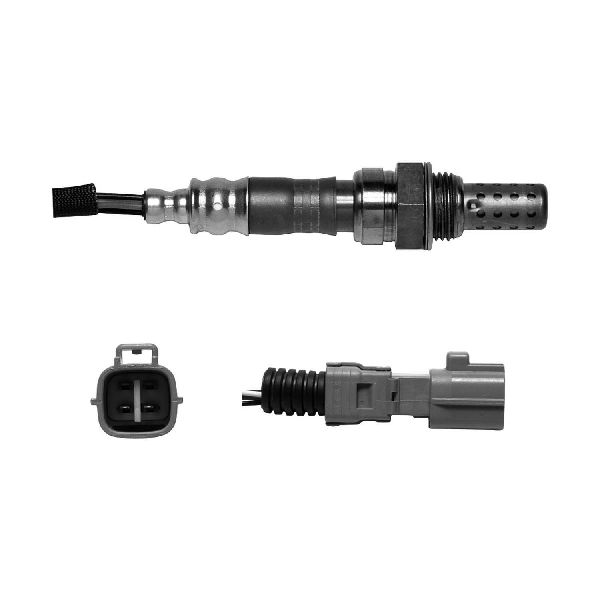
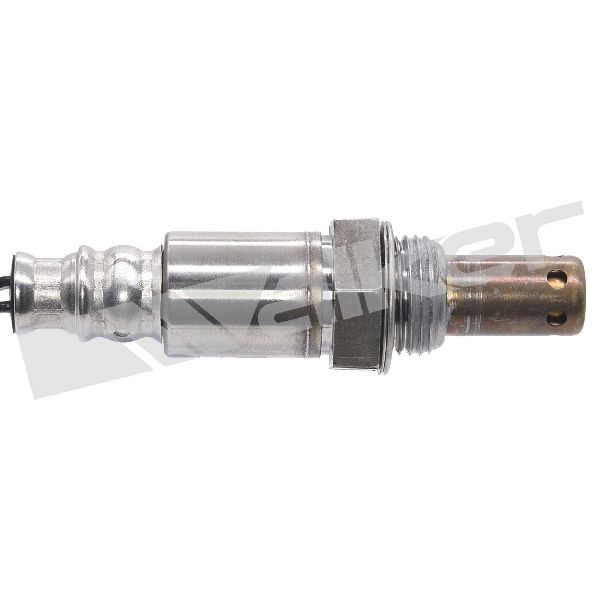
All models use two sensors: one upstream (Bank 1, Sensor 1) and one downstream (Bank 1, Sensor 2). The 2004-2006 models use a 1.5L engine with two standard (narrow-band) O2 sensors. The 2008-2015 models use a 2.4L engine with an upstream Air/Fuel Ratio (wideband) sensor and a downstream standard O2 sensor. All use a 4-wire configuration.
We Have This Part in Stock

The information in this article is provided for general reference and educational purposes only. Vehicle specifications, procedures, and part compatibility can vary by production date, trim level, and region. Always consult your vehicle's factory service manual and verify part numbers before purchasing or performing repairs. Safety-critical components such as airbags, seat belts, and braking systems should be installed by a qualified professional.
- Scion xB:
- 🎬 Helpful Videos
- 🛍️ Shop This Part
- Understanding Oxygen Sensor Failure in Your Scion xB
- First Gen vs. Second Gen: What's Different?
- Common Ordering Mistake
- Choosing the Right Aftermarket Oxygen Sensor
- Pro Tip: Direct-Fit vs. Universal
- Oxygen Sensor Replacement Costs for Scion xB
- Frequently Asked Questions
- 🎟️ Get 5% Off