

Volvo S80 Radiator Coolant Hose: A Guide for 2004-2015 Models
Everything a Volvo S80 owner needs to know before replacing a radiator coolant hose.
- You must correctly identify your S80's generation (2004-2006 or 2007-2015) to get the right hose.
- Symptoms include coolant leaks, overheating, and visible hose damage like swelling or cracks.
- Brands like CRP, Gates, and Dayco are considered reliable aftermarket choices, while budget brands have mixed reviews.
- Driving with a leaking or damaged radiator hose is not recommended as it can lead to catastrophic engine failure from overheating.
Understanding Radiator Hose Failure in Your S80
Radiator hoses are wear-and-tear items. Made of rubber, they are constantly exposed to high temperatures, pressure, and vibrations. Over many years and miles, the rubber can degrade, leading to cracks, leaks, or even a complete burst. Oil leaks from other parts of the engine can also drip onto the hoses, causing the rubber to swell and soften, which speeds up failure. A failed hose can't transport coolant effectively, putting your engine at immediate risk of overheating.
Important: Know Your S80 Generation
The 2004-2015 year range covers two different generations of the Volvo S80, which use different engines and parts. Ordering the correct hose is critical.
- First Generation (P2 Platform): 2004-2006 model years.
- Second Generation (P3 Platform): 2007-2015 model years.
Always verify the exact model year and engine (e.g., 3.2L, T6, V8) of your S80 before purchasing a radiator hose. The shape, size, and connections are not interchangeable between generations.
Common Symptoms of a Failing Radiator Hose
If your S80's radiator hose is failing, you will likely notice one or more of these signs:
- Coolant Leaks: This is the most common symptom. You may see puddles of green, blue, or pink fluid under the front of your car. This fluid will often have a distinctly sweet smell. Leaks typically occur at the connection points or from cracks in the hose itself.
- Engine Overheating: If the hose has a significant leak or has collapsed, coolant cannot circulate properly. This will cause the engine temperature gauge on your dashboard to climb into the red zone. This is a serious issue that requires you to stop the engine immediately.
- Low Coolant Light: A persistent leak will cause the coolant level in the reservoir to drop, triggering the 'Low Coolant' warning message on your dashboard.
- Visible Hose Damage: It's good practice to visually inspect your hoses. Look for cracks, splits, or bulging/swelling. A swollen or spongy-feeling hose is a sign that it has been contaminated by oil or is breaking down internally and could burst soon.
- Collapsed Hose: In some cases, a vacuum issue in the cooling system or a weak, failing hose can cause it to collapse inward, which will block coolant flow.
Choosing the Right Aftermarket Hose Brand
When replacing a radiator hose, you have several aftermarket options. They generally fall into different quality and price tiers. While OEM Volvo hoses are always an option, quality aftermarket parts can offer excellent performance for a lower price.
Premium Aftermarket (OEM-Quality)
- CRP (Rein): CRP's Rein brand is widely respected in the European car community as an Original Equipment Manufacturer (OEM) supplier for many parts. Choosing a Rein hose is often the closest you can get to dealer quality without the dealer price tag. They are known for correct fitment and durable materials.
Reliable Aftermarket (Mid-Tier)
- Gates: Gates is a major name in belts and hoses with a long-standing reputation for quality. Many professional mechanics trust and use Gates products. Forum discussions often point to good fitment and durability, making them a solid, reliable choice for your Volvo.
- Dayco: Similar to Gates, Dayco is another well-known manufacturer. While most users find their quality to be good, some have occasionally reported minor fitment differences compared to the original part. Overall, Dayco is a dependable and widely available option.
Economy Aftermarket (Budget-Tier)
- URO Parts: URO Parts offers some of the most affordable options. However, their quality has a mixed reputation among Volvo owners. While some have used their hoses without issue, others report problems with fitment and longevity. This brand can be a choice if budget is your primary concern, but it may carry a higher risk of premature failure compared to premium brands.
- Professional Parts Sweden (PPS): Based on owner feedback in Volvo communities, this brand is generally not recommended. Multiple users have reported poor quality and premature failures with PPS parts. It is a budget-focused brand, and the lower price may reflect lower quality control.
| Part Type | Estimated Price Range |
|---|---|
| New Aftermarket | $9.59 - $72.91 |
| Shop Labor | $50 - $75 |
Pro Tip: While replacing one hose, inspect all other cooling system hoses, including the smaller heater and bypass hoses. It's often cost-effective to replace multiple aging hoses at the same time to prevent future failures.
Frequently Asked Questions (FAQ)
Are there any recalls for the 2004-2015 Volvo S80 radiator hose?
No, searches of the National Highway Traffic Safety Administration (NHTSA) database did not find any specific safety recalls for the main radiator coolant hoses on the 2004-2015 Volvo S80. There was a recall for a power steering hose on some 2007 models and for a coolant bleeder hose on different Volvo models, but not the primary radiator hoses for this S80 range.
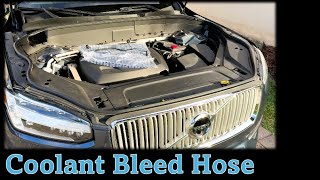
🎬 Watch: How to replace the Volvo coolant bleeder hose.Can I replace a radiator hose myself?
Yes, for someone with basic tools and mechanical experience, this is a very feasible DIY job. The process involves draining the coolant, using pliers to release the hose clamps, swapping the old hose for the new one, and then refilling and bleeding the air from the cooling system. There are many general video guides online that show the process.
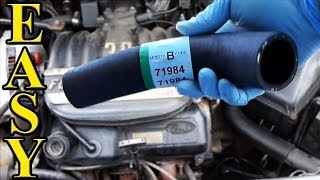
🎬 See this walkthrough for replacing both upper and lower hoses.Should I replace the hose clamps too?
It is highly recommended. The original spring-style clamps can lose their tension over time, leading to leaks even with a new hose. New worm-gear or spring-style clamps are inexpensive and provide peace of mind that the connection is secure.
What kind of coolant should I use for my Volvo S80?
Always use a coolant that meets Volvo's specifications. For these models, it is typically a blue, long-life coolant. Using the wrong type of coolant can lead to corrosion and damage to the cooling system. Check your owner's manual or the coolant reservoir cap for the specific type required.
Helpful Videos
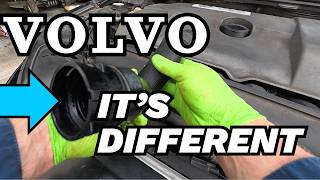
Technical Specifications
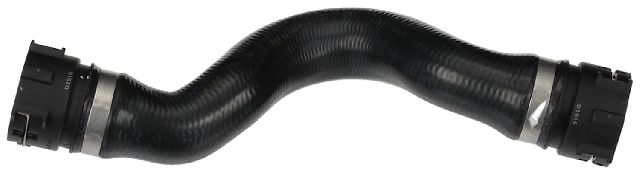
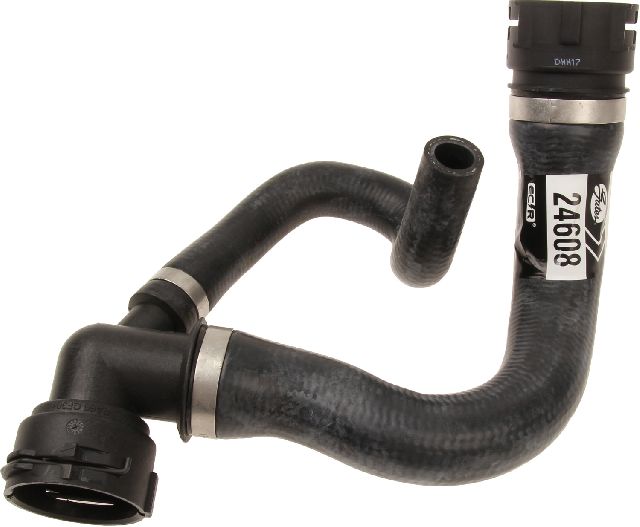
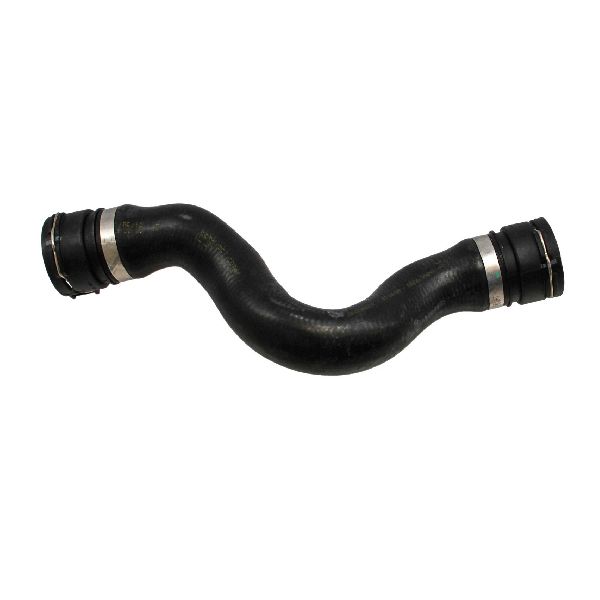
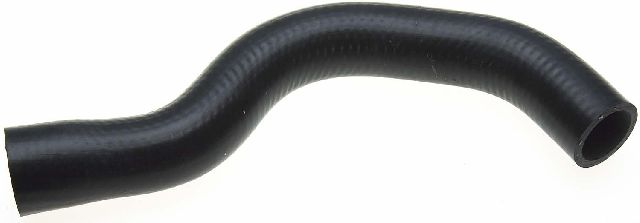
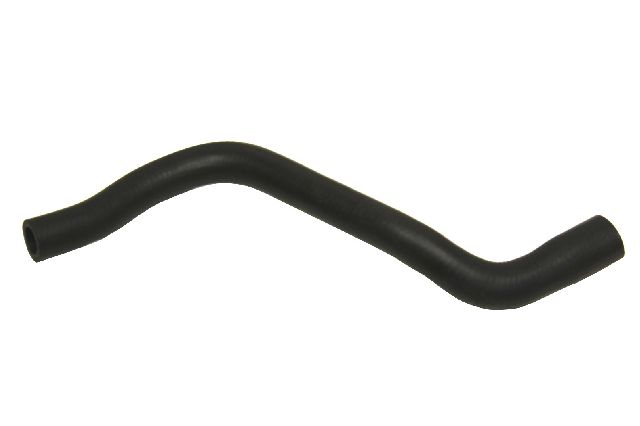
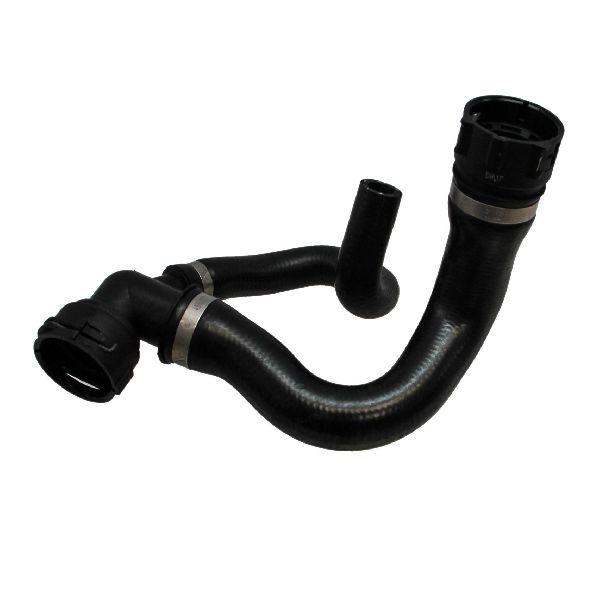
Vehicle-specific molded rubber construction. Includes upper, lower, and various other coolant hoses depending on engine type and model year. Must be resistant to heat, pressure, and ethylene glycol-based coolants.
We Have This Part in Stock

The information in this article is provided for general reference and educational purposes only. Vehicle specifications, procedures, and part compatibility can vary by production date, trim level, and region. Always consult your vehicle's factory service manual and verify part numbers before purchasing or performing repairs. Safety-critical components such as airbags, seat belts, and braking systems should be installed by a qualified professional.
- Volvo S80:
- 🎬 Helpful Videos
- 🛍️ Shop This Part
- Understanding Radiator Hose Failure in Your S80
- Important: Know Your S80 Generation
- Common Symptoms of a Failing Radiator Hose
- Choosing the Right Aftermarket Hose Brand
- Premium Aftermarket (OEM-Quality)
- Reliable Aftermarket (Mid-Tier)
- Economy Aftermarket (Budget-Tier)
- Frequently Asked Questions (FAQ)
- 🎟️ Get 5% Off