

A Comprehensive Guide to 2004-2016 Freightliner M2 Radiator Coolant Hoses
Keep your M2's engine cool and prevent costly downtime by understanding how to choose the right new aftermarket radiator hose.
- A failing radiator hose is a critical issue; do not drive the vehicle if you suspect a leak to avoid catastrophic engine damage.
- High-quality aftermarket brands like Gates are a reliable and cost-effective alternative to OEM parts, often with superior or equivalent fit and quality.
- Always replace hose clamps with the hoses, and consider replacing hoses in pairs (upper and lower) as a preventative measure.
- The M2 has many hose variations based on the engine type; verify your specific engine and cross-reference part numbers to ensure you buy the correct molded hose.
Is Your Radiator Hose Failing?
A bad radiator hose can take your truck off the road and lead to serious engine damage. Since these hoses are made of rubber, they naturally wear out over time from heat and pressure. Knowing the signs of failure can help you avoid a sudden breakdown. Be on the lookout for these common symptoms.
Key Failure Symptoms
- Coolant Leaks: The most obvious sign is puddles of green, pink, or orange fluid 🎬 See how to identify and fix common M2 coolant leaks. under the front of your truck. You might also see staining on the hoses or nearby engine parts.
- Visible Damage: Regularly inspect your hoses. Look for cracks, splits, brittleness, or swelling. Hoses that feel mushy, spongy, or unusually hard need to be replaced.
- Engine Overheating: If your temperature gauge climbs into the red, a burst or collapsed hose could be the cause. A collapsed hose blocks coolant flow, leading to rapid overheating. 🎬 Watch these expert tips for troubleshooting an overheating M2.
- Low Coolant Light: If you have to add coolant to the reservoir often, you likely have a slow leak. An old hose is a common culprit.
Known Issues, Recalls, and TSBs
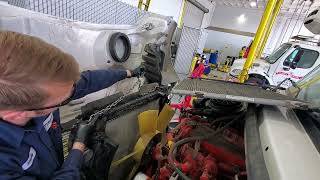
Searches for official recalls or Technical Service Bulletins (TSBs) from the NHTSA for radiator hose failures on the 2004-2016 Freightliner M2 did not show any specific campaigns for the coolant hoses themselves, as they are considered wear-and-tear items. However, it is worth noting NHTSA Safety Recall 21V-067, which affects some 2014-2019 M2 models. This recall is for a retaining clip on the transmission oil cooler line at the radiator that could fail, causing a transmission fluid leak. While not an engine coolant hose, it is part of the radiator assembly 🎬 Watch this walkthrough for a full radiator and hose replacement. and highlights the importance of inspecting all connections in the cooling system. You can check if your truck is affected by contacting a dealer or using your VIN on the NHTSA website.
Choosing the Right Aftermarket Hose: OEM vs. Aftermarket
For a wear item like a radiator hose, you don't always need to pay dealer prices for an OEM (Original Equipment Manufacturer) part. A high-quality aftermarket hose can provide the same performance and lifespan for less money. Reputable aftermarket brands are used by professional mechanics and often meet or exceed OEM specifications.
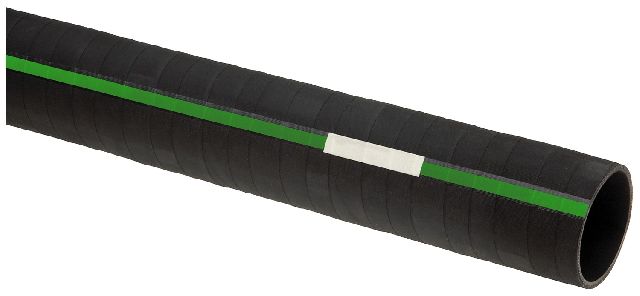
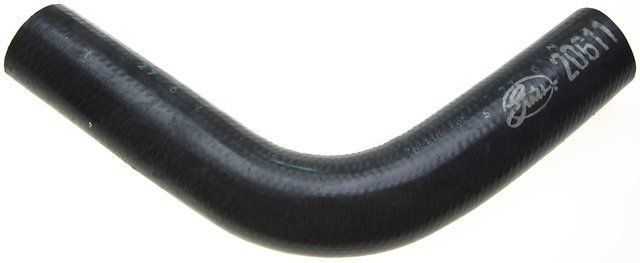
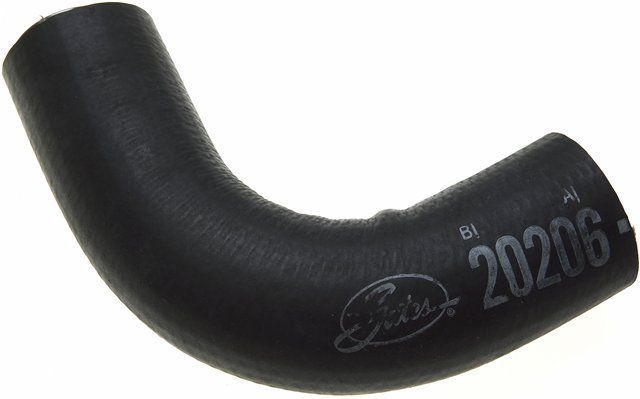
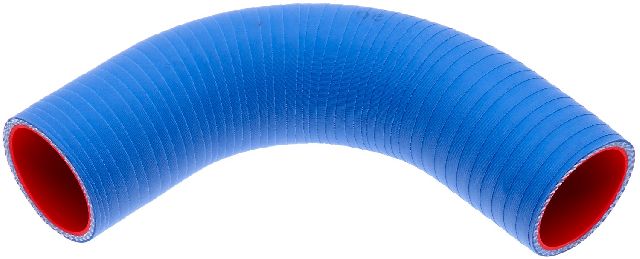
Gates is a top-tier aftermarket brand well-regarded for its quality and durability in heavy-duty applications. Their molded hoses are engineered to resist electrochemical degradation, a primary cause of hose failure from the inside out. Many mechanics prefer Gates because their hoses are known for having a precise, OEM-like fit, which is crucial for a proper seal and avoiding leaks. Gates even manufactures some OEM parts, like the "Blue Stripe" hoses found on some M2 models.
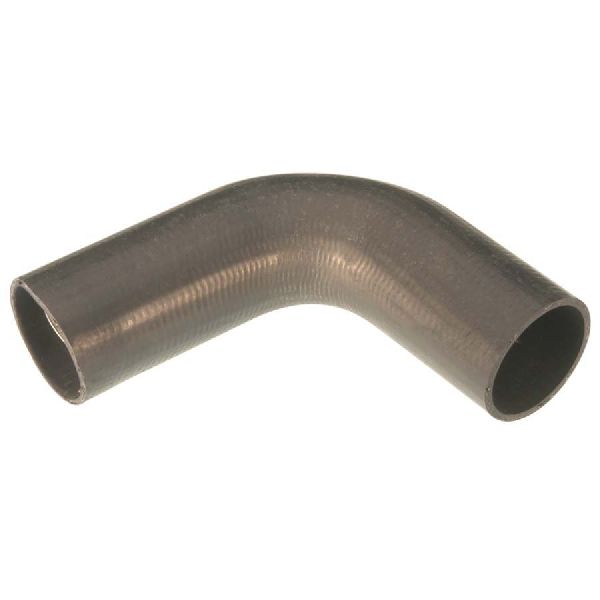
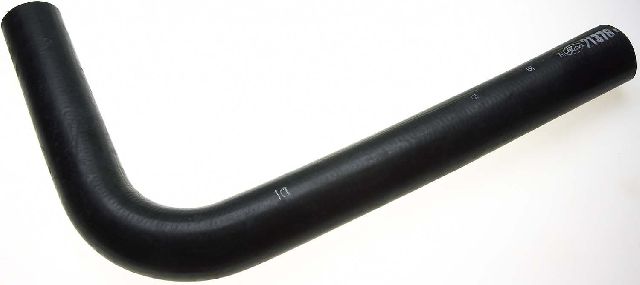
When choosing a hose, always select a molded hose specifically designed for your M2's year and engine. Do not use a generic or "flex" hose, as it can kink and restrict coolant flow, leading to overheating.
Pro Tip: The Freightliner M2 was available with different engines (like Cummins or Mercedes-Benz), which means there are many different hose shapes and sizes. Always verify your truck's engine to ensure you order the correct part. Cross-referencing an OEM part number is the best way to guarantee a perfect fit.
Cost of Replacement Parts
The cost for a new aftermarket radiator coolant hose for your Freightliner M2 can vary depending on the specific hose (upper, lower, etc.) and brand.
| Part Type | Estimated Cost |
|---|---|
| New Aftermarket (Gates) | $27.16 - $133.56 |
| Shop Labor | $150 - $360 |
Frequently Asked Questions (FAQ)
Can I drive my M2 with a leaking radiator hose?
No. A coolant leak can quickly cause your engine to overheat, leading to severe and expensive damage like a warped cylinder head or a seized engine. It is critical to stop driving and fix the issue immediately.
Should I replace both the upper and lower hoses at the same time?
Yes, this is highly recommended. Both hoses are exposed to the same heat and pressure, so they degrade at a similar rate. If one has failed, the other is likely near the end of its service life. Replacing them together saves you from future downtime.
Should I also replace the hose clamps?
Yes, always replace the hose clamps when you install new hoses. This ensures a tight, leak-free seal. Many mechanics prefer spring-style clamps over worm-gear clamps because they maintain constant tension as the hose expands and contracts with temperature changes.
How often should I replace my radiator hoses?
For a commercial vehicle like the M2, it's wise to be proactive. Many experts recommend replacing radiator hoses as part of routine maintenance every 4 to 5 years, even if they don't show visible signs of failure.
What kind of coolant should I use in my Freightliner M2?
Always use the coolant type specified by Freightliner for your truck's model year and engine. Using the wrong coolant can lead to corrosion and damage the cooling system, including the hoses. Check your owner's manual or with a dealer for the correct specification.
Helpful Videos
![Truck Overheating - [Freightliner M2] Tips from@DIYSEMI](https://img.youtube.com/vi/tcHkfRfwZ-Q/mqdefault.jpg)
Technical Specifications
OEM Part Numbers: 01-31990-001 01-31990-000 A04-31392-000
Hoses are typically made from EPDM (Ethylene Propylene Diene Monomer) rubber to resist heat, coolant chemicals, and ozone. They are 'molded' into specific shapes to fit the engine layout. Some premium aftermarket hoses feature multi-ply construction and internal reinforcement to resist collapse and electrochemical degradation.
We Have This Part in Stock

The information in this article is provided for general reference and educational purposes only. Vehicle specifications, procedures, and part compatibility can vary by production date, trim level, and region. Always consult your vehicle's factory service manual and verify part numbers before purchasing or performing repairs. Safety-critical components such as airbags, seat belts, and braking systems should be installed by a qualified professional.
- Freightliner M2: