

A Guide to the Fuel Pressure Sensor for the 2004-2016 Volvo S80
Understanding this critical sensor is the first step to fixing common stalling, hesitation, and no-start problems in your S80.
- A failing fuel pressure sensor is a very common cause of stalling, hard starts, and hesitation on 2004-2016 S80s.
- Bosch is the Original Equipment Manufacturer (OEM); choosing the Bosch brand is the most reliable aftermarket choice.
- Replacement is a simple DIY job, but you must relieve fuel pressure by pulling the fuel pump fuse before starting.
- Before buying, visually confirm the sensor's presence on your fuel rail, as some early 2004 models may not have one.
Is Your S80 Stalling or Running Rough? Check the Fuel Pressure Sensor.

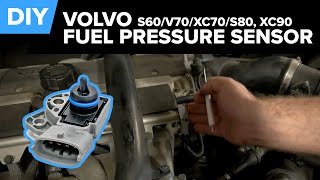
If you're dealing with frustrating engine problems like stalling at red lights, difficulty starting, or a sudden loss of power, a faulty fuel pressure sensor is a very common culprit on the 2004-2016 Volvo S80. This sensor is a known weak point that often fails over time, but the good news is that it's a straightforward part to diagnose and replace. 🎬 Watch: This easy DIY walkthrough shows the full replacement process. Ignoring the symptoms can lead to your car not starting at all or stalling in traffic, which can be dangerous.
Known Issues and Warranty Extensions
While no recalls specifically target the 2004-2016 S80 for this part, Volvo did issue a recall (R181 / NHTSA 07V-226) for a similar issue on 2003-2004 S60/V70 models, where a cracked sensor could cause stalling. Additionally, Volvo extended the warranty on the low-pressure fuel sensor for some 2015-2016 S80 models to 8 years or 80,000 miles due to a defect that could trigger the check engine light with code P018C00. It's important to check if your specific vehicle is covered, but most are now outside this warranty period.
Choosing the Right Aftermarket Fuel Pressure Sensor

When your sensor fails, you have a few options. Since Bosch is the original equipment manufacturer (OEM) for Volvo, choosing a Bosch-branded sensor is the closest you can get to the genuine part without the dealership price tag.
Brand Quality Tiers
- Tier 1 (OEM Quality): Bosch is the original supplier for Volvo. Choosing a Bosch sensor ensures a direct fit and the same performance and longevity as the part your car was built with. This is the most recommended option for reliability.
- Tier 2 (Reputable Aftermarket): Brands like Standard Ignition and Vemo are well-known in the aftermarket. They offer a good balance of quality and price, though they may not have the same long-term track record as Bosch on this specific part.
- Tier 3 (Budget-Friendly): Brands like URO Parts and generic "Replacement" sensors are the most affordable. While they can get your car running, some owner experiences suggest that the reliability of budget electronic parts can be inconsistent. These are best considered a short-term fix if your budget is tight.
| Brand Tier | Estimated Price |
|---|---|
| Tier 1 (Bosch) | $60 - $120 |
| Tier 2 (Standard, Vemo) | $50 - $90 |
| Tier 3 (URO Parts, Replacement) | $42 - $65 |
Pro Tip: Check Your Engine First
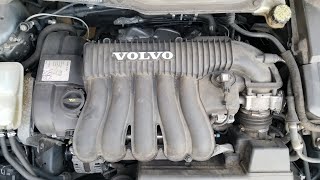
Before ordering, visually confirm that your S80 has a fuel pressure sensor. It is located on the end of the metal fuel rail. Some early 2004 models may not have this sensor and instead have a blue plastic cap where a pressure gauge connects. Don't rely only on a code from an auto parts store; always verify the part is physically on your car.
Frequently Asked Questions

Where is the fuel pressure sensor located on my S80?
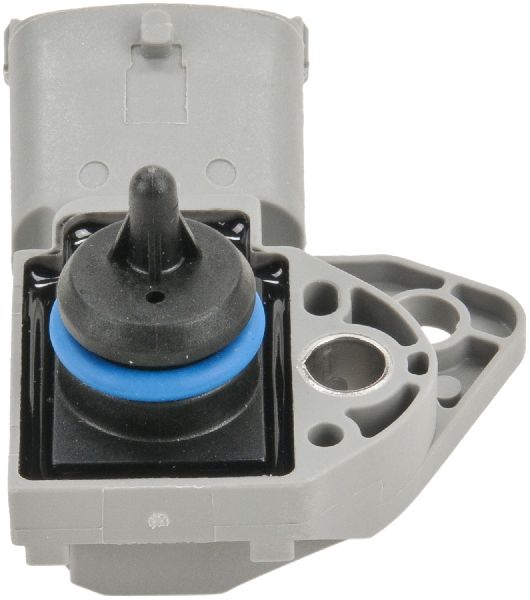
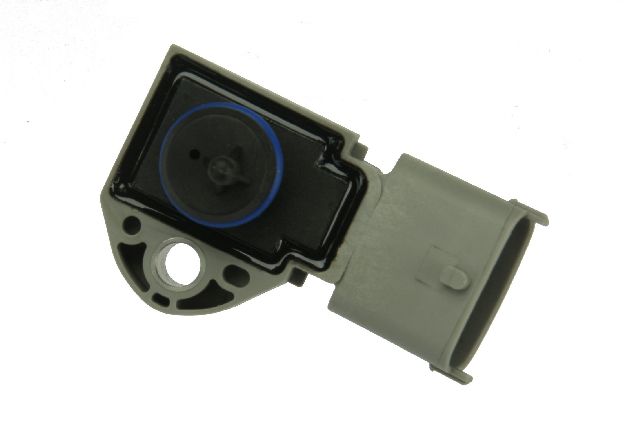
The fuel pressure sensor is located at the end of the fuel rail. The fuel rail is a metal pipe that sits above the engine's intake manifold and supplies fuel to the injectors. The sensor is a small, typically gray or black plastic component held in by a single Torx screw.
Do I need special tools to replace it?
The replacement is relatively simple and requires basic tools. You will need a T25 Torx bit to remove the single retaining screw. Because of the tight space, a small quarter-inch wrench with a T25 bit 🎬 See how to access the sensor in these tight spaces. taped to it is a common method used by DIYers. You should also have rags handy to catch a small amount of spilled fuel.
Is it safe to replace this myself?
Yes, it is a DIY-friendly job for most people, but you must take safety precautions because you are working with the fuel system. Always work on a cold engine. To be extra safe, relieve the fuel pressure first. You can do this by pulling the fuel pump fuse (often fuse #13 or #22 in the fuse box under the passenger side dashboard) and running the engine until it stalls. This depressurizes the system, minimizing fuel spillage when you remove the old sensor.
Can a bad sensor cause a P0089 code?
Yes, a failing fuel pressure sensor is a very common cause of a P0089 (Fuel Pressure Regulator Performance) code on Volvos. This code indicates that the ECM has detected that the fuel pressure is not what it should be. While the code can also be caused by a weak fuel pump or a clogged filter, the sensor itself is a frequent point of failure.
🎬 Watch: Troubleshooting P0089 codes and poor engine performance.Helpful Videos


Technical Specifications
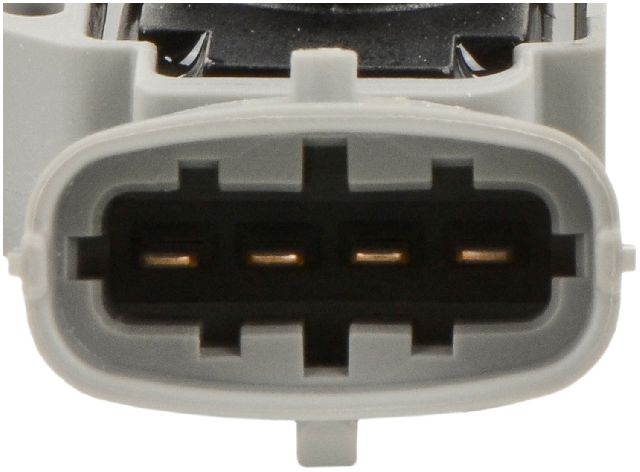
OEM Part Numbers: 31272730 30756097 8699449 30650015
Located on the end of the fuel rail, held by one T25 Torx screw.
We Have This Part in Stock


The information in this article is provided for general reference and educational purposes only. Vehicle specifications, procedures, and part compatibility can vary by production date, trim level, and region. Always consult your vehicle's factory service manual and verify part numbers before purchasing or performing repairs. Safety-critical components such as airbags, seat belts, and braking systems should be installed by a qualified professional.
- Volvo S80: