

A Guide to Replacing the Intercooler Hose on a 2004-2016 Volvo S80
If your turbocharged S80 feels sluggish or is making a hissing sound, a failing intercooler hose is a likely culprit.
- A failing intercooler hose is a common problem on aging S80s, causing power loss and hissing noises.
- Symptoms often include a P0299 underboost code and a Check Engine Light.
- Upgrading to aftermarket silicone hoses from a reputable brand like Gates is often a better long-term solution than replacing with another OEM rubber hose.
- This is a DIY-friendly repair for those with basic tools, which can save you hundreds in labor costs.
Is Your S80 Losing Power? Check the Hoses.
A failing intercooler hose is a common issue on the 2004-2016 Volvo S80 as it ages. The original hoses are made of rubber or plastic that can become brittle, soft, or crack over time. This allows the pressurized air from the turbo to escape, a condition known as a 'boost leak'. This leak starves the engine of the air it needs to perform efficiently, leading to several noticeable problems.
Symptoms of a Bad Intercooler Hose
A bad intercooler hose can make your reliable S80 feel completely different. Here’s what to look out for:
- Loss of Power: The car will feel sluggish and slow to accelerate. This is the most common symptom.
- Hissing or Whooshing Sounds: You may hear a distinct hiss from the engine bay when you accelerate. This is the sound of air escaping from a split in the hose.
- Check Engine Light: A significant leak will often trigger the Check Engine Light. You may see an underboost-related fault code like P0299.
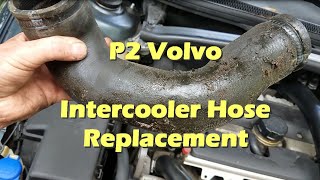
- Visible Damage or Oil: The original hoses often become saturated with oil from the engine's crankcase ventilation system. This causes the rubber to swell, soften, and eventually leak. You might see oily residue on the hose or on components underneath it.
- Black Smoke: In some cases, an incorrect air-fuel mixture caused by a boost leak can lead to black smoke from the exhaust.
Known Issues & Recalls
While there have been Volvo recalls for other components like airbags and coolant hoses on the S80, there are no specific NHTSA recalls or Technical Service Bulletins (TSBs) for the intercooler hoses on the 2004-2016 models. Failure is typically due to age and wear, making it a maintenance issue rather than a manufacturing defect recall.
Choosing the Right Aftermarket Hose
When replacing your intercooler hose, you have a few options. The choice you make can impact both your wallet and the car's long-term reliability.
OEM vs. Aftermarket Quality
The Genuine Volvo parts are what your car came with, and they are known to degrade and fail over time. Aftermarket parts offer a range of quality. Some are simple replacements, while others are performance upgrades. For this part, high-quality aftermarket hoses, especially those made from silicone, are often superior to the original rubber ones. They offer better resistance to heat, oil, and pressure.
Brand Tiers for Your Volvo S80
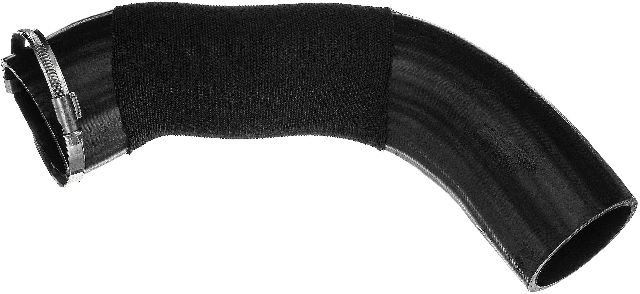
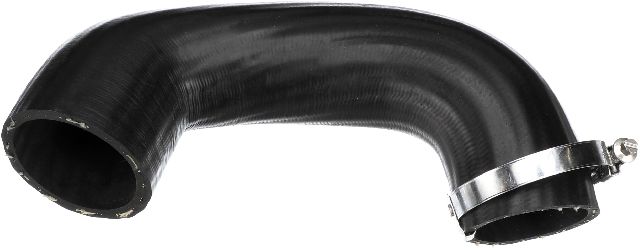
- Premium Aftermarket (Upgrade): Brands like Gates offer hoses made from advanced materials like silicone or AEM rubber that are designed to outlast the original. These are an excellent choice for longevity and peace of mind.
- Standard Aftermarket: Brands like Professional Parts Sweden and Vaico offer direct replacement parts. They are a cost-effective solution to get your car back on the road. However, forum discussions suggest the quality of some budget-focused brands can be inconsistent.
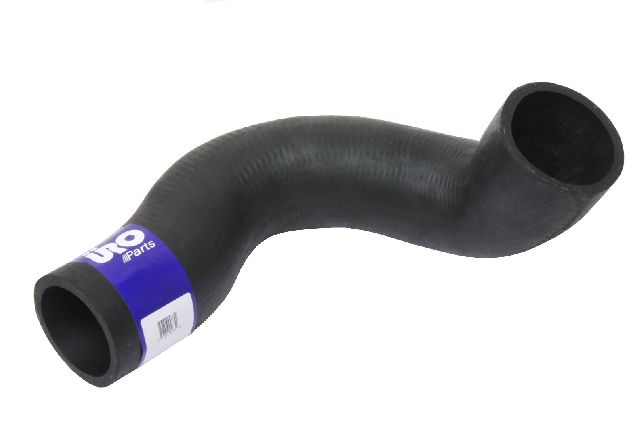
- Economy Tier (Use with Caution): Brands like URO Parts are often the cheapest option. However, Volvo enthusiasts on forums frequently report issues with poor fitment and premature failure with URO hoses. For a critical part like an intercooler hose, it may be wise to invest in a higher-quality brand to avoid future problems.
| Item | Cost Range |
|---|---|
| New OEM Intercooler Hose | $75 - $200 |
| New Aftermarket Intercooler Hose | $23 - $290 |
| Shop Labor | $120 - $250 |
Costs are estimates and can vary based on your location and the specific hose that needs replacement.
Frequently Asked Questions
Can I still drive with a bad intercooler hose?
You can, but it's not recommended for long. Your car will have poor performance, bad fuel economy, and the Check Engine Light will likely be on. Continuing to drive could put extra stress on the turbo and other engine components.
Is replacing an intercooler hose a DIY job?
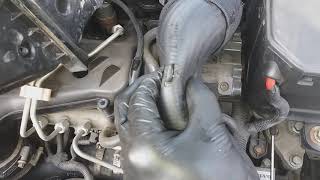
Yes, for many owners with basic tools and mechanical skills, this is a manageable DIY repair. Accessing the clamps and removing the old hose is the main challenge. The lower hose is a common failure point and can often be replaced from underneath the car.
Why is there oil in my intercooler hose?
It's normal for a small amount of oil vapor from the crankcase ventilation (PCV) system to be present in the intake tract of a turbocharged engine. Over many miles, this oil can accumulate and saturate the rubber hoses, causing them to soften and fail.
Should I replace all the intercooler hoses at once?
If one hose has failed due to age, the others are likely in similar condition. While it costs more upfront, replacing all the main intercooler hoses at the same time can be a smart move to prevent another failure down the road. Upgrading to a full silicone hose kit is a popular and durable solution.
Helpful Videos
Technical Specifications
OEM Part Numbers: 30792545 30741795 31370208 8638967
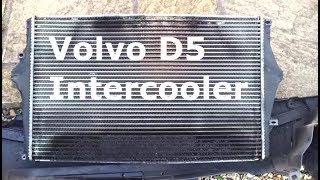
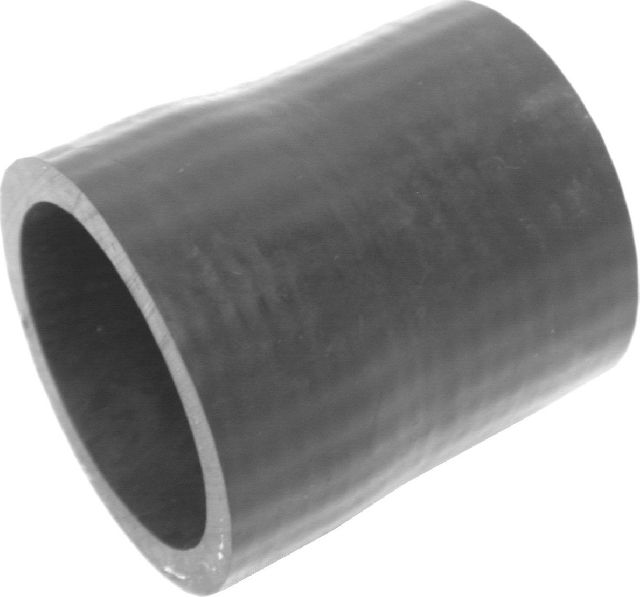
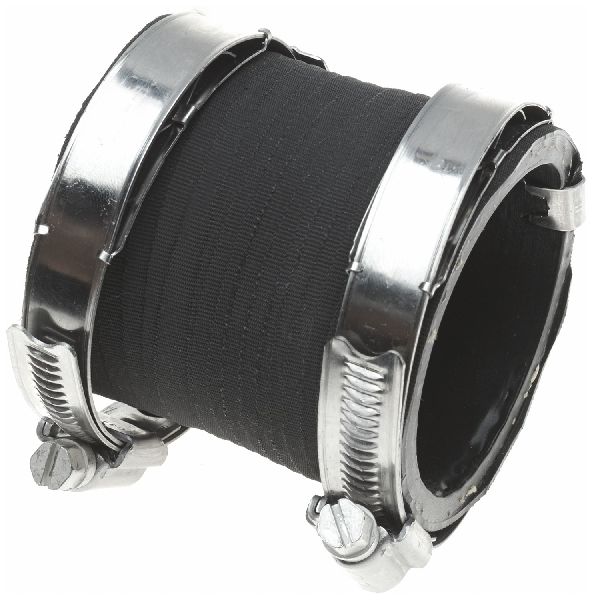
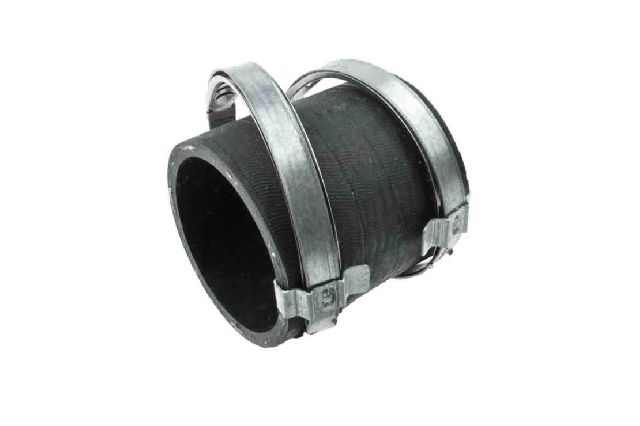
Hoses are typically made from rubber, plastic, Ethylene Acrylate Rubber (AEM), or silicone. They connect the turbocharger outlet to the intercooler and the intercooler outlet to the engine intake manifold. Some hoses may have quick-connect fittings while others use standard hose clamps.
We Have This Part in Stock

The information in this article is provided for general reference and educational purposes only. Vehicle specifications, procedures, and part compatibility can vary by production date, trim level, and region. Always consult your vehicle's factory service manual and verify part numbers before purchasing or performing repairs. Safety-critical components such as airbags, seat belts, and braking systems should be installed by a qualified professional.
- Volvo S80: