

BMW X3 (2004-2017) Engine Oil Level Sensor: A Complete Guide
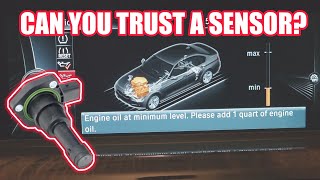
For many X3 owners, the oil level sensor is the only way to check engine oil, making a functional sensor essential.
- On 2011-2017 X3s without a dipstick, a high-quality sensor is not optional; it is essential for engine protection.
- Symptoms include false low oil warnings, malfunction messages, or the inability to get a reading.
- Replacement is straightforward for DIYers and is best done during an oil change to avoid draining the oil twice.
- Before replacing, consider if a software glitch could be the cause, especially if symptoms appear randomly.
Understanding the Engine Oil Level Sensor in Your X3


The engine oil level sensor is more than just a convenience; it's a vital part of your BMW's engine monitoring system. On 2011-2017 models that lack a physical dipstick, you are completely reliant on this sensor to know if your engine has a safe amount of oil. Ignoring a faulty sensor can lead to guesswork when topping off oil, potentially resulting in under-filling or over-filling, both of which can cause serious engine problems. Given its constant exposure to hot oil and extreme temperatures, it's a part that can and does fail over time.
Symptoms of a Failing Oil Level Sensor

When this sensor starts to go bad, your X3 will give you some clear, and sometimes confusing, signals. Here’s what to look for:
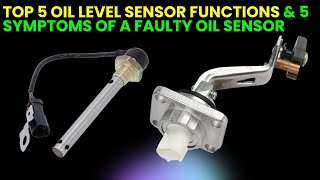
🎬 Watch this breakdown of common symptoms and sensor functions.- Incorrect Oil Level Warnings: The most common symptom is a yellow oil light or a message on the iDrive screen that says the oil level is low, even after you've just changed or topped off the oil. You might also see fluctuating readings, where the level is shown as full one minute and low the next.
- "Oil Level Sensor Malfunction" Message: A direct message telling you the sensor itself has a problem is a clear sign of failure. This means the car's computer can no longer get a reliable signal from the sensor.
- Inability to Get a Reading: When you try to measure the oil level through the iDrive system, the process might get stuck and never complete, sometimes stopping at 15% or 17%. This indicates the system cannot perform the measurement, often due to a faulty sensor.
- No Warning at All: In some cases, the sensor can fail in a way that it simply doesn't report a dangerously low oil level, putting the engine at high risk of damage from oil starvation.
A Note on Software Issues
Occasionally, symptoms like an inability to get a reading or a random malfunction light can be caused by a software glitch, especially on the F25 generation. Some owners have reported that a software update from the dealer resolved the issue without replacing the sensor. If your sensor is failing, it's worth checking for any available Technical Service Bulletins (TSBs) related to the oil monitoring system.
Choosing the Right Aftermarket Sensor

When it's time for a replacement, you have several aftermarket options. The quality can vary, so it's important to choose wisely, especially for a part this critical.
Premium Aftermarket Brands (Higher Confidence)
These brands are often OEM (Original Equipment Manufacturer) suppliers for BMW or other German automakers and have a strong reputation for quality and reliability.
- Vemo: Often considered a high-quality aftermarket choice, Vemo provides parts that are engineered to meet or exceed OEM specifications.
- NGK/NTK: While famous for spark plugs and oxygen sensors, NGK's line of vehicle electronics is well-regarded and a dependable option.
- Hella: A well-known OEM supplier for many BMW electronics. If you find a Hella-branded sensor, it is often identical to the Genuine BMW part.
Standard Aftermarket Brands (Good Value)
These brands offer a solid balance of price and quality and are a reliable choice for most repairs.
- Standard Ignition (SMP): A long-standing company with a reputation for producing dependable replacement parts.
- Facet: An established European brand that produces a wide range of electronic components.
Economy Brands (Use with Caution)
These brands offer the lowest price point, but the quality and longevity can be inconsistent. While tempting for the budget-conscious, a cheap sensor that fails prematurely can be a frustrating experience, especially on a vehicle without a dipstick.
- URO Parts: Known for being a budget-friendly option, but forum discussions often contain mixed reviews regarding the durability of their electronic components.
- Global Parts, Skyward: These fall into the general economy category. The risk of getting a part that fails early or is dead-on-arrival is higher compared to premium brands.
Pro Tip: Match the Connector
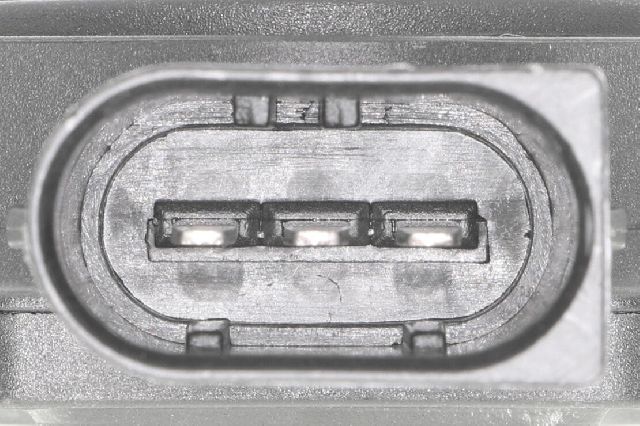
Before ordering, it's a good idea to visually inspect the electrical connector on your existing sensor if possible. Some aftermarket parts may have slight variations in the pin layout or connector shape. Confirming the connector style can save you the hassle of a return.
Cost of Replacing the Engine Oil Level Sensor
| Part Type | Estimated Cost |
|---|---|
| New Aftermarket | $68 - $210 |
| New OEM (Genuine BMW) | $210 - $440 |
| Shop Labor | $100 - $200 |
Note: Labor costs are estimates and can vary based on location and shop rates. The replacement is often done during an oil change, which can save on separate labor costs.
Frequently Asked Questions (FAQ)
Can I replace the X3 oil level sensor myself?
Yes, this is a DIY-friendly job for those comfortable with performing an oil change. The sensor is held by three 10mm nuts on the bottom of the oil pan. The process involves draining the engine oil, removing the underbody splash shield, unplugging and unbolting the old sensor, and then installing the new one before refilling with fresh oil.
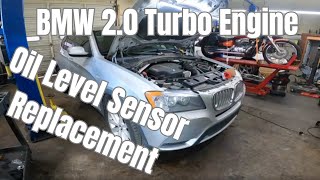
🎬 Follow this step-by-step DIY guide to replace your sensor.My new sensor isn't giving a reading right away. Is it broken?
Not necessarily. After installation, the BMW system needs to meet specific conditions to perform a new measurement, including the engine being at operating temperature and running for several minutes. Drive the car for about 10-15 minutes and then try initiating the measurement again while parked on a level surface.
Are there any recalls for the oil level sensor on the 2004-2017 X3?
No, there are no specific recalls issued by the NHTSA for the engine oil level sensor itself. There have been recalls for other components like fuel pumps on diesel models and software updates for engine management, but the sensor has not been the subject of a direct safety recall.
Why is a quality sensor so important for the 2011-2017 X3?
Because these models do not have a manual dipstick. The electronic sensor is your only way of verifying the engine's oil level. A cheap, unreliable sensor could give you a false sense of security, leading to you driving with low oil and risking catastrophic engine damage.
Helpful Videos
Technical Specifications
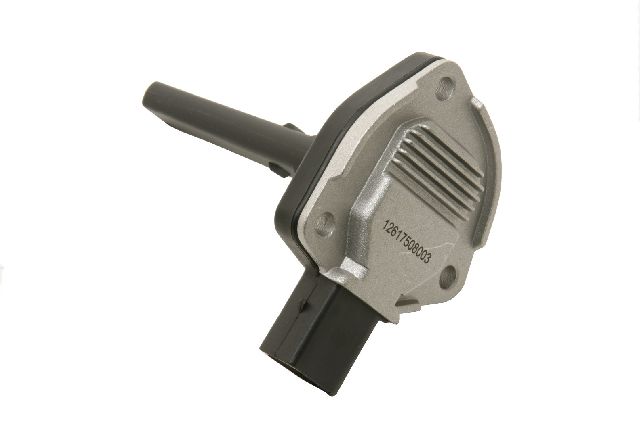
OEM Part Numbers: 12617508003 12617607910 12618638755
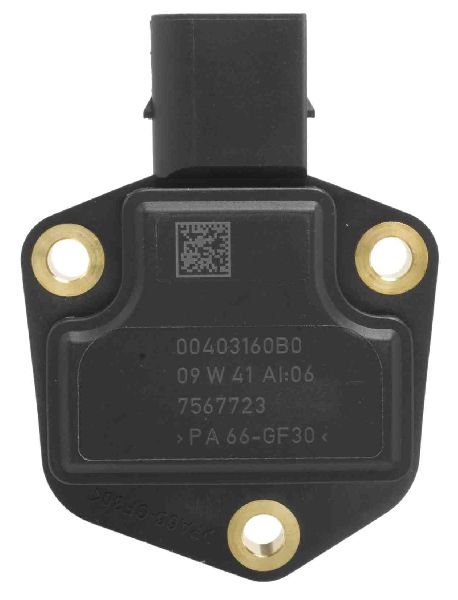
The sensor is located at the bottom of the oil pan and is secured with three 10mm nuts. It uses a 3-pin electrical connector. The part must be compatible with your specific engine (e.g., N20, N52, N55, M54) as the design and calibration can differ.
We Have This Part in Stock


The information in this article is provided for general reference and educational purposes only. Vehicle specifications, procedures, and part compatibility can vary by production date, trim level, and region. Always consult your vehicle's factory service manual and verify part numbers before purchasing or performing repairs. Safety-critical components such as airbags, seat belts, and braking systems should be installed by a qualified professional.
- BMW X3:
- 🎬 Helpful Videos
- 🛍️ Shop This Part
- Understanding the Engine Oil Level Sensor in Your X3
- Symptoms of a Failing Oil Level Sensor
- A Note on Software Issues
- Choosing the Right Aftermarket Sensor
- Premium Aftermarket Brands (Higher Confidence)
- Standard Aftermarket Brands (Good Value)
- Economy Brands (Use with Caution)
- Pro Tip: Match the Connector
- Cost of Replacing the Engine Oil Level Sensor
- Frequently Asked Questions (FAQ)
- 🎟️ Get 5% Off