

Choosing the Right Aftermarket Brake Pads for Your 2004-2017 Dodge Viper
Stop trading braking performance for clean wheels—find the right aftermarket brake pads for your specific driving needs.
- The biggest complaint about stock Viper brake pads is the excessive, corrosive dust; aftermarket ceramic pads are the best solution for street-driven cars.
- Choose your pads based on your use: ceramic for low-dust street driving (Hawk Ceramic, Brembo Ceramic) or performance semi-metallic for spirited driving (Hawk HPS, EBC Yellowstuff).
- Brake systems differ between Viper generations (Gen 3, 4, 5), so you must buy pads that are specified for your exact model year.
- No recalls or TSBs have been issued for the brake pads themselves, but be aware of potential sticking rear parking brake calipers on Gen 3 models.
Signs of Worn Brake Pads on a Viper
Your Viper's braking system will give you clear warnings when the pads are nearing the end of their life. Ignoring these signs can lead to reduced stopping power and costly damage to your brake rotors.
- Squealing or Grinding Noises: A high-pitched squeal when you apply the brakes is often the first sign. It comes from a small metal wear indicator built into the pad. If you hear a harsh grinding sound, it means the pad material is completely gone, and you have metal-on-metal contact, which can destroy your rotors.
- Vibration or Pulsing: If you feel a pulsing in the brake pedal or a vibration in the steering wheel when braking, it could be caused by unevenly worn pads or pad material deposits on the rotors.
- Reduced Stopping Power: If the car takes longer to stop or the brake pedal feels soft and requires more pressure, your pads may be worn out or suffering from "brake fade" due to overheating.
- Visible Thinness: You can often visually inspect the brake pads through your wheel spokes. If the friction material looks to be 1/4 inch thick or less, it's time for a replacement.
- Excessive Brake Dust: While stock Viper pads are known for being dusty, a sudden increase in dust on one wheel compared to the others could signal a problem like a sticking brake caliper.
A Note on Gen 3 (2003-2006) Parking Brakes
Owners of third-generation Vipers should be aware of a known issue where the separate rear parking brake caliper can seize. This causes the inner rear brake pad to wear down completely, often without the driver's knowledge, leading to rotor damage. When performing a brake service, it is crucial to inspect the function of the parking brake caliper.
Choosing the Right Aftermarket Brake Pads
Viper owners typically look for aftermarket pads to solve a specific problem with the OEM Brembo pads: either to reduce the massive amount of brake dust for street driving or to increase heat tolerance for track use. The original pads offer excellent performance but are notoriously dusty. Aftermarket brands provide a wide range of compounds to suit your needs.
Brand & Compound Tiers for the Dodge Viper
Brake pads for the Viper can be grouped into three general categories based on their intended use. Always verify fitment for your specific model year, as brake systems changed between generations (Gen 3, 4, and 5).
Tier 1: High-Performance Street & Light Track Use
These pads offer a great balance of stopping power, heat resistance, and reasonable street manners. They are a significant step up from standard pads and are ideal for spirited driving.
- Hawk Performance HPS: A very popular choice in the Viper community, known for a strong initial bite, low dust compared to stock, and quiet operation.
- EBC Brakes Yellowstuff: Marketed as a pad for street and occasional track use, offering high friction from cold without needing to warm up.
- Brembo Prime: As the typical OEM supplier, Brembo's aftermarket pads offer equivalent or better performance with a focus on quality and reliability.
Tier 2: Low-Dust Ceramic for Street Use
If your main goal is to keep your wheels clean without sacrificing safety for daily driving, ceramic pads are the answer. They produce a light-colored, non-corrosive dust that is far less noticeable.
- Hawk Performance Ceramic: A go-to option for Viper owners who want to eliminate the heavy black dust from OEM pads for street driving.
- Powerstop / Centric: These brands offer well-regarded ceramic pad options that provide a good combination of low dust, quiet operation, and reliable stopping for street use.
- Wagner Brake: Some owners have used Wagner's ceramic pads as a cost-effective solution for reducing dust in daily driving scenarios.
What About Track-Only Pads?
Dedicated track pads like Hawk HP Plus or Porterfield R4 are also available. While they provide incredible stopping power at high temperatures, they are not recommended for street use. They are very noisy, create aggressive dust, and can wear rotors quickly when used cold.
Cost of New Disc Brake Pad Sets for a 2004-2017 Dodge Viper
| Category | Price Range | Notes |
|---|---|---|
| New Aftermarket | $32 - $485 | The wide range reflects the difference between standard ceramic pads and high-performance track-focused compounds. Brands like Hawk and EBC are popular choices. |
| New OEM (Brembo) | $300 - $600+ | Offers excellent performance but is known for producing a lot of brake dust. |
| Shop Labor | $150 - $300 | This is for replacing pads on one axle (front or rear). Prices vary by location and shop. |
Frequently Asked Questions (FAQ)
Do I need to replace my rotors with my brake pads?
Not always, but it is highly recommended. If your rotors are smooth, free of deep grooves, and measure above the minimum thickness specification, they can sometimes be reused. However, installing new pads on a worn or uneven rotor surface can lead to noise, vibration, and reduced pad life. For a high-performance car like the Viper, replacing pads and rotors together ensures the best possible performance and safety.
What's the difference in brakes between Viper generations?
The 2004-2017 period covers three Viper generations. Gen 3 (2004-2006) had a specific Brembo setup. Gen 4 (2008-2010) received an upgraded brake system along with its engine improvements. Gen 5 (2013-2017) featured further refined Brembo brakes, with top-tier ACR models getting massive carbon-ceramic brakes. It is critical to buy pads listed for your exact year and model, as calipers and pad shapes can differ.
Are ceramic pads good enough for a Viper?
For street driving, yes. High-quality ceramic pads from brands like Hawk or Brembo provide excellent stopping power for daily use and have the major benefit of drastically reducing brake dust. However, they are not intended for track use, where they can overheat and fade under repeated, heavy braking.
Why are my new brake pads so noisy?
Noise from new pads can come from a few sources. High-performance, semi-metallic pads can be inherently noisier than ceramic or OEM pads. Improper "bedding-in" of the pads can also cause noise. The bedding process involves a series of controlled stops to mate the new pad material to the rotor surface. Finally, failing to clean and lubricate caliper hardware during installation can lead to vibrations that cause squeal.
Technical Specifications
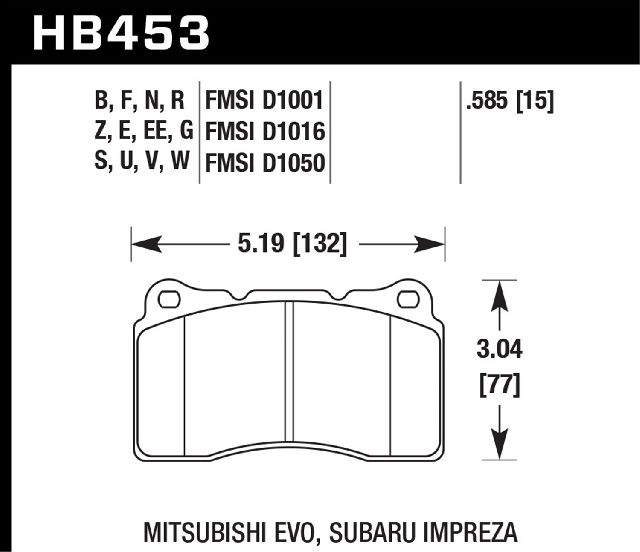
Brake systems are primarily Brembo multi-piston fixed calipers. Pad shape and size vary significantly between Gen 3 (2004-2006), Gen 4 (2008-2010), and Gen 5 (2013-2017) models. Some rear calipers require a piston rewind tool for retraction.
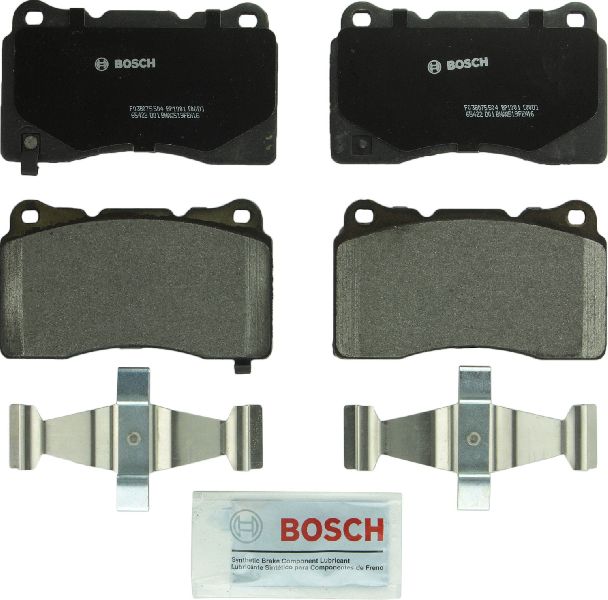
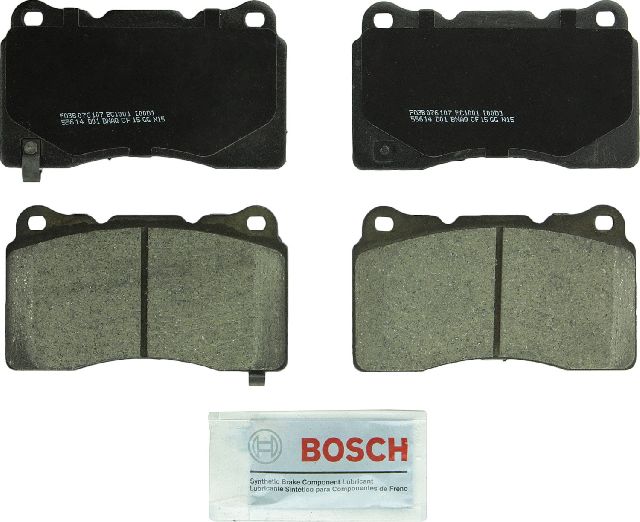
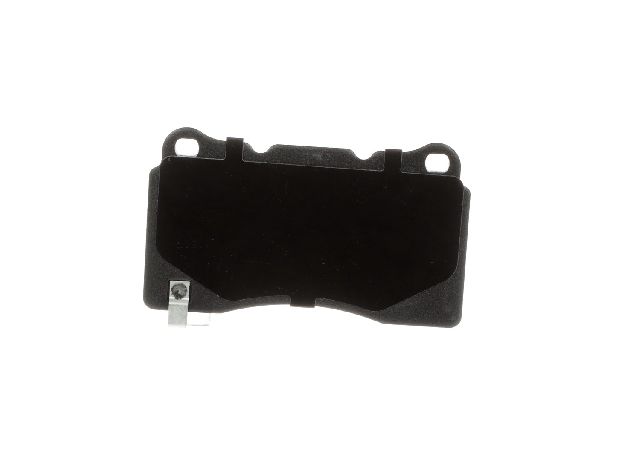
We Have This Part in Stock


The information in this article is provided for general reference and educational purposes only. Vehicle specifications, procedures, and part compatibility can vary by production date, trim level, and region. Always consult your vehicle's factory service manual and verify part numbers before purchasing or performing repairs. Safety-critical components such as airbags, seat belts, and braking systems should be installed by a qualified professional.
- Dodge Viper:
- 🛍️ Shop This Part
- Signs of Worn Brake Pads on a Viper
- A Note on Gen 3 (2003-2006) Parking Brakes
- Choosing the Right Aftermarket Brake Pads
- Brand & Compound Tiers for the Dodge Viper
- What About Track-Only Pads?
- Cost of New Disc Brake Pad Sets for a 2004-2017 Dodge Viper
- Frequently Asked Questions (FAQ)
- 🎟️ Get 5% Off