

A Practical Guide to the 2004-2018 Mazda 3 Suspension Control Arm
Hearing clunks or feeling steering wander? Your Mazda 3's control arms might be the problem.
- A clunking noise over bumps is the #1 sign of a failing control arm on a Mazda 3.
- Always get a wheel alignment immediately after replacing control arms to prevent tire damage.
- Replacing control arms in pairs (left and right) is strongly recommended for safety and balanced handling.
- For most owners, buying a complete control arm assembly is much more practical than trying to replace individual bushings.
Signs of a Failing Control Arm

A bad control arm doesn't usually fail suddenly. It will give you warning signs. The most common complaint from Mazda 3 owners is a clunking or knocking sound from the front suspension, especially when going over bumps or making sharp turns. You might also feel vibrations in the steering wheel, or the car may feel like it's wandering and requires constant correction to drive straight. A visual inspection can reveal torn rubber bushings or a damaged ball joint boot.
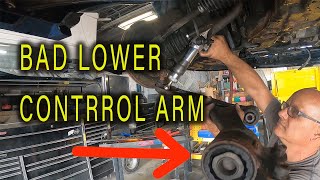
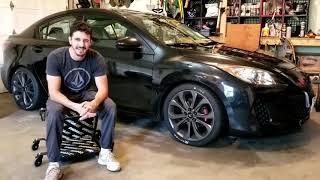
🎬 Watch: How to diagnose and repair common control arm symptoms.Don't Ignore the Noise
🎬 See how to track down that annoying front-end knocking sound.While a clunking sound is annoying, it's also a serious safety warning. A completely failed control arm can cause a loss of steering control. It's important to get the problem diagnosed and fixed promptly.
Common Issues and Recalls

For the 2004-2018 Mazda 3, control arm wear is a common issue, especially on higher mileage cars (over 100,000 miles). The rubber bushings crack and tear, and the ball joints wear out. Rust can be a major problem in areas that use road salt, accelerating wear. While there are no widespread recalls specifically for the control arms on these models, a related recall for earlier models addressed the subframe attachment point, which could corrode and cause the control arm to separate. A Technical Service Bulletin (TSB) was also issued for 2014-2018 models for a creaking noise from the front lower arm bushing, with a modified part available. However, the TSB notes the fix may increase road noise.
Choosing the Right Aftermarket Part

When your original control arms wear out, you have a choice between OEM (Original Equipment Manufacturer) and aftermarket parts. OEM parts are expensive. Aftermarket parts offer a wide range of quality and price, making them a popular choice.
Brand Tiers for Your Mazda 3
- Premium / Heavy-Duty (Better than OEM): Brands like Moog (Problem Solver series) and Mevotech (TTX or Supreme series) are often considered upgrades. They may feature stronger materials, improved designs, and greaseable ball joints, which allow you to maintain them for a longer life. These are a great choice if you want maximum durability.
- OEM-Equivalent (Good Quality): Brands like Delphi, Beck Arnley, and Febi focus on matching the original part's fit and performance. They are solid, reliable choices for a standard replacement without the high dealer price tag.
- Performance-Oriented: Whiteline and Nolathane are known for their polyurethane bushings. These provide a stiffer ride and more responsive handling. They are for the owner who wants to improve performance, but they will transmit more road noise and vibration than standard rubber bushings.
- Economy / Standard: Brands like Dorman, Suspensia, and Ackoja offer a budget-friendly solution. Dorman is a widely available option and can be a decent factory replacement, though some users report mixed experiences with longevity. These are best for drivers on a tight budget who need to get their car back on the road safely.
Pro Tip: Replace the Whole Arm
While it's sometimes possible to press out old bushings and press in new ones, it's almost always more cost-effective and easier to replace the entire control arm assembly. The new arm comes with fresh bushings and a new ball joint already installed, saving significant labor time.
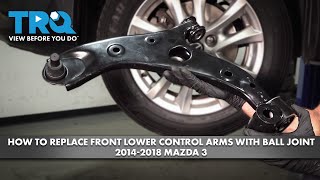
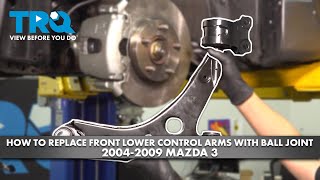
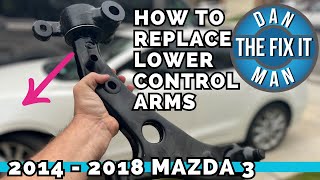
🎬 Follow this step-by-step replacement guide with essential torque specs.Cost to Replace a Mazda 3 Control Arm

| Item | Estimated Cost |
|---|---|
| New Aftermarket Control Arm (Part Only) | $28 - $396 |
| New OEM Control Arm (Part Only) | $170 - $400+ per arm |
| Shop Labor | $170 - $300 |
| Total Professional Replacement (Aftermarket Part) | $200 - $700 per side |
| Wheel Alignment (Required after replacement) | $80 - $150 |
Frequently Asked Questions (FAQ)
Should I replace control arms in pairs?
Yes, it is highly recommended to replace both the left and right control arms at the same time. If one side has failed due to age and mileage, the other side is likely not far behind. Replacing them in pairs ensures balanced handling and suspension performance, and you'll save money by only needing one wheel alignment.
Do I need a wheel alignment after replacing control arms?
Yes, absolutely. Replacing a control arm will change your vehicle's suspension geometry. A wheel alignment is required to ensure your car drives straight and to prevent rapid, uneven tire wear. Do not skip this step.
What's the difference between front and rear control arms on my Mazda 3?
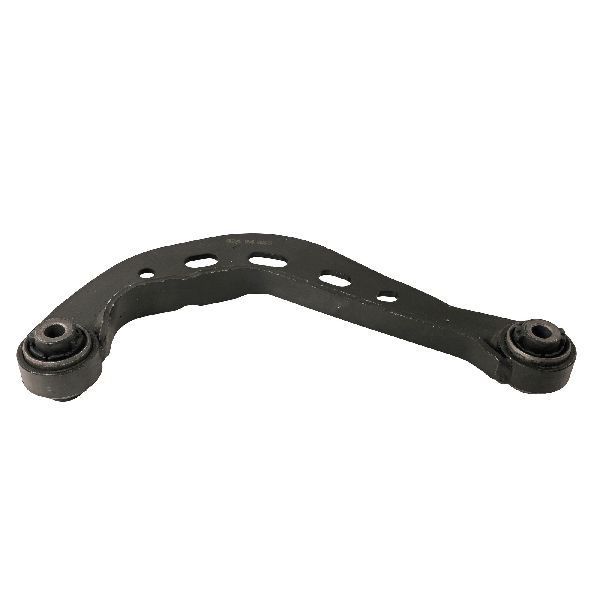
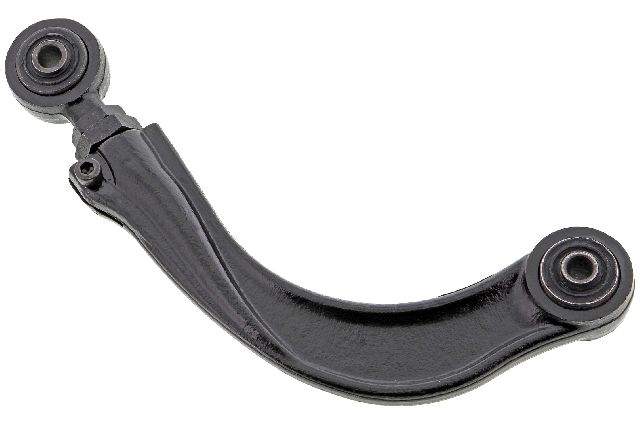
The Mazda 3 uses a more complex multi-link suspension in the rear. It has several "arms" or "links" that control wheel movement. The large, A-shaped arms discussed in this article are typically the front lower control arms, which are the most common ones to fail. If you have a noise from the rear, you may need to replace one of the smaller rear links.
Can I just replace the ball joint or bushings?
On the Mazda 3, the front ball joint and bushings are technically replaceable, but it requires special tools like a hydraulic press. The labor cost to do this often exceeds the cost of a complete new control arm assembly. For most people, replacing the entire arm is the smarter, faster, and often cheaper repair.
Helpful Videos
Technical Specifications
OEM Part Numbers: B32H-34-350E (Left, 2004-2009) B32H-34-300E (Right, 2004-2009) BBM2-34-350 (Left, 2010-2013) BBM2-34-300 (Right, 2010-2013) B45A-34-350 (Left, 2014-2018) B45A-34-300 (Right, 2014-2018)
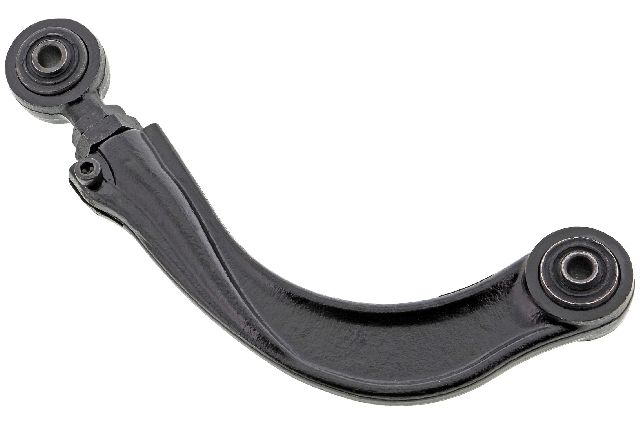
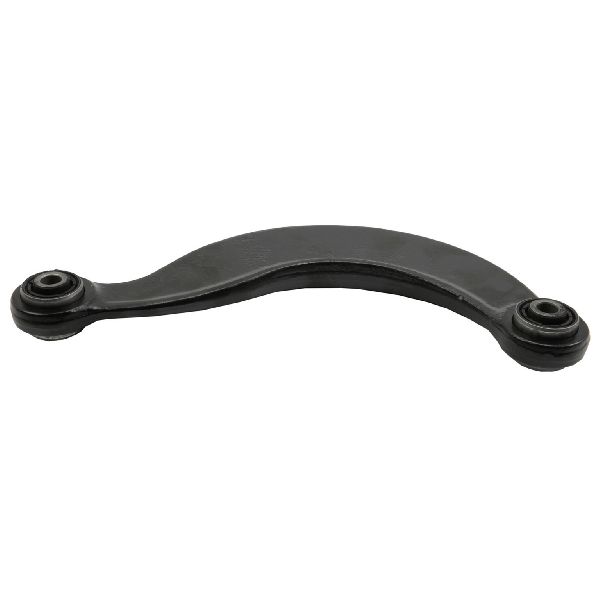
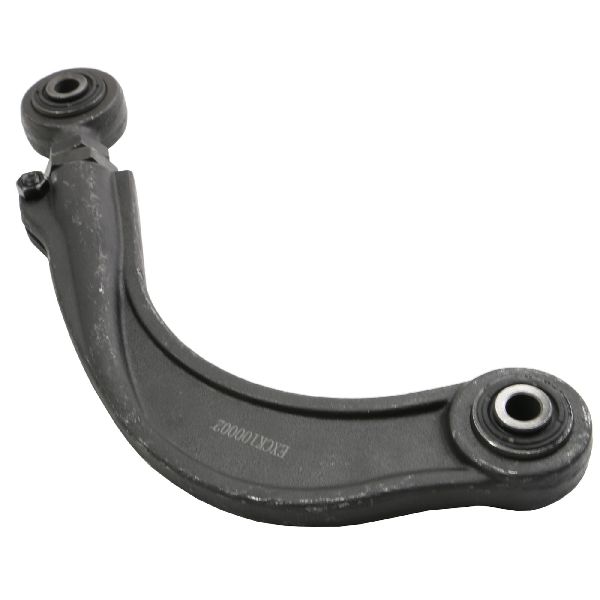
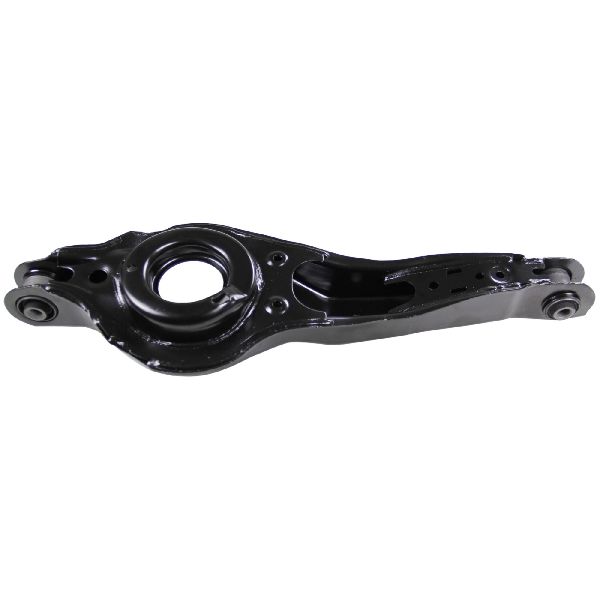
The front suspension on the 2004-2018 Mazda 3 is a MacPherson strut design. The lower control arm is typically an A-shaped or L-shaped stamped steel or cast component with two bushings that attach to the subframe and one ball joint that connects to the steering knuckle. Part numbers vary significantly by generation (2004-09, 2010-13, 2014-18) and sometimes by manufacturing location (Japan or Mexico built), so verifying fitment is critical.
We Have This Part in Stock

The information in this article is provided for general reference and educational purposes only. Vehicle specifications, procedures, and part compatibility can vary by production date, trim level, and region. Always consult your vehicle's factory service manual and verify part numbers before purchasing or performing repairs. Safety-critical components such as airbags, seat belts, and braking systems should be installed by a qualified professional.
- Mazda 3: