

Guide to Replacing Your 2004-2019 Mazda 3 Suspension Stabilizer Bar Links
Eliminate that annoying clunking noise over bumps and restore your Mazda 3's sharp handling.
- The most common symptom of failure is a clunking noise from the suspension when going over bumps.
- This is a common wear-and-tear item; no recalls have been issued for this specific part on the 2004-2019 Mazda 3.
- Always replace stabilizer links in pairs (both front or both rear) to ensure balanced handling.
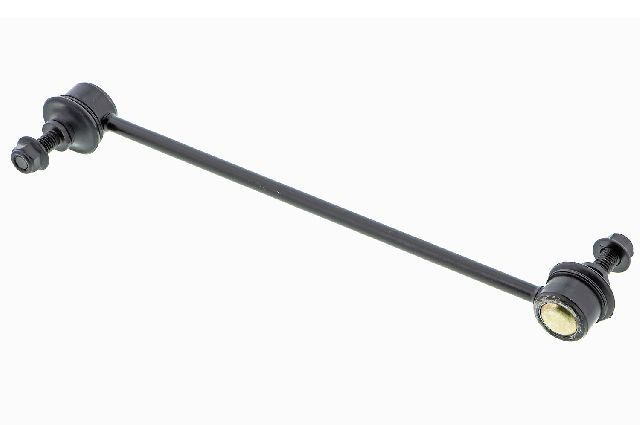
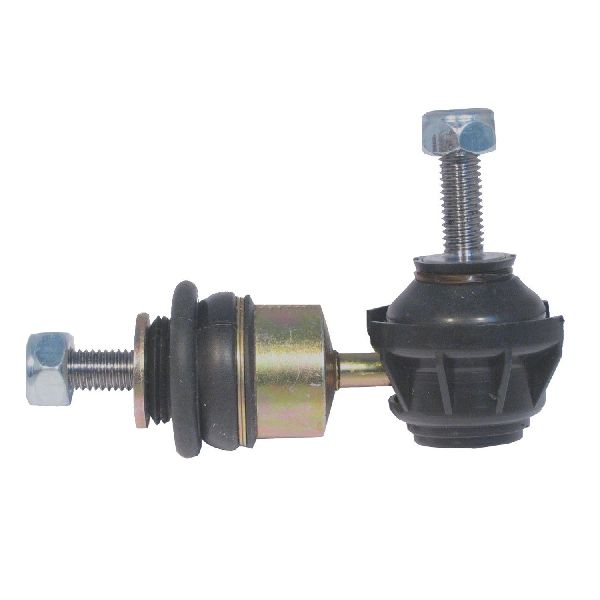
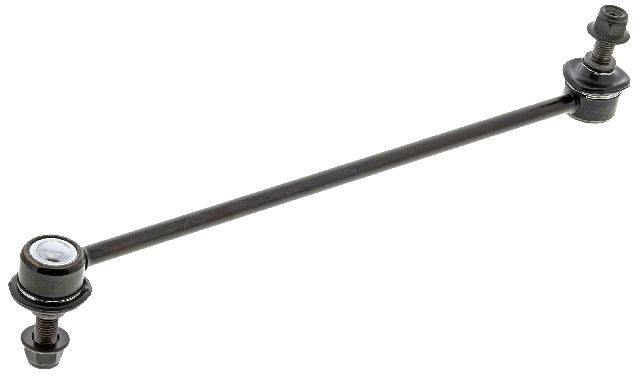
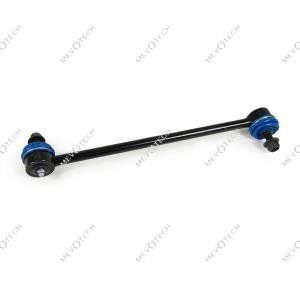
- Aftermarket links from brands like Delphi or Mevotech Supreme offer good quality, and many have improved designs that are easier to install than OEM.
Is Your Mazda 3 Making a Clunking Noise?

The most common sign of a failing stabilizer bar link is a distinct clunking or rattling sound from the front or rear of your car. This noise is most noticeable when driving at lower speeds over bumps, uneven roads, or turning into a driveway. 🎬 Watch: How to diagnose that clunking sound on a Mazda 3. The sound comes from worn-out joints inside the link that have developed excessive play, causing them to knock against other metal parts. You might also notice your car leans more than usual during turns or that the steering feels less precise.
Known Issues for the 2004-2019 Mazda 3
There are no specific recalls or Technical Service Bulletins (TSBs) from Mazda for stabilizer bar link failure on these models. Failure is a common maintenance issue that happens due to normal wear and tear of the internal ball joints. The original OEM links can sometimes be difficult to remove because they use an internal hex (Allen) key to hold the stud, which can strip out easily, especially if rusted.
Choosing the Right Aftermarket Stabilizer Link

When shopping for new stabilizer bar links, you have several options ranging from budget-friendly replacements to performance upgrades. For a daily-driven Mazda 3, a quality standard replacement is usually sufficient. Performance links are typically only needed for lowered or track-focused cars.
Brand Quality Tiers
- Premium & Performance Aftermarket (Whiteline, Nolathane, Mevotech TTX): These brands offer heavy-duty, often adjustable links. Whiteline and Nolathane are performance-focused brands that use polyurethane bushings for a stiffer feel. Mevotech's premium "TTX" line is also considered a durable upgrade. These are excellent for modified or aggressively driven cars but may be overkill for a standard daily driver.
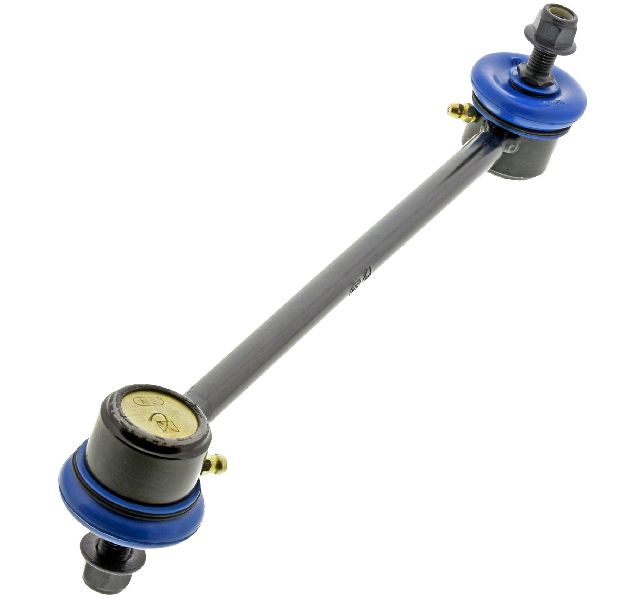
- OEM-Equivalent Aftermarket (Delphi, Moog Problem Solver, Mevotech Supreme): These brands aim to meet or exceed original factory quality. Delphi is often cited as a high-quality option for the money. Moog's "Problem Solver" series and Mevotech's "Supreme" line are also well-regarded, often featuring improvements like grease fittings or easier-to-install designs with wrench flats.
- Standard/Economy Aftermarket (Dorman, Moog R-Series, base-level Mevotech): These are budget-friendly options that will get the job done. While they are an affordable fix, their long-term durability may not match that of OEM or premium aftermarket parts.
| Quality Tier | Common Brands | Estimated Price (Per Pair) |
|---|---|---|
| Economy | Dorman, Store Brands | $27 - $70 |
| OEM-Equivalent | Delphi, Mevotech Supreme, Moog Problem Solver | $50 - $120 |
| Performance/Heavy-Duty | Whiteline, Nolathane, Mevotech TTX | $120 - $246 |
Pro Tip: Replace in Pairs
It is highly recommended to replace stabilizer bar links in pairs (both front links or both rear links at the same time). Since they wear at a similar rate, replacing just one can lead to unbalanced handling and you'll likely need to replace the other one soon anyway.
Frequently Asked Questions (FAQ)

Do I need a wheel alignment after replacing stabilizer links?
No. Replacing the stabilizer bar links does not change your car's alignment angles (camber, caster, or toe). An alignment is not necessary after this specific repair.
Can I install these myself?
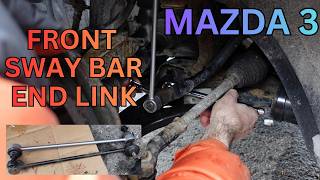
Yes, this is a very DIY-friendly job for someone with basic tools and jack stands. The process involves removing the wheel, unbolting the two nuts 🎬 See this walkthrough for replacing front sway bar links. holding the old link, and installing the new one. Many aftermarket links include wrench flats on the stud, making them easier to install than the factory parts.
Should I choose a link with a grease fitting?
Some aftermarket links (like certain Moog models) come with grease fittings (zerks) that allow you to add fresh grease periodically. This can help flush out contaminants and extend the life of the joint, but only if you remember to grease them during oil changes. A high-quality sealed link is often just as durable and requires no maintenance.
What's the difference between front and rear links?
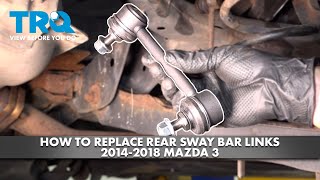
Front and rear stabilizer links are not interchangeable. They have different lengths and sometimes different designs to fit the specific suspension setup at each end of the car. 🎬 Watch: Step-by-step guide for replacing rear stabilizer links. Always ensure you are ordering the correct part for the front or rear as needed.
Helpful Videos
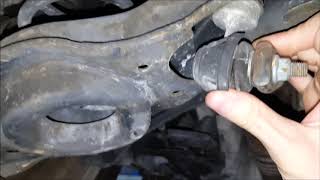
![[HD 1080p] How To Replace 04-13 Mazda 3 Front Sway Bar Links](https://img.youtube.com/vi/87MjA_Bg4gw/mqdefault.jpg)
Technical Specifications
OEM Part Numbers: BBM2-34-170A B45A-34-170 BADE-34-150 BP4K-28-170H
Varies by generation and position (front/rear). First generation (2004-2009) links differ from second (2010-2013) and third (2014-2018) generation links. Always verify fitment for your specific year.
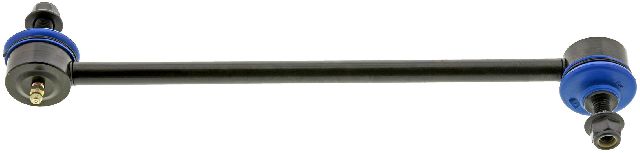
We Have This Part in Stock

The information in this article is provided for general reference and educational purposes only. Vehicle specifications, procedures, and part compatibility can vary by production date, trim level, and region. Always consult your vehicle's factory service manual and verify part numbers before purchasing or performing repairs. Safety-critical components such as airbags, seat belts, and braking systems should be installed by a qualified professional.
- Mazda 3: