

Chevrolet Camaro Coolant Temperature Sensor Guide for 2004-2021 Models
Is your Camaro's temperature gauge acting up or are the cooling fans always running? Your coolant sensor might be the problem.
- A faulty coolant sensor can cause an illuminated check engine light, constant fan operation, and poor engine performance.
- For V6 models, a P0128 trouble code is often caused by a bad thermostat, not the sensor. It's wise to replace both simultaneously.
- Replacement is easy on V8/I4 engines but very difficult on the V6, as the intake manifold must be removed.
- Stick with OEM (ACDelco) or reputable aftermarket brands like Delphi or Standard Motor Products for this critical part to ensure accuracy.
Understanding the 2004-2021 Year Range
First, it's important to clarify the model years. The Chevrolet Camaro was not produced between 2003 and 2009. Production of the fourth generation ended in 2002, and the fifth generation was introduced for the 2010 model year. This guide applies to the fifth generation (2010-2015) and sixth generation (2016-2021) Camaros.
Symptoms of a Failing Coolant Temperature Sensor

A bad coolant sensor can cause a variety of issues because the engine's computer receives incorrect information. Here are the most common signs of failure:
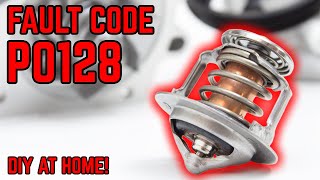
🎬 Watch: 8 symptoms of a bad sensor you shouldn't ignore.- Check Engine Light: This is often the first indicator. Common trouble codes include P0117 (Sensor Circuit Low Voltage), P0118 (Sensor Circuit High Voltage), and P0128 (Coolant Temperature Below Thermostat Regulating Temperature).
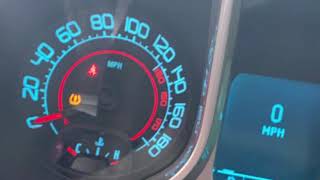
- Inaccurate Temperature Gauge: The gauge on your dashboard may read cold all the time, jump around erratically, or show that the engine is overheating when it isn't.
- Cooling Fans Run Constantly: As a fail-safe, the car's computer may run the cooling fans at full speed continuously, even when the engine is cold, to prevent potential overheating.
- Poor Engine Performance: You might experience a rough idle, hesitation, or a decrease in power.
- Reduced Fuel Economy: If the computer thinks the engine is always cold, it will enrich the fuel mixture, leading to more fuel consumption.
A Note on Code P0128
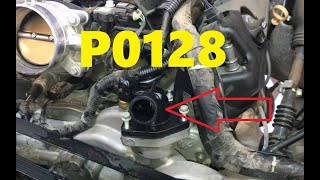
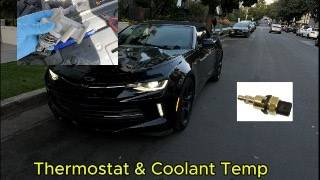
For many Camaro owners, especially with the 3.6L V6 engine, the P0128 code is frequently caused by a faulty thermostat that is stuck open, not the sensor itself. Since replacing the sensor on the V6 is a difficult job, it is highly recommended to replace the thermostat at the same time.
🎬 See this detailed P0128 fix for the 3.6L V6 engine.Choosing the Right Aftermarket Sensor

For a critical component like the coolant temperature sensor, quality matters. While an OEM sensor from ACDelco is always a safe choice, high-quality aftermarket brands offer reliable performance at a better price.
- Premium Aftermarket (Recommended): Brands like Delphi and Standard Motor Products (SMP) are well-regarded. Delphi was an original equipment supplier for GM, and their parts are often identical to the factory component. SMP is another trusted name that produces reliable sensors.
- Economy Brands: While very inexpensive, economy or unbranded sensors are not recommended. There are reports of these parts failing quickly or providing inaccurate readings, which can lead to the same problems you were trying to fix and potentially cause engine damage.
| Part Type | Estimated Cost |
|---|---|
| New OEM (ACDelco) | $15 - $30 |
| New Aftermarket (Replacement) | $20.68 |
| Shop Labor | $50 - $350 (Varies by engine) |
DIY Replacement Varies by Engine
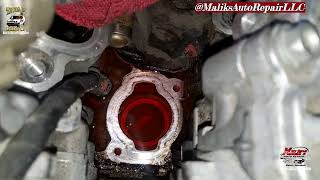
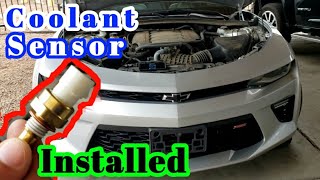
Replacing the coolant sensor is a straightforward job on V8 and 4-cylinder models, often taking less than an hour. However, on the 3.6L V6, the sensor is located under the intake manifold, making it a much more involved 2-3 hour job that requires significant disassembly.
Frequently Asked Questions

Where is the coolant temperature sensor located on my Camaro?
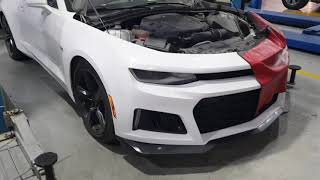
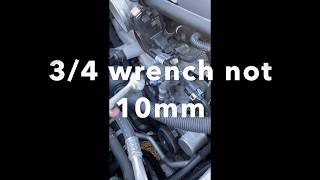
The location varies by engine. On V8 models (like the SS), it's typically on the driver's side cylinder head, making it relatively easy to access. 🎬 Watch: How to replace the sensor on a Camaro SS. On 3.6L V6 models, it is located in the valley between the cylinder heads, underneath the intake manifold. On 4-cylinder turbo models, it is often in the thermostat housing on the firewall side of the engine.
Can I replace the coolant sensor myself?
Yes, this is a feasible DIY job for many owners, especially on V8 and 4-cylinder engines. For the V6 engine, the replacement is much more complex due to the need to remove the intake manifold and should only be attempted by those with more mechanical experience.
Do I need to drain the coolant to replace the sensor?
You don't need to drain the entire system, but some coolant will leak out when you remove the old sensor. It's best to have the new sensor ready to screw in quickly to minimize loss. Work on a cold engine to avoid burns and have some extra coolant on hand to top off the system afterward.
Are there any recalls for the Camaro coolant temperature sensor?
As of early 2026, there are no specific recalls or widespread Technical Service Bulletins (TSBs) from GM or the NHTSA for the engine coolant temperature sensor on the 2010-2021 Camaro. Most issues are related to individual component failure.
Helpful Videos
Technical Specifications
OEM Part Numbers: 19236568 213-4514
Thread Size: M12 x 1.5, 2-Pin Connector

The information in this article is provided for general reference and educational purposes only. Vehicle specifications, procedures, and part compatibility can vary by production date, trim level, and region. Always consult your vehicle's factory service manual and verify part numbers before purchasing or performing repairs. Safety-critical components such as airbags, seat belts, and braking systems should be installed by a qualified professional.
- Chevrolet Camaro: