

Jeep Gladiator 2020-2022 Engine Oil Pressure Switch and Sensor Guide
Dealing with an erratic oil pressure gauge or a P0520 code on your Gladiator's 3.6L engine?
- A failing oil pressure sensor on a Gladiator typically causes an erratic gauge and may trigger a P0520 trouble code.
- The sensor is located under the intake manifolds, making replacement a difficult, labor-intensive job.
- It is highly recommended to replace the entire oil cooler/filter housing assembly at the same time, as it is a common failure point.
- Never drive a vehicle with a suspected oil pressure problem, as it could lead to severe engine damage.
Is Your Gladiator's Oil Pressure Gauge Acting Up?

A faulty engine oil pressure sensor is a known issue on the 3.6L Pentastar engine, which powers the Jeep Gladiator. While the sensor itself can fail, the symptoms can point to other issues, so it's important to diagnose the problem correctly. The most common sign of a bad sensor is an oil pressure gauge that behaves erratically, dropping to zero, maxing out, or flickering while you drive. You may also get a "Check Engine" light on your dashboard.
Symptoms of a Failing Oil Pressure Sensor

Keep an eye out for these common signs of failure. Because a loss of oil pressure can destroy your engine, you should not drive the vehicle if you suspect a serious problem.
- Erratic Gauge Readings: The oil pressure needle may bounce around, read extremely high, or drop to zero intermittently.
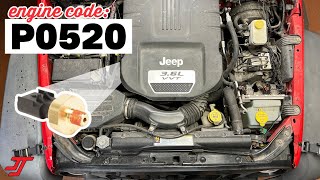
- Check Engine Light: A common trouble code associated with a failing sensor is P0520 (Engine Oil Pressure Sensor/Switch Circuit). 🎬 Watch this guide on fixing the P0520 trouble code.
- Low Oil Pressure Warning: The dashboard warning light or message may appear, even if the oil level is correct.
- Limp Mode: In some cases, the vehicle may enter a reduced power "limp mode" to protect the engine when it receives a faulty low-pressure signal.
A Critical Location and a Common Problem
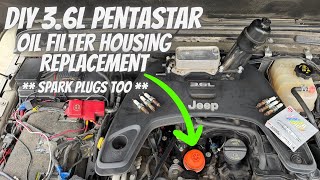
On the Gladiator's 3.6L V6, the oil pressure sensor is not easily accessible. It's located deep in the engine valley, underneath the upper and lower intake manifolds, as part of the oil cooler and filter housing assembly. This entire plastic housing is a known failure point, often developing cracks and leaks over time. Because the labor to remove the intake manifolds is the same whether you're replacing just the sensor or the whole assembly, many mechanics recommend replacing the entire oil cooler housing unit 🎬 Follow this DIY walkthrough to replace the entire housing assembly. at the same time. This prevents you from having to pay for the same difficult job twice if the housing fails later.
Choosing a Replacement: OEM vs. Aftermarket

When it's time to replace the part, you have a choice between Original Equipment Manufacturer (OEM) and aftermarket parts.
- OEM Mopar: An OEM Mopar sensor is a direct replacement for the part your Gladiator was built with. It guarantees perfect fit and function. Given the complexity of the replacement job, using an OEM part provides peace of mind that you won't have to do the job again due to a faulty part.
- Aftermarket (e.g., Standard Ignition): Quality aftermarket brands like Standard Ignition (also known as Standard Motor Products) are a reliable alternative. They specialize in producing replacement parts that meet or exceed OEM specifications and are trusted by professional technicians. An aftermarket sensor can offer a significant cost saving without sacrificing quality, but it's crucial to choose a reputable brand.
Cost to Replace a Jeep Gladiator Oil Pressure Sensor
The cost can vary significantly based on whether you do the work yourself and if you replace just the sensor or the entire oil cooler assembly.
| Part Type | Estimated Cost |
|---|---|
| New OEM (Mopar) Sensor | $55 - $95 |
| New Aftermarket Sensor (Standard Ignition, etc.) | $40 - $95 |
| Shop Labor (Sensor Only) | $250 - $450 |
| Total Professional Repair | $305 - $545+ |
Note: Costs are estimates and can vary by location and supplier. Labor costs are for sensor replacement only and will be higher if replacing the entire oil cooler assembly.
Frequently Asked Questions (FAQ)

Can I drive my Gladiator with a bad oil pressure sensor?
No. The sensor's reading is the only way to know if your engine has proper oil pressure. If the sensor is faulty, it could be masking a real low-pressure situation that could cause catastrophic engine failure. It is not safe to drive until the issue is diagnosed and repaired.
Where is the oil pressure sensor on a Jeep Gladiator?
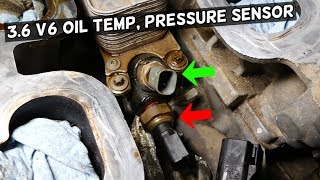
On the 3.6L V6 engine, the oil pressure sensor is located on the oil filter housing/cooler assembly, which sits in the valley of the engine between the two cylinder heads, underneath the intake manifolds. 🎬 See exactly where the sensor is located on the engine. It is the lower of two sensors on the back of the housing.
What is the difference between an oil pressure switch and a sensor?
A traditional "switch" is a simple on/off device that only indicates if the pressure is above or below a single set point (triggering an "idiot light"). A "sensor" or "sending unit" is more advanced, providing a variable reading that allows the gauge on your dashboard to show the actual pressure level. Your Gladiator uses a sensor.
Is there a recall for the Jeep Gladiator oil pressure sensor?
As of late 2024, there are no specific recalls for the engine oil pressure sensor on the 2020-2022 Jeep Gladiator. However, Technical Service Bulletins (TSBs) have been issued for other vehicles using the same 3.6L engine for the P0520 trouble code, indicating a history of sensor issues.
Helpful Videos


Technical Specifications
OEM Part Numbers: 68334877AA 68499061AA 68283346AD
The oil pressure sensor for the 3.6L V6 is located on the oil cooler assembly in the engine valley. It is a 3-pin sensor that provides a variable voltage signal to the ECU.
We Have This Part in Stock


The information in this article is provided for general reference and educational purposes only. Vehicle specifications, procedures, and part compatibility can vary by production date, trim level, and region. Always consult your vehicle's factory service manual and verify part numbers before purchasing or performing repairs. Safety-critical components such as airbags, seat belts, and braking systems should be installed by a qualified professional.
- Jeep Gladiator:
- 🎬 Helpful Videos
- 🛍️ Shop This Part
- Is Your Gladiator's Oil Pressure Gauge Acting Up?
- Symptoms of a Failing Oil Pressure Sensor
- A Critical Location and a Common Problem
- Choosing a Replacement: OEM vs. Aftermarket
- Cost to Replace a Jeep Gladiator Oil Pressure Sensor
- Frequently Asked Questions (FAQ)
- 🎟️ Get 5% Off