

Ford GT Throttle Position Sensor: A Guide for the 2005-2006 Supercar
Erratic throttle response or stalling in your Ford GT could point to this critical sensor.
- Symptoms like stalling, limp mode, and rough idle are strong indicators of a failing TPS.
- There are no specific recalls for this part on the Ford GT; issues are diagnosed based on symptoms and trouble codes.
- Choose a high-quality aftermarket brand like Delphi, NGK, or Standard Ignition for reliability.
- Replacement is straightforward, but accessing the throttle body on the mid-engine GT is the main task.
Is Your Ford GT's Throttle Acting Up?
A faulty Throttle Position Sensor (TPS) can cause significant drivability issues in your Ford GT. Because the sensor's signal is essential for the engine to understand your throttle inputs, a bad sensor can send incorrect data to the ECU. This can lead to a range of problems from annoying hesitations to the car putting itself into a reduced-power 'limp mode' as a safety precaution.
Symptoms of a Failing Throttle Position Sensor
While the 2005-2006 Ford GT has no specific recalls or widespread technical service bulletins (TSBs) for the TPS, symptoms of failure are similar to other Fords from this era. Look out for these common signs:
- Hesitation or Stumbling: The car may hesitate or stumble when you press the gas pedal.
- Rough or Erratic Idle: The engine might idle too high, too low, or surge up and down on its own.
- Sudden Loss of Power: The vehicle may unexpectedly lose power while driving, sometimes triggering a 'wrench' light on the dash and entering limp mode. Restarting the car may temporarily fix it.
- Poor Acceleration: The car may feel sluggish and unresponsive, failing to deliver the power you expect.
- Check Engine Light: A failing TPS will often trigger a Check Engine Light with codes pointing to the throttle position circuits, such as P0121, P0221, or P2135.
Choosing the Right Aftermarket TPS
For a vehicle as special as the Ford GT, part quality is paramount. While a Ford OEM sensor is always an option, several reputable aftermarket brands offer reliable replacements. These parts are often shared with the 2005-2010 Mustang GT, making them widely available. Here’s how the available brands generally stack up:
Aftermarket Brand Tiers
| Tier | Brands | Quality Assessment |
|---|---|---|
| Tier 1: OEM Quality | Delphi, NGK | These brands are often original equipment manufacturers for Ford and other automakers. They provide excellent fit, finish, and reliability that you can trust. |
| Tier 2: Reputable Aftermarket | Standard Ignition (SMP), Walker Products | Well-known brands with a long history of producing quality replacement parts. They are a solid choice for a reliable repair without the OEM price tag. |
| Tier 3: Value Brands | Global Parts, Motorad, True Tech, Replacement | These are typically budget-friendly or private-label brands. While functional, their long-term durability and signal consistency may not match the higher-tiered options, making them a potential compromise for a high-performance vehicle. |
Pro Tip: Given the critical function of the TPS in your GT's performance, sticking with a Tier 1 or Tier 2 brand is highly recommended to ensure reliability and prevent future issues.
Frequently Asked Questions
Can I replace the Ford GT's Throttle Position Sensor myself?
Yes, this is a DIY-feasible job for someone with basic mechanical skills. The TPS is located on the side of the throttle body and is held on by two screws. The main challenge on the mid-engine GT is accessing the throttle body itself. Once accessed, the sensor is simple to swap. You will need basic hand tools like a screwdriver or small socket set.
Does a new TPS need to be calibrated or 'relearned'?
Yes, a relearn procedure is recommended. After installing the new sensor and reconnecting the battery, you should cycle the ignition key to the 'on' position (without starting the engine) for a few seconds, then off. Repeat this 3-4 times to allow the ECU to recognize the new sensor's baseline voltage. Some installers also recommend disconnecting the battery for about 5-10 minutes to clear the ECU's memory.
Is there a quality difference between OEM and aftermarket for the GT?
For a simple electronic sensor like the TPS, a high-quality aftermarket part from a brand like Delphi or NGK can be just as reliable as the OEM part. These companies are often the original suppliers. The key is to avoid unbranded, low-cost parts that may have inconsistent quality, which is not a risk worth taking on a Ford GT.
Are there any recalls for the 2005-2006 Ford GT throttle system?
No. Searches of the NHTSA database show no recalls specifically for the throttle position sensor or electronic throttle body on the 2005-2006 Ford GT. The only major recalls for this vehicle concern the Takata airbag inflators.
Technical Specifications
OEM Part Numbers: F4SZ-9B989-AA
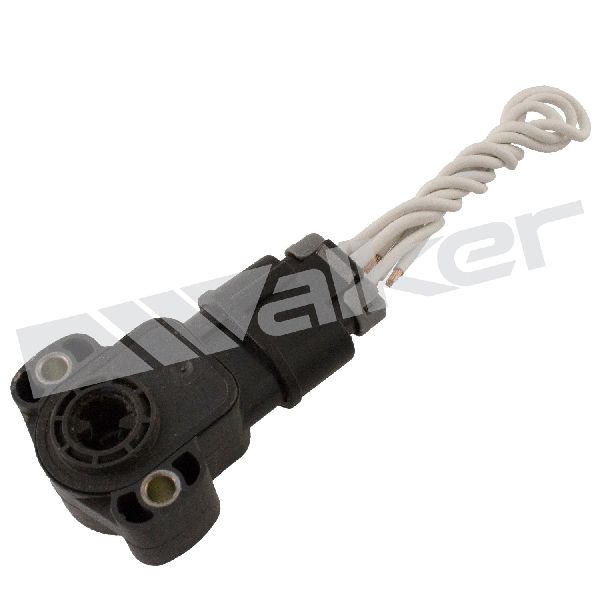
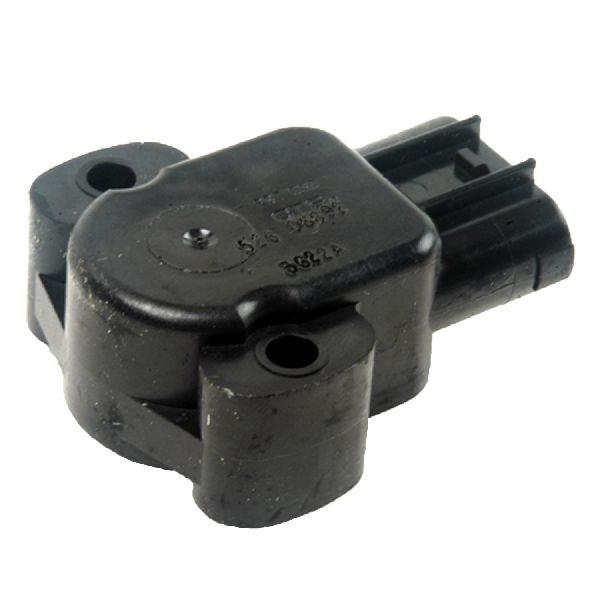
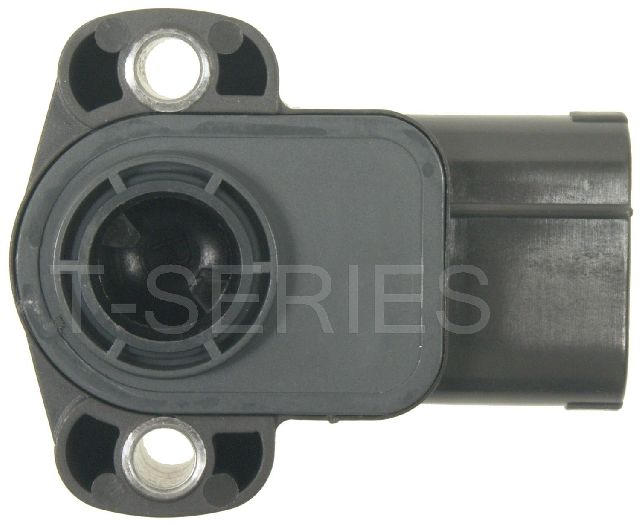
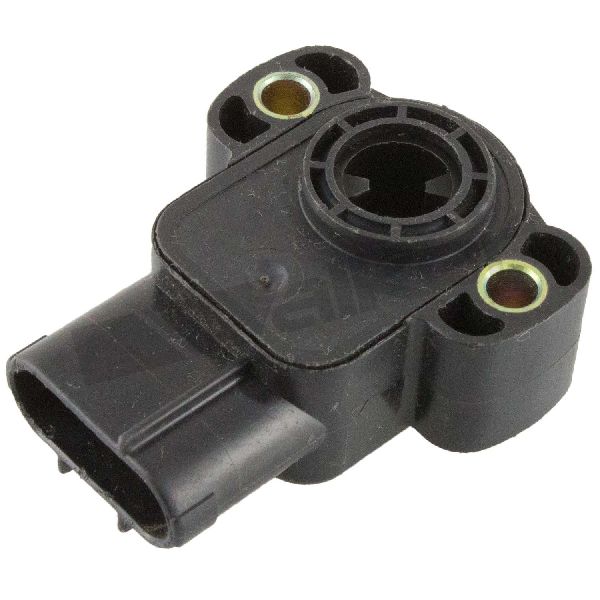
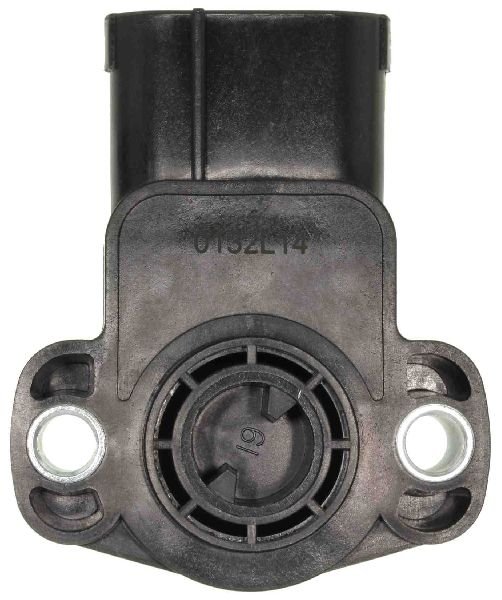
This is a 3-pin electronic sensor that mounts to the side of the throttle body. It functions as a potentiometer, changing its resistance based on the throttle blade's angle.
We Have This Part in Stock


The information in this article is provided for general reference and educational purposes only. Vehicle specifications, procedures, and part compatibility can vary by production date, trim level, and region. Always consult your vehicle's factory service manual and verify part numbers before purchasing or performing repairs. Safety-critical components such as airbags, seat belts, and braking systems should be installed by a qualified professional.
- Ford GT: