

Ford Freestyle Crankshaft Position Sensor Guide (2005-2007)
Fix stalling, no-start, and rough running issues in your Freestyle by understanding and choosing the right crankshaft position sensor.
- A bad crankshaft sensor on a Freestyle is a primary cause of no-start conditions and sudden stalling.
- Driving is not recommended due to the risk of the engine shutting off at any time, which is a major safety hazard.
- For this critical part, choosing an OEM (Motorcraft) or a premium aftermarket brand like Delphi or NGK/NTK is strongly advised for reliability.
- Replacement is a manageable DIY job for those comfortable working under the car; the sensor is located behind the passenger front wheel.
Is Your Freestyle Stalling or Refusing to Start?
A failing crankshaft position sensor is a common cause of major engine problems in the 2005-2007 Ford Freestyle. Because this sensor provides the master clock for engine timing, a bad signal can cause your vehicle to crank but not start, or worse, stall unexpectedly while driving. This can be a serious safety hazard. Other signs include a rough idle, engine misfires, poor acceleration, and a decrease in fuel economy. In nearly all cases, a faulty sensor will trigger the Check Engine Light on your dashboard.
Known Issues, Recalls, or TSBs
As of early 2026, there are no specific recalls from the National Highway Traffic Safety Administration (NHTSA) for the crankshaft position sensor on the 2005-2007 Ford Freestyle. Searches for Technical Service Bulletins (TSBs) related to this specific part and problem did not yield any results directly applicable to the Freestyle. However, it's a part that can fail from normal wear and tear, often after 100,000 miles. The main causes of failure are typically heat exposure, vibration, and contamination from dirt or oil over time.
Check for Related Trouble Codes
If your Check Engine Light is on, the most common trouble code for a crankshaft position sensor failure is P0335 (Crankshaft Position "A" Circuit Malfunction). This code is set when the engine's computer (PCM) does not receive a signal from the sensor. While this often means the sensor itself has failed, the problem could also be related to damaged wiring, a loose connection, or a damaged reluctor ring.
Choosing the Right Aftermarket Sensor
When replacing a critical sensor like this, the quality of the part matters. While an OEM Motorcraft part is always a safe bet, several aftermarket brands offer a good balance of quality and value. Cheap, unproven sensors are known to fail quickly or be dead on arrival, forcing you to do the job twice.
- Premium Brands (OEM-Equivalent): Motorcraft is the original Ford part and offers the best guarantee of fit and function. Delphi and NGK (NTK) are also highly regarded OEM suppliers known for their quality electronics and are excellent choices.
- Reputable Aftermarket Brands: Standard Ignition (SMP) and Dorman are well-known aftermarket manufacturers that produce reliable sensors. They are a solid choice for a dependable repair without the higher cost of an OEM part.
- Value Brands: Brands like Spectra, Walker Products, and True Tech are more budget-friendly. While they can be a viable option, they may not have the same long-term durability as premium brands.
Installation and Location
The crankshaft position sensor on the Ford Freestyle's 3.0L V6 engine is located on the front of the engine, down low behind the crankshaft pulley (harmonic balancer). To access it, you will likely need to jack up the vehicle, remove the passenger-side front wheel, and remove a plastic splash shield. The sensor is held in by a single 8mm bolt. After unplugging the electrical connector and removing the bolt, the sensor should wiggle out. The job is feasible for a DIYer with basic tools and should take about an hour.
🎬 See a step-by-step video on replacing the sensor yourself.| Part Type | Estimated Cost |
|---|---|
| New OEM (Motorcraft) | $30 - $50 |
| New Aftermarket | $20 - $46 |
| Shop Labor | $85 - $125 |
| Total Professional Replacement | $132 - $177 |
Frequently Asked Questions (FAQ)
Do I need to perform a "relearn" procedure after replacing the sensor?
For many Ford vehicles, a specific relearn procedure is not always required, as the computer can often relearn on its own. After replacing the sensor, you can try the battery disconnect method: disconnect the negative battery cable for 15 minutes, reconnect it, and let the engine idle for 10-15 minutes. If the engine still runs rough or the check engine light returns, a manual drive cycle or a forced relearn with a professional scan tool may be necessary.
🎬 Learn four quick methods to perform a sensor relearn procedure.Where is the crankshaft position sensor on a 2005-2007 Ford Freestyle?
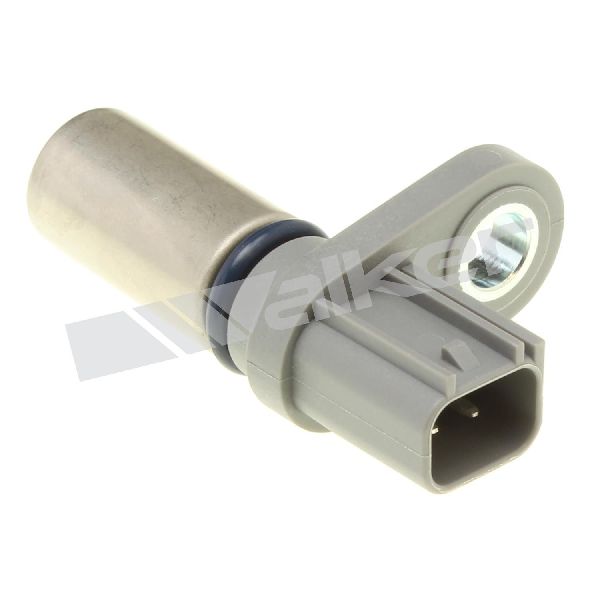
The sensor is located at the bottom front of the engine, near the main crankshaft pulley. You'll need to look behind the passenger-side front wheel and behind a splash guard to see it. It reads a toothed wheel (reluctor ring) on the crankshaft to determine engine speed.
Can a bad crankshaft sensor cause transmission problems?
While the sensor's primary job is engine management, the data it provides is shared with other vehicle systems, including the transmission. A faulty sensor can cause erratic signals that may lead to harsh shifting or other unusual transmission behavior, although it is not the most common cause of transmission failure on these vehicles.
What's the difference between a crankshaft and a camshaft sensor?
Both are critical for engine timing. The crankshaft sensor tracks the rotation of the crankshaft at the bottom of the engine, serving as the primary timing signal. The camshaft sensors (the Freestyle V6 has two) track the position of the camshafts at the top of the engine to control valve timing. While they have similar symptoms when they fail, they are different parts and will trigger different diagnostic codes.
Helpful Videos

Technical Specifications
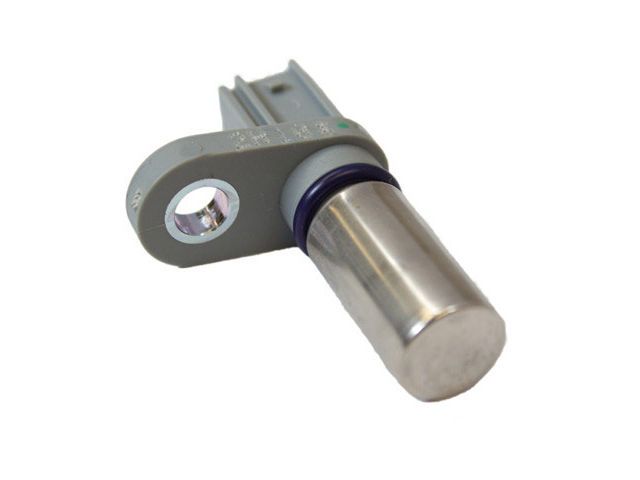
OEM Part Numbers: 5L8Z-6C315-AA 1S7Z-6C315-AA 1S7Z-6C315-AB F5RZ-6C315-B
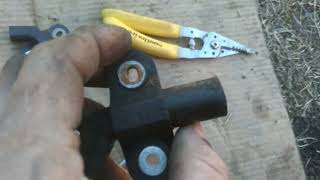
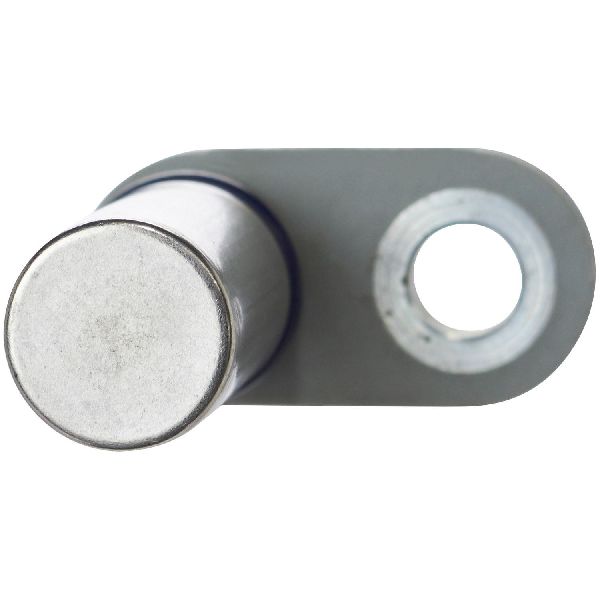
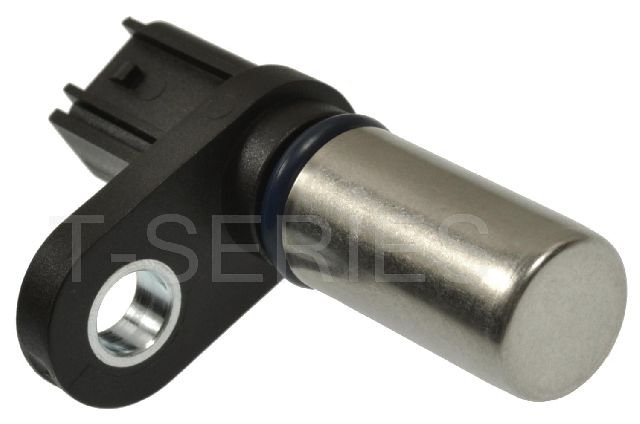
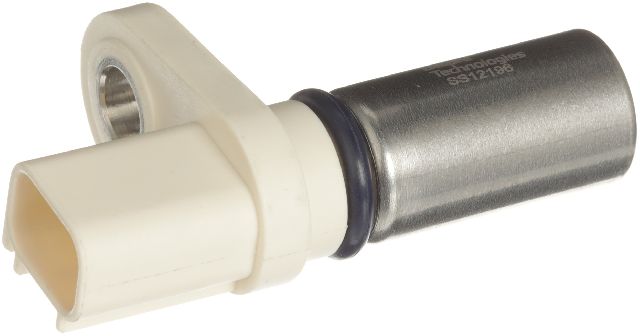
2-pin connector, variable reluctance magnetic sensor held by a single 8mm bolt.
We Have This Part in Stock


The information in this article is provided for general reference and educational purposes only. Vehicle specifications, procedures, and part compatibility can vary by production date, trim level, and region. Always consult your vehicle's factory service manual and verify part numbers before purchasing or performing repairs. Safety-critical components such as airbags, seat belts, and braking systems should be installed by a qualified professional.
- Ford Freestyle: