

Saturn Relay Engine Coolant Temperature Sensor Replacement Guide (2005-2007)
Is your Saturn Relay running rough, getting poor gas mileage, or showing a check engine light? Your coolant sensor might be the culprit.
- A bad ECT sensor commonly causes a Check Engine Light with codes P0117 or P0118, poor gas mileage, and overheating issues.
- This is a simple and inexpensive DIY repair that most owners can perform in under an hour with basic tools.
- There are no specific recalls for this part, but choosing a quality brand like Delphi or ACDelco is recommended due to their OE heritage with GM.
- Always inspect the electrical connector for corrosion when replacing the sensor, as a bad connection will make the new part fail.
Symptoms of a Failing Coolant Temperature Sensor
When the ECT sensor starts to fail, it sends incorrect information to your van's computer. This can cause a variety of noticeable problems. You might not experience all of them, but even one can indicate a faulty sensor.
- Check Engine Light: This is often the first sign. The computer will log fault codes like P0117 (signal too low) or P0118 (signal too high).
- Poor Fuel Economy: If the sensor wrongly tells the computer the engine is cold, the computer will enrich the fuel mixture, wasting gas.
- Rough Idle or Stalling: An incorrect fuel mixture and timing can make your engine run poorly, especially when it should be warmed up.
- Black Smoke from Exhaust: This is a sign of a very rich fuel mixture, where unburned fuel is being sent out the tailpipe.
- Engine Overheating: If the sensor fails to report that the engine is hot, the cooling fans may not turn on when they need to. Conversely, the fans might run all the time as a fail-safe measure.
- Inaccurate Temperature Gauge: The gauge on your dashboard might read cold all the time, hot all the time, or fluctuate wildly.
Choosing the Right Aftermarket Sensor
Since Saturn is no longer in production, all new parts are from aftermarket manufacturers. However, some brands were the original equipment (OE) suppliers for General Motors. For a critical sensor like this, quality matters.
| Brand Tier | Brands | Why? |
|---|---|---|
| Premium / OE-Quality | Delphi, ACDelco, NGK (NTK) | Delphi and ACDelco have a long history as original equipment suppliers for GM. Choosing one of these brands is the closest you can get to the original factory part's quality and specifications. NTK is also known for making OE-matched sensors. |
| Quality Mid-Range | Standard Ignition (SMP), Walker Products, Hella, Holstein | These are reputable aftermarket brands known for producing reliable components that meet or exceed factory specifications. They offer a good balance of price and quality. |
| Economy | Facet, Four Seasons, Global Parts, True Tech, Motorad | These brands provide a functional replacement at a lower cost. They are a suitable choice for budget-conscious repairs, though they may not have the same long-term durability or precise calibration as premium brands. |
Pro Tip: Check the Connector
When you remove the old sensor, inspect the electrical connector carefully. It's common for a failing sensor to leak coolant into the connector, causing green corrosion. If the connector is corroded, it should be cleaned thoroughly or replaced to ensure the new sensor works correctly.
Known Issues, Recalls, and Service Bulletins
Searches of the National Highway Traffic Safety Administration (NHTSA) database show no specific recalls or Technical Service Bulletins (TSBs) for the engine coolant temperature sensor on the 2005-2007 Saturn Relay. However, some owners have reported issues with extended-life coolant becoming contaminated, which can affect the entire cooling system's performance. When replacing the sensor, it's a good idea to inspect your coolant's condition.
Frequently Asked Questions (FAQ)
Can I replace the coolant temperature sensor myself?
Yes, this is a DIY-friendly repair for most home mechanics. It typically requires basic hand tools, such as a deep socket and ratchet. The sensor is usually accessible after removing the air intake hose. The job can often be completed in under an hour.
Where is the ECT sensor located on the Saturn Relay?
On the 3.5L and 3.9L V6 engines used in the Relay, the ECT sensor is typically screwed into a coolant passage on the engine, often near the thermostat housing or on a crossover pipe. Following the upper radiator hose to where it connects to the engine can help you find the general area.
What do the trouble codes P0117 and P0118 mean?
These are the most common codes for a bad ECT sensor. P0117 means the computer is seeing a voltage from the sensor that is too low (indicating extreme heat). P0118 means the voltage is too high (indicating extreme cold). Either code usually points to a failed sensor or a problem in its wiring circuit.
Do I need to drain all the coolant to replace the sensor?
You do not need to drain all the coolant. However, the sensor is located below the coolant level, so when you unscrew it, some coolant will leak out. To minimize loss, you can work quickly to swap the old sensor for the new one. Some mechanics loosen the radiator cap to release pressure, then quickly tighten it back down right before removing the sensor to create a slight vacuum, which can slow the leak.
Technical Specifications
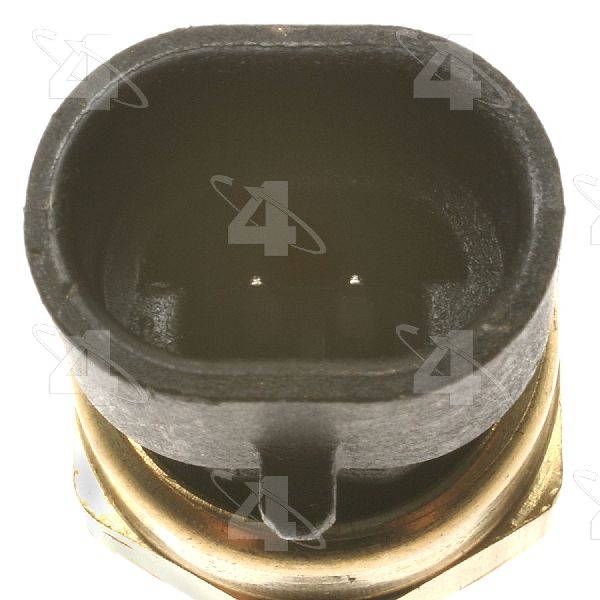
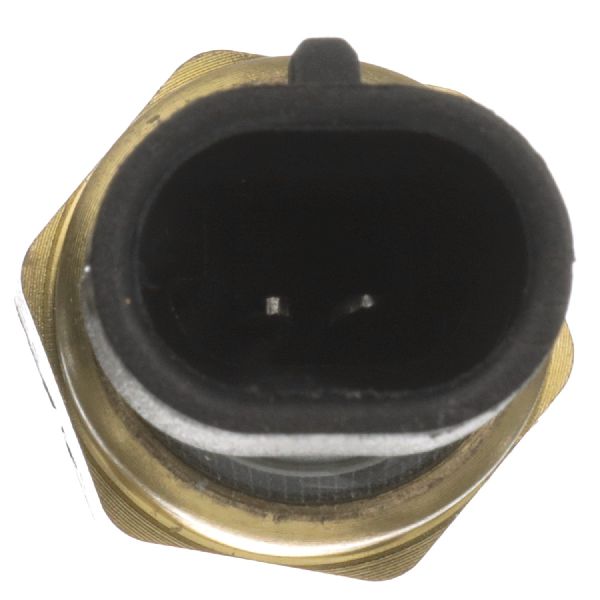
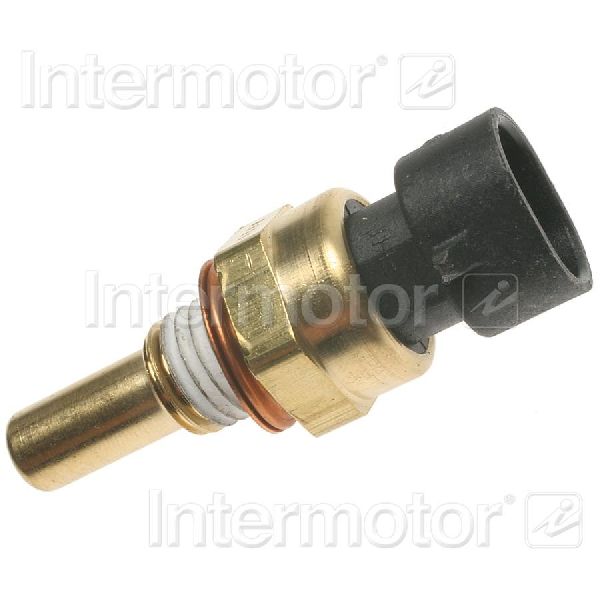
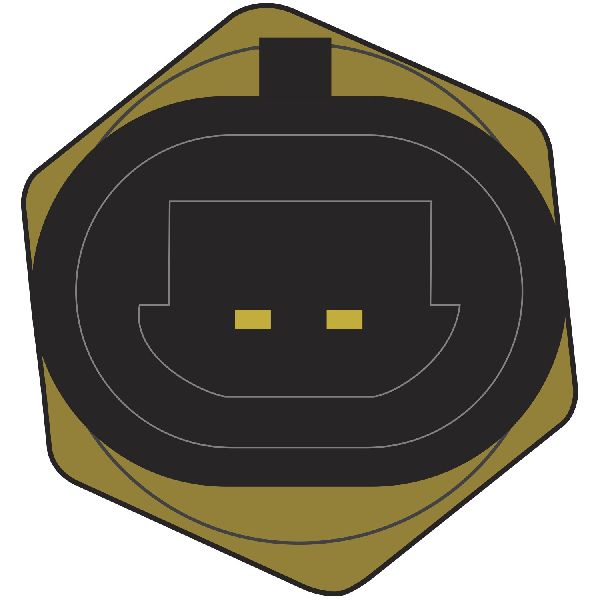
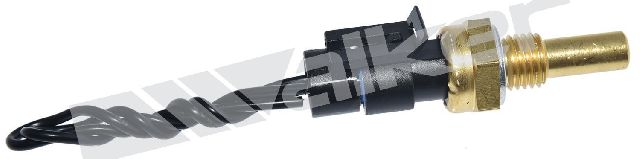
The sensor is a thermistor type with a two-wire electrical connector. It is designed to thread into a coolant passage on the engine block or thermostat housing.
We Have This Part in Stock


The information in this article is provided for general reference and educational purposes only. Vehicle specifications, procedures, and part compatibility can vary by production date, trim level, and region. Always consult your vehicle's factory service manual and verify part numbers before purchasing or performing repairs. Safety-critical components such as airbags, seat belts, and braking systems should be installed by a qualified professional.
- Saturn Relay: