

Saturn Relay Radiator Replacement Guide for 2005-2007 Models
Keep your Relay's engine cool and prevent overheating by choosing the right replacement radiator.
- The most common radiator failure on the Saturn Relay is cracking of the plastic side tanks.
- A quality aftermarket radiator from a brand like Denso or Spectra is a reliable and cost-effective alternative to OEM.
- There are no specific recalls or TSBs for the radiator on these models.
- Always replace the radiator cap and consider replacing hoses when installing a new radiator.
Is Your Saturn Relay Radiator Failing?
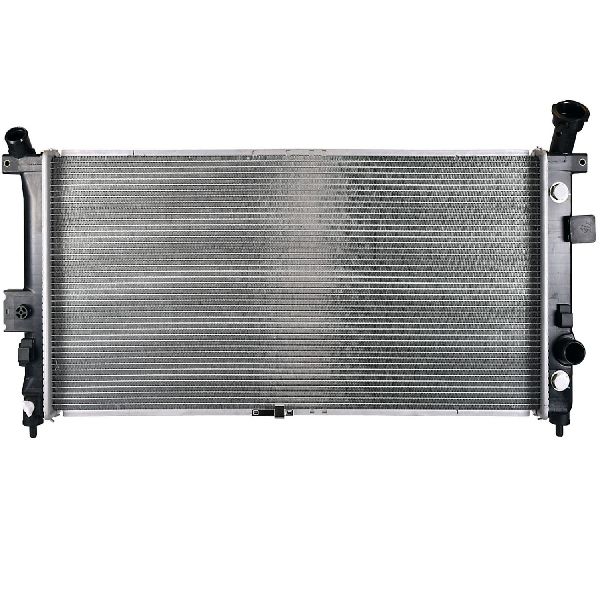
The radiator in the 2005-2007 Saturn Relay is a standard aluminum core with plastic side tanks. Over time, the plastic can become brittle from constant heating and cooling cycles. This is the most common failure point. When the plastic cracks, it creates coolant leaks, which can lead to engine overheating. You might also see leaks from old, worn-out hoses or loose connections.
Symptoms of a Bad Radiator
- Engine Overheating: The temperature gauge on your dashboard climbs into the red zone. This is the most serious sign.
- Visible Coolant Leaks: You may find puddles of sweet-smelling green, orange, or pink fluid under the front of your van.
- Low Coolant Level: Frequently needing to add coolant to the reservoir is a sure sign of a leak somewhere in the system.
- Steam from Engine Bay: If coolant drips onto hot engine parts, it will create steam.
Known Issues for This Vehicle
The primary known issue for the 2005-2007 Saturn Relay radiator is the failure of the plastic side tanks. After years of service, they are prone to developing hairline cracks that cause slow leaks, which can suddenly worsen. While there are no official recalls or Technical Service Bulletins (TSBs) from GM or the NHTSA for the radiator on this specific model, owner forums widely report this as a common problem as the vans age.
Choosing the Right Aftermarket Radiator
Since the original GM radiator has a known weakness with its plastic tanks, a quality aftermarket replacement is a smart choice. Aftermarket brands often provide similar or even better quality than the original part that came on your van. Here’s a breakdown of available brands:
- Premium Aftermarket (Denso, CSF Radiator): Brands like Denso are often original equipment manufacturers for many car brands and have a strong reputation for quality and fitment. CSF is known for high-quality construction, sometimes offering all-aluminum options that eliminate the plastic tank weak point entirely. These are excellent choices for reliability and peace of mind.
- Quality Aftermarket (Spectra): Spectra is a well-regarded brand that offers a good balance of quality and price. They are a popular choice for direct-fit replacements that perform like the original and are often made in Canada.
- Economy Brands (APDI, Onix, Global Parts, One Stop Solutions): These brands offer the lowest price point. However, quality can be inconsistent. Some user reviews for brands like APDI report issues with fitment and early failure. These may be an option if budget is the top priority, but they carry a higher risk of warranty claims or installation headaches.
Pro Tip: When replacing your radiator, it's also the best time to replace the upper and lower radiator hoses and the thermostat. These parts are relatively inexpensive and wear out over time. Replacing them all at once saves you from having to drain the cooling system again in the near future.
Replacement Cost
The cost to replace a radiator in a 2005-2007 Saturn Relay depends on the parts you choose and who does the work. The job is straightforward enough for an experienced DIYer.
| Part/Service | Estimated Cost |
|---|---|
| New Aftermarket Radiator | $142 - $235 |
| New OEM Radiator | $310 - $470 |
| Shop Labor | $250 - $500 |
| Total Professional Replacement | $392 - $735 |
Frequently Asked Questions
Is it hard to replace the radiator on a 2005-2007 Saturn Relay?
For someone with mechanical experience, it is not considered a difficult job. It involves draining the coolant, removing the fan shroud, disconnecting hoses and transmission cooler lines, unbolting the A/C condenser from the front of the radiator, and then removing the radiator itself. A beginner might find it challenging due to tight spaces.
Should I buy an OEM or aftermarket radiator?
For this specific vehicle, a quality aftermarket radiator from a brand like Denso, CSF, or Spectra is a very good option. The original OEM radiator's plastic tanks are a known failure point, so you are not losing quality by choosing a reputable aftermarket part.
Do I need to replace the radiator cap too?
Yes, it is highly recommended. The radiator cap holds pressure in the cooling system. A weak or faulty cap can cause the system to boil over at a lower temperature, leading to overheating even with a new radiator. It's an inexpensive part that is critical for the system to work correctly.
What type of coolant should I use in my Saturn Relay?
Your Saturn Relay requires a DEX-COOL compatible coolant. Always check your owner's manual to be certain. Using the wrong type of coolant can cause corrosion and damage to your new radiator and other cooling system components.
Technical Specifications
OEM Part Numbers: 15841572 15124633 15252642
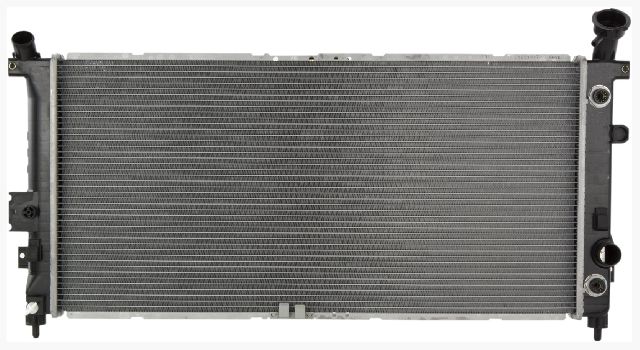
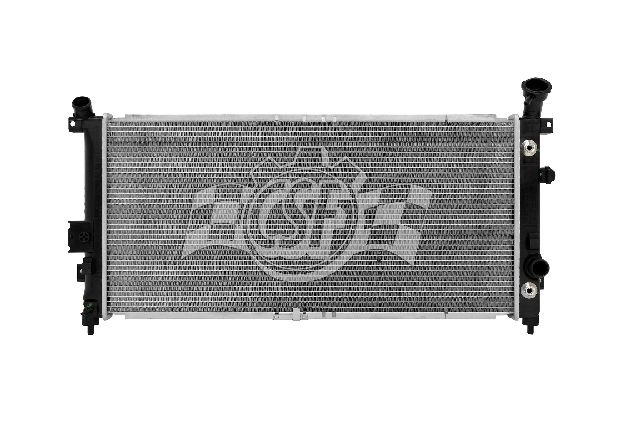
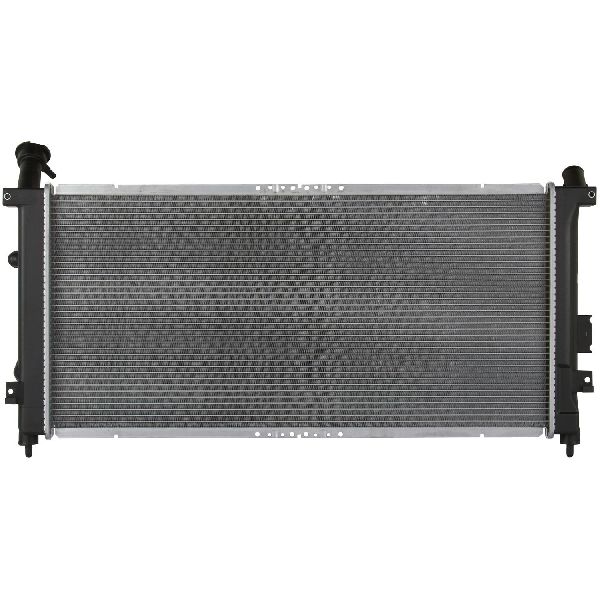
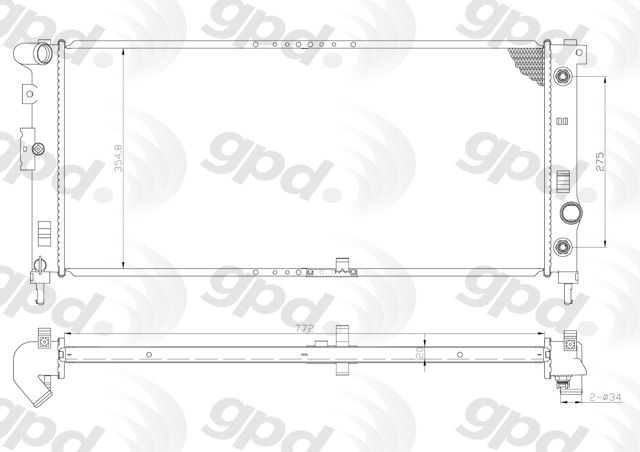
The radiator for the 2005-2007 Saturn Relay is a cross-flow type with an aluminum core and plastic tanks. It includes an internal transmission oil cooler with quick-connect style fittings. Core dimensions are approximately 34 inches wide by 17.25 inches high.
We Have This Part in Stock


The information in this article is provided for general reference and educational purposes only. Vehicle specifications, procedures, and part compatibility can vary by production date, trim level, and region. Always consult your vehicle's factory service manual and verify part numbers before purchasing or performing repairs. Safety-critical components such as airbags, seat belts, and braking systems should be installed by a qualified professional.
- Saturn Relay: