

Ignition Knock Sensor for 2005-2008 Dodge Magnum: A Detailed Guide
Experiencing poor performance or a new engine light in your Magnum? Your knock sensor might be the culprit.
- Replacement on V6 engines is much more difficult than on V8 HEMI engines, as it requires removing the intake manifold.
- Common symptoms include a check engine light (P0325, P0330), reduced power, and poor fuel economy.
- Due to the high labor involved, especially on V6 models, investing in a quality brand like Delphi or NGK is recommended to avoid repeat repairs.
- When replacing the sensor on a V6, you must also replace the intake manifold gaskets.
Signs of a Failing Knock Sensor in Your Magnum
A bad knock sensor can make your powerful Magnum feel sluggish. Because the engine's computer can't confirm if knocking is happening, it may switch to a 'safe mode,' reducing performance to prevent potential damage. You'll notice a few common signs when this part starts to fail.
Key Symptoms of Failure
- Check Engine Light: The most common sign is the check engine light illuminating on your dashboard. You will likely see codes such as P0325 (Knock Sensor 1 Circuit Malfunction) or P0330 (Knock Sensor 2 Circuit Malfunction, for V8s).
- Reduced Power and Acceleration: Your Magnum may feel noticeably slower or hesitant to accelerate as the computer limits engine timing to be safe.
- Worse Fuel Economy: When ignition timing is not optimal, the engine burns fuel less efficiently, leading to more frequent stops at the gas station.
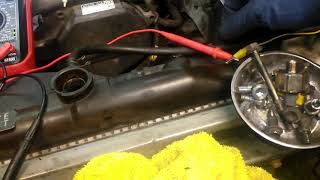
- Audible Engine Knocking: In some cases, you might hear a metallic pinging or knocking sound from the engine, especially under load. This is a serious symptom, as it means harmful detonation is occurring and the sensor isn't correcting it. 🎬 Watch: How to test for a bad sensor before replacing it.
Choosing the Right Aftermarket Knock Sensor
When it comes to electronic sensors, quality matters. While budget-friendly options exist, a faulty sensor can send incorrect data, leading to persistent performance issues. For a part that is labor-intensive to replace, especially on HEMI engines, it is often worth investing in a quality component.
Brand Quality Tiers
- OEM-Grade Brands (e.g., NGK, Delphi): These manufacturers often supply original parts to automakers and are known for their quality control and reliability. They are engineered to match the original sensor's sensitivity and durability. For a critical and hard-to-reach part, these are a strong choice.
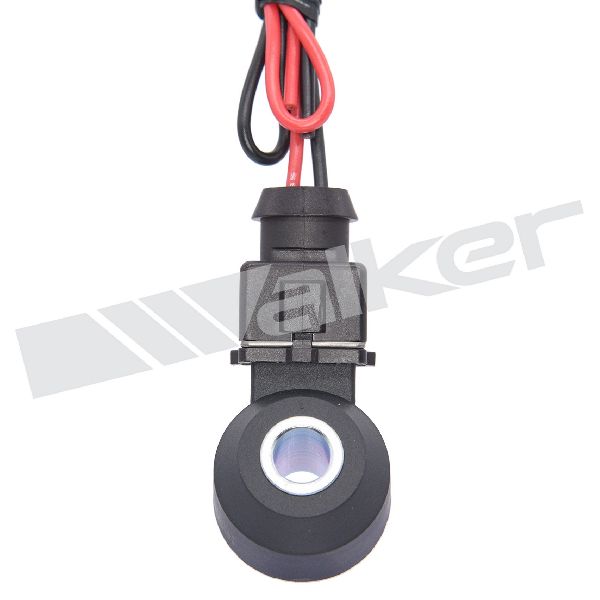
- Professional-Grade Aftermarket (e.g., Standard Ignition, Beck Arnley, Walker Products): These brands have a long-standing reputation in the aftermarket. They offer a balance of quality and price, often meeting or exceeding OEM specifications.
- Economy Brands (e.g., Global Parts, various store brands): While the low price is tempting, the quality can be inconsistent. These sensors may fail prematurely or not have the precise calibration needed, leading to recurring check engine lights. Given the difficult installation on many Magnum engines, these are generally not recommended.
Pro Tip: For V6 and V8 engines where the sensor is located under the intake manifold, the labor for replacement is significant. To avoid doing the job twice, choose a high-quality sensor from an OEM-grade or reputable professional-grade brand. Also, plan to replace the intake manifold gaskets at the same time.
Installation and Location on the Dodge Magnum
The difficulty of this job depends entirely on which engine your Magnum has.
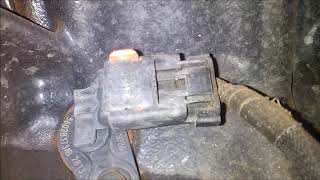
- V6 Engines (2.7L & 3.5L): The knock sensor is located on top of the engine block, underneath the lower intake manifold. This is a more involved job that requires draining coolant, removing the upper and lower intake manifolds, and disconnecting fuel lines and various electrical connectors. 🎬 See this walkthrough for replacing the sensor on V6 engines.
- V8 HEMI Engines (5.7L & 6.1L SRT8): These engines have two knock sensors. They are located on the outside of the engine block, below the exhaust manifolds. While they are not under the intake like the V6, access can still be tight, requiring you to work from underneath the vehicle. 🎬 Watch: Locating and replacing the knock sensor on a 5.7L HEMI.
| Part Type | Price Range |
|---|---|
| New Aftermarket | $21 - $85 |
| New OEM (Mopar) | $83 - $194 |
| Shop Labor | $250 - $600+ |
*Prices are estimates and can vary based on location, engine type, and the specific retailer. Labor costs are higher for V6 models due to the need to remove the intake manifold.
Frequently Asked Questions
Are there any recalls for the 2005-2008 Dodge Magnum knock sensor?
No, searches of the National Highway Traffic Safety Administration (NHTSA) database show no specific recalls or technical service bulletins (TSBs) for the ignition knock sensor on the 2005-2008 Dodge Magnum.
Can I use a cheap knock sensor?
While you can, it is generally not recommended, especially for the V6 models where replacement is labor-intensive. Cheaper sensors may lack the precise calibration of OEM or high-quality aftermarket parts, potentially leading to continued performance issues or premature failure.
How many knock sensors does my Dodge Magnum have?
The 2.7L and 3.5L V6 engines have one knock sensor. The 5.7L and 6.1L HEMI V8 engines have two knock sensors, one for each cylinder bank.
Do I need to replace the wiring harness with the sensor?
It is a good idea to inspect the wiring harness and connector for any signs of damage, brittleness, or corrosion, especially given the age of the vehicle. The plastic connectors can become brittle from heat and time. If the connector crumbles or the wiring is damaged, it should be replaced to ensure a good connection.
Helpful Videos

Technical Specifications
OEM Part Numbers: 4606093AD 5033316AB 56028563AA 4606093
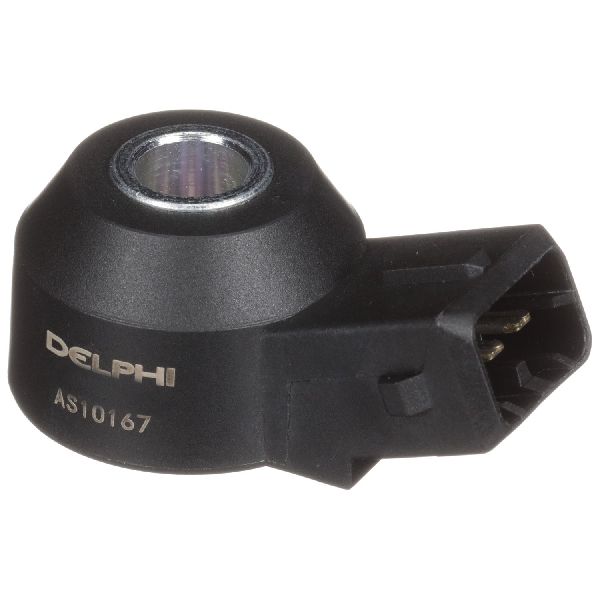
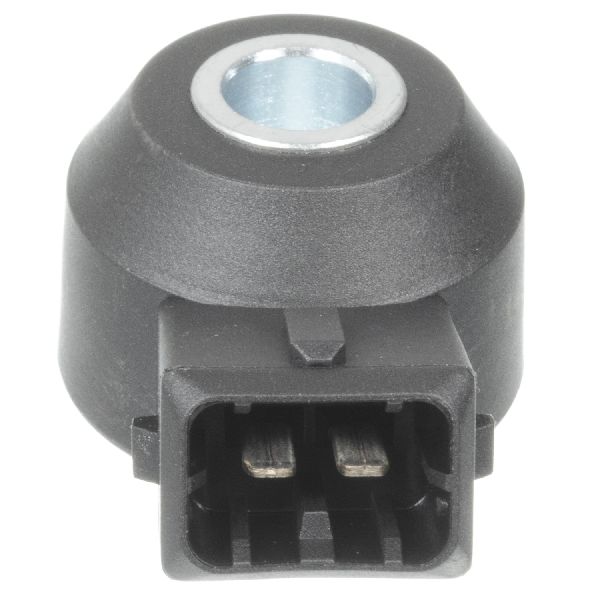
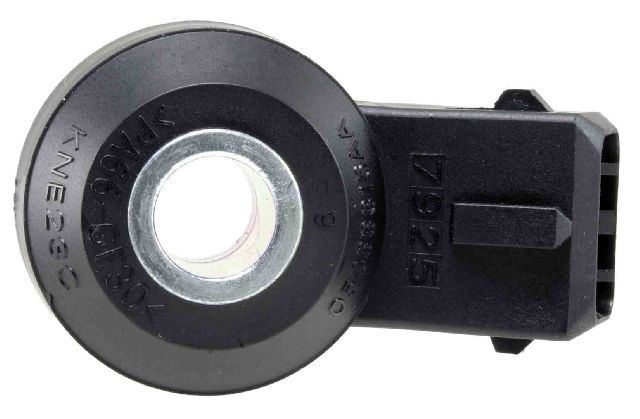
The knock sensor for the Dodge Magnum is a piezoelectric sensor designed to detect engine detonation. V6 models use a single sensor, while V8 models use two. The correct sensor must be used for the specific engine, as sensitivity and mounting can vary.
We Have This Part in Stock


The information in this article is provided for general reference and educational purposes only. Vehicle specifications, procedures, and part compatibility can vary by production date, trim level, and region. Always consult your vehicle's factory service manual and verify part numbers before purchasing or performing repairs. Safety-critical components such as airbags, seat belts, and braking systems should be installed by a qualified professional.
- Dodge Magnum: