

Chevrolet Uplander Engine Coolant Temperature Sensor: 2005-2009 Guide
An essential guide for Uplander owners dealing with a faulty temperature gauge, check engine light, or poor fuel economy.
- A P0128 check engine code often points to a bad thermostat, not the ECT sensor. Investigate the thermostat first.
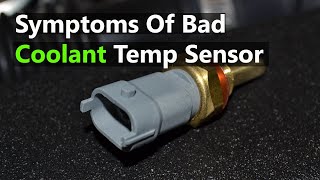
- Symptoms of a bad sensor include an erratic temperature gauge, poor gas mileage, and potential overheating.
- For best results, choose an OEM-equivalent aftermarket brand like Delphi, which likely made the original part for GM.
- Replacing the sensor is a simple DIY job; do it on a cold engine and have the new part ready to swap in quickly to minimize coolant loss.
Is Your Uplander's Engine Coolant Sensor Failing?
A bad Engine Coolant Temperature (ECT) sensor can cause problems that seem serious but are often straightforward to fix. Because this sensor helps control the engine, a bad signal can make your van run poorly. Watch for these common signs of failure.
- Check Engine Light: This is the most common symptom. You may see codes like P0117, P0118, or P0128.
- Erratic Temperature Gauge: The needle on your dashboard might stay on 'Cold', shoot up to 'Hot', or bounce back and forth for no reason.
- Poor Fuel Economy: If the sensor tells the computer the engine is always cold, the computer will send too much fuel, wasting gas.
- Engine Overheating: The sensor might fail to tell the cooling fans to turn on when needed, causing the engine to get too hot.
- Rough Idle or Hesitation: With the wrong fuel and timing adjustments from a bad sensor reading, the engine can run rough or hesitate when you accelerate.
Warning: P0128 Code May Not Be the Sensor
If you have a P0128 check engine light code, the problem is often a thermostat that is stuck open, not a bad sensor. This code means the engine isn't warming up as fast as the computer expects. Before replacing the sensor for a P0128 code, it's wise to check or replace the thermostat first, as it is the most common cause.
Choosing the Right Aftermarket Sensor
You don't need to buy a part from the dealer to get your Uplander running right. Many aftermarket brands offer excellent quality, and some even made the original part for Chevrolet. Here’s how to choose.
- Premium OEM-Equivalent Brands (Delphi, NGK): Delphi was a major parts supplier for General Motors and is often the original equipment manufacturer (OEM). Choosing a Delphi sensor is the closest you can get to the original part's quality and fit. NGK is another top-tier brand known for excellent sensor technology.
- Quality Aftermarket Brands (Standard Ignition, Hella, Walker Products): These brands are well-respected in the industry and produce reliable replacement parts that meet or exceed original specifications. They offer a great balance of quality and price.
- Standard & Economy Brands (Four Seasons, Facet, etc.): These brands provide a cost-effective solution that will get the job done. While they meet basic fit and function requirements, they may not have the same long-term durability or precise calibration as premium options.
Pro Tip: Given its critical role and the low cost, spending a few extra dollars on a premium brand like Delphi or NGK is a smart investment for peace of mind. Some owners have reported issues with cheaper aftermarket sensors, making it worth sticking to a trusted name.
Cost of Replacing the Engine Coolant Temperature Sensor
| Part Type | Estimated Cost |
|---|---|
| New Aftermarket Sensor | $17 - $42 |
| New OEM (ACDelco) Sensor | $35 - $60 |
| Shop Labor | $60 - $120 |
| Total Estimated Cost (Aftermarket Part + Shop Labor) | $77 - $162 |
Frequently Asked Questions
Where is the ECT sensor located on a 2005-2009 Uplander?
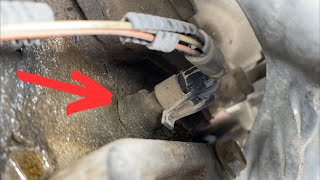
The location depends on your engine. On the 3.5L V6, it is typically found near the thermostat housing where the upper radiator hose connects to the engine. On the 3.9L V6, it is often located on the driver's side of the engine, on the rear cylinder head. 🎬 Watch: See the 3.9L sensor location and replacement walkthrough. Always visually confirm the location on your specific vehicle before starting work.
Can I replace the ECT sensor myself?
Yes, this is a DIY-friendly job for most home mechanics. It requires basic tools, including a deep socket. The key is to work quickly when the engine is cold to minimize coolant loss. Access can be tight, so be patient.
Should I replace the thermostat at the same time?
It is highly recommended. The thermostat and ECT sensor work together, and they are often located near each other. If one is failing, the other may not be far behind. Replacing both at the same time is good preventative maintenance and can save you from doing a similar job twice, especially if you have a P0128 code.
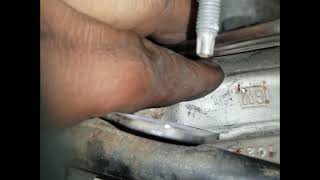
🎬 Watch: Step-by-step guide to replacing the thermostat on a 3.5L engine.Are there any recalls for this part?
No, there are no specific recalls or Technical Service Bulletins (TSBs) from GM for a faulty Engine Coolant Temperature Sensor on the 2005-2009 Uplander. There was a TSB (07-06-02-006E) for potential coolant leaks from the coolant crossover pipe gaskets, which is a separate issue.
Helpful Videos
Technical Specifications
OEM Part Numbers: 12608814 15326388 213-4514 213-4333 19236568
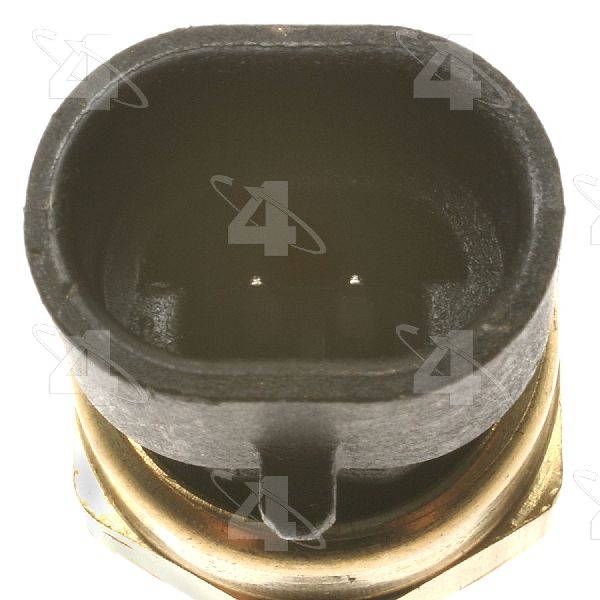
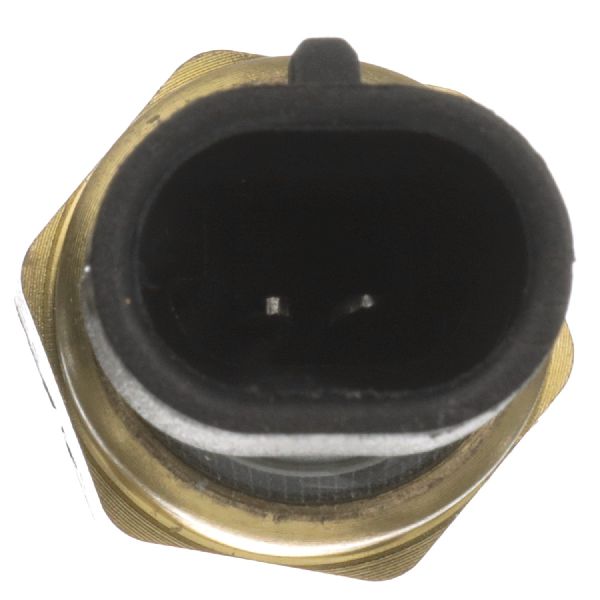
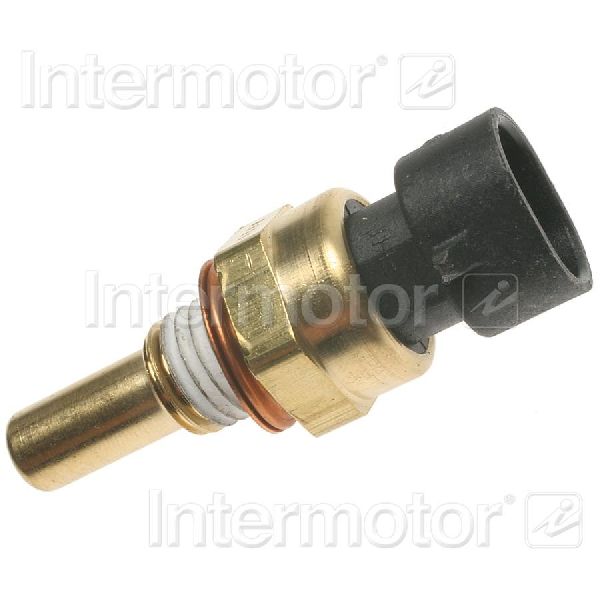
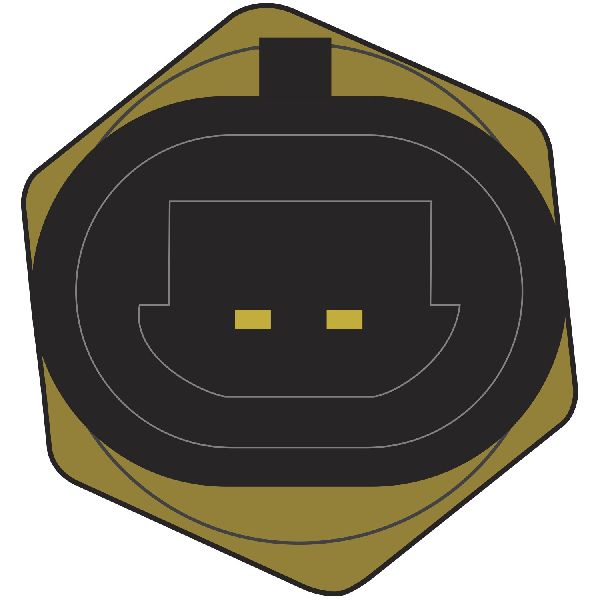
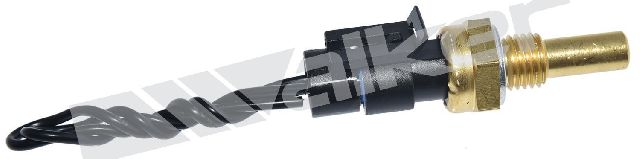
The sensor is typically a two-wire thermistor with a brass body and a threaded end that screws into a coolant passage on the engine block or cylinder head.
We Have This Part in Stock


The information in this article is provided for general reference and educational purposes only. Vehicle specifications, procedures, and part compatibility can vary by production date, trim level, and region. Always consult your vehicle's factory service manual and verify part numbers before purchasing or performing repairs. Safety-critical components such as airbags, seat belts, and braking systems should be installed by a qualified professional.
- Chevrolet Uplander: