

Chevrolet Uplander 2005-2009 Power Steering Pump Replacement Guide
Solving whining noises and stiff steering in your Chevrolet Uplander by choosing the right power steering pump.
- A whining noise that gets louder when turning is the primary sign of a failing power steering pump.
- For long-term reliability, choose a 100% new aftermarket pump over a remanufactured one.
- The entire power steering system must be flushed of old fluid and debris before installing the new pump to prevent immediate damage.
- After installation, the system must be properly bled of all air to prevent noise and ensure proper operation.
Is Your Uplander's Steering Making Noise?

If you own a 2005-2009 Chevrolet Uplander, you might be familiar with a whining sound from the engine bay that gets louder when you turn the steering wheel. This is the most common sign of a failing power steering pump. You may also notice that the steering feels unusually heavy or stiff, especially when parking or driving at low speeds. These symptoms point directly to a problem with the power steering system, and the pump is the most likely culprit.
Common Failure Symptoms

A failing power steering pump gives clear warning signs. Ignoring them can lead to a sudden loss of steering assist, making the vehicle very difficult to control.
- Whining or Groaning Noises: The classic symptom is a whine that changes pitch with engine speed and gets loudest when you turn the wheel. This is often caused by low fluid or internal wear.
- Stiff Steering Wheel: If turning the wheel feels like a workout, the pump is not producing enough pressure to assist you.
- Fluid Leaks: Finding reddish-brown puddles under the front of your van is a sign of a leak. Check the pump body and hoses for wetness. The plastic reservoir on the pump can also develop cracks and leak.
- Foaming or Bubbly Fluid: If you check the fluid and it looks frothy, it means air is getting into the system, likely from a leak or a failing pump.
Vehicle-Specific Issues: TSBs and Recalls
There are no official recalls from Chevrolet for the power steering pump on the 2005-2009 Uplander. However, GM has issued Technical Service Bulletins (TSBs) for technicians. TSB #PI0671A helps diagnose fluid leaks at the pump's reservoir, a known weak point. TSB #120232002B addresses power steering noise that occurs in extremely cold weather. Another bulletin notes that many replaced pumps are found to have no issues, with the real problem being improper installation, like not flushing the system or reusing old seals.
Choosing the Right Aftermarket Pump

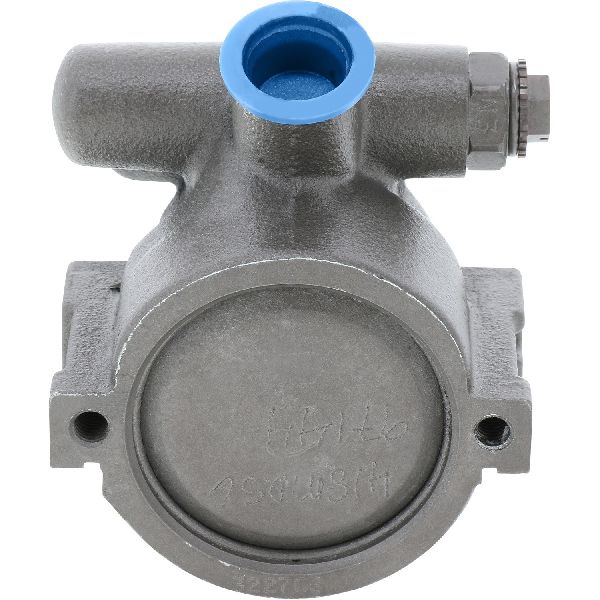
For an older vehicle like the Uplander, an aftermarket power steering pump offers the best value. However, quality can vary significantly between brands. They generally fall into two categories: remanufactured and 100% new.
| Brand Tier | Brands | What to Expect |
|---|---|---|
| Premium (100% New) | PWR | These are brand new parts, not rebuilt. They often come with the pulley pre-installed, saving an installation step. Brands like PWR emphasize meeting or exceeding original specs and generally have lower failure rates out of the box, making them a more reliable long-term choice. |
| Standard (New) | Cardone (New), DNJ | Some brands, like Cardone, offer both new and remanufactured lines. A 'new' aftermarket pump is a good middle-ground, offering better reliability than a remanufactured unit without the higher cost of an OEM part. |
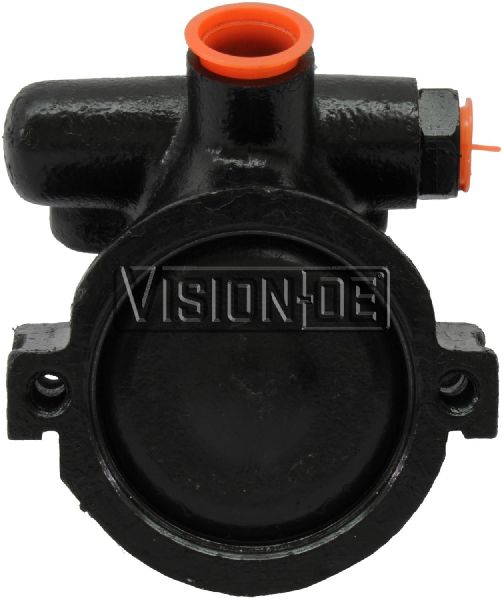
| Economy (Remanufactured) | Cardone (Reman), BBB Industries | Remanufactured pumps are original units that have been rebuilt with new seals. Quality can be inconsistent. While they are the cheapest option, forums show mixed reviews, with some users experiencing leaks or failures shortly after installation. This can be a gamble; you might get a good one, or you might be doing the job twice. |
Pro Tip: New vs. Remanufactured
While a remanufactured pump is tempting due to its low price, the labor to replace a failed one is the same. For the Chevrolet Uplander, spending a little more on a 100% new aftermarket pump from a reputable brand like PWR is a wise investment to avoid premature failure and doing the job again.
Frequently Asked Questions (FAQ)

Why is my new pump still whining?
The most common reason for noise after installing a new pump is air trapped in the system. The system must be properly bled by turning the steering wheel from lock to lock several times with the engine off, and then again with it running. Another cause is failing to flush out old, contaminated fluid and debris, which can damage the new pump immediately.
Do I need a special tool to replace the pump?
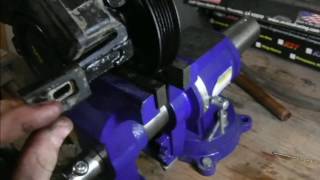
Yes, most likely. If your new pump does not come with a pulley, you will need a specific power steering pulley remover and installer tool. Using a generic gear puller will likely damage the pulley. Some brands, like PWR, often include a pre-installed pulley to avoid this hassle.
Can I replace just the leaking reservoir?
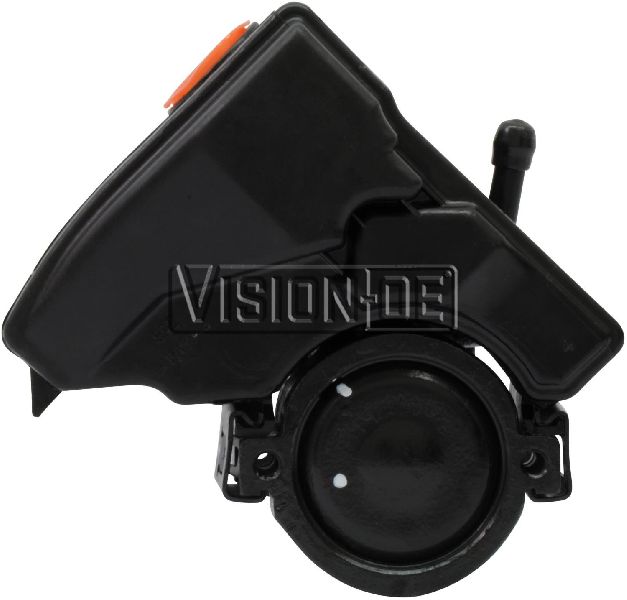
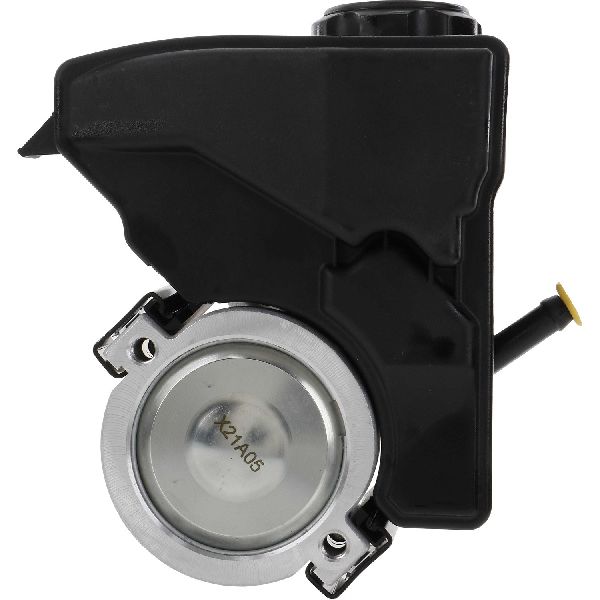
No, on the Chevrolet Uplander, the fluid reservoir is integrated into the power steering pump body. If the reservoir is cracked or leaking, the entire pump assembly must be replaced.
Should I use power steering stop-leak fluid?
Stop-leak products are a temporary fix at best. They use additives that cause seals to swell, which can provide a short-term solution but may cause other seals in the system to degrade over time. It is not a permanent solution for a failing pump.
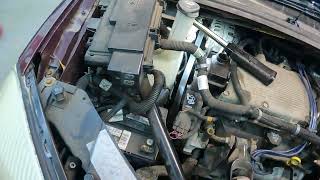
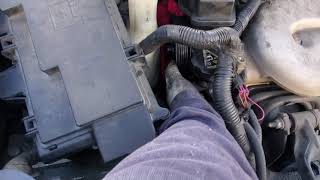
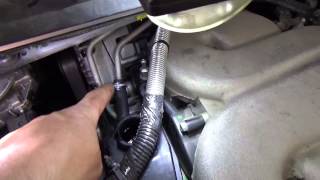
Helpful Videos
Technical Specifications
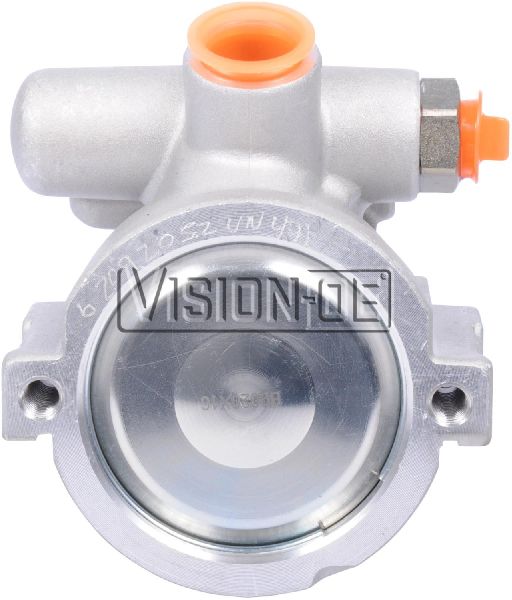
Hydraulic power steering pump driven by serpentine belt. Reservoir is integrated with the pump body. Pulley is typically press-fit or threaded.
We Have This Part in Stock


The information in this article is provided for general reference and educational purposes only. Vehicle specifications, procedures, and part compatibility can vary by production date, trim level, and region. Always consult your vehicle's factory service manual and verify part numbers before purchasing or performing repairs. Safety-critical components such as airbags, seat belts, and braking systems should be installed by a qualified professional.
- Chevrolet Uplander: