

A Guide to Steering Tie Rod Ends for the 2005-2009 Chevrolet Uplander
Fix steering wander and clunking noises by choosing the right replacement tie rod end for your Uplander.
- A bad tie rod end on an Uplander will cause loose steering, clunking noises, and uneven tire wear.
- You must perform a wheel alignment immediately after replacing any tie rod end to prevent unsafe handling and tire damage.
- It is strongly recommended to replace outer tie rod ends in pairs for balanced steering and to avoid a repeat repair job.
- Premium aftermarket brands like Moog or Delphi often offer greaseable joints for potentially longer life compared to sealed OEM-style parts.
Symptoms of a Failing Tie Rod End
When the tie rod ends on your Uplander start to wear out, they become loose. This looseness can cause several noticeable problems. You are 🎬 Watch: Top 7 symptoms of a bad tie rod the first line of defense in noticing a change in your vehicle's performance.
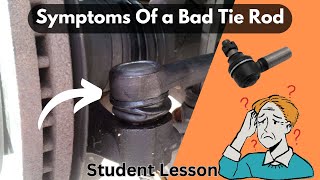
- Loose or Shaky Steering: You might feel a sloppy or loose sensation in the steering wheel, as if there's a delay or play before the wheels respond. The steering wheel may also shake or vibrate, especially as you increase speed or go around turns.
- Clunking or Knocking Noises: A common sign is a clunking, popping, or knocking sound coming from the front of the van. This is often most noticeable when turning at low speeds or driving over bumps.
- Uneven Tire Wear: A bad tie rod end will cause the wheel alignment to be off. A visual inspection of your front tires may show excessive wear on either the inner or outer edges.
- Vehicle Pulling to One Side: With a worn tie rod, your Uplander might pull to the left or right, forcing you to constantly correct the steering wheel to drive straight.
Known Issues for 2005-2009 Chevrolet Uplander
While there are no specific recalls from General Motors for the tie rod ends on the 2005-2009 Uplander, steering complaints are noted by owners. Some owners have reported issues like scrubbing or clunking noises from the front end and power steering problems. There was a recall for an aftermarket Dorman steering knuckle (not the tie rod) that could break and cause a loss of steering control, but this did not apply to the original factory parts. Several Technical Service Bulletins (TSBs) exist for steering noises and vibrations, such as TSB #070232003 for a clunk or knock noise, which direct technicians on how to diagnose the issue. These symptoms can overlap with a failing tie rod end, so a proper inspection is key.
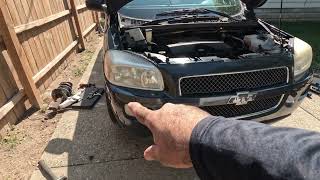
🎬 See this Uplander tie rod and strut replacement walkthroughChoosing the Right Aftermarket Tie Rod End
For your Chevrolet Uplander, the original ACDelco parts provide a reliable baseline. However, several aftermarket brands offer parts that meet or exceed original quality, sometimes with improved features. Aftermarket parts are generally separated into different quality tiers.
Premium Brands (Moog, Delphi, ACDelco Gold/Professional)
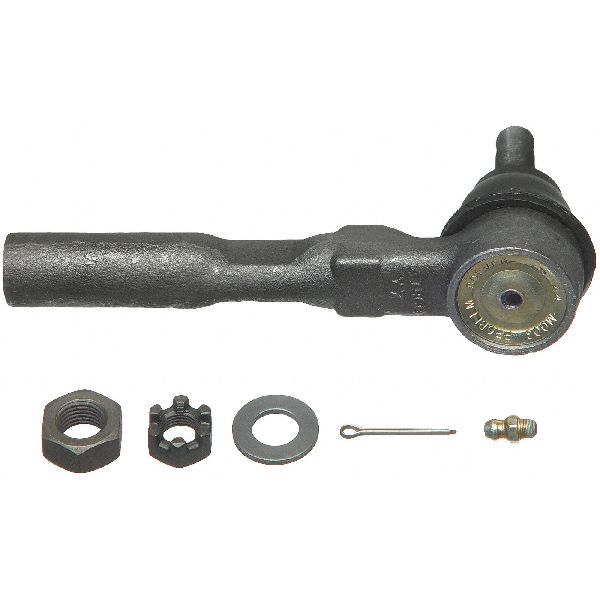
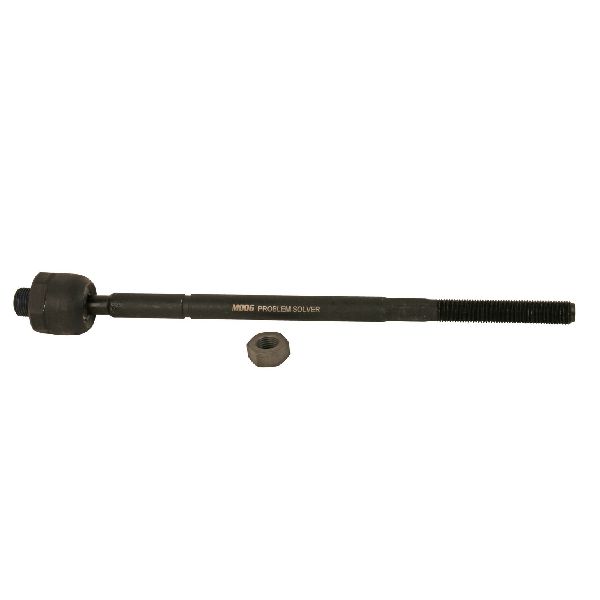
These brands are often considered top-tier replacements. Moog's "Problem Solver" line, for example, often includes features like a greaseable socket (zerk fitting) that allows you to flush out old grease and contaminants, potentially extending the part's life. They also may use higher-grade steel and a more robust metal-to-metal bearing design. Delphi is a GM supplier and is known for high-quality parts. ACDelco Professional and Gold lines are their premium aftermarket offerings, designed to be equivalent to the original parts.
Standard/Value Brands (Dorman, Mevotech, QuickSteer)
These brands offer a good balance of quality and price. Dorman is a well-known brand that often incorporates design improvements over the original part. Mevotech is another popular choice, with some users reporting their parts are beefier than stock, though they may require periodic greasing. QuickSteer is often positioned as a reliable, budget-friendly option. While some users have had mixed experiences with the longevity of value brands compared to premium ones, they provide a cost-effective solution for repairs.
Pro Tip: Many premium aftermarket tie rod ends, like those from Moog, are "greaseable," meaning they have a zerk fitting for adding new grease. Sealed, non-greaseable joints are maintenance-free, but greaseable joints may last longer if maintained properly (typically greased during every oil change).
| Brand Tier | Brands | Key Features | Price Range (Outer Tie Rod) |
|---|---|---|---|
| Premium | Moog, Delphi, ACDelco Gold | Often have greaseable fittings, enhanced durability, robust designs. | $45 - $96 |
| Standard | Dorman, Mevotech, Suspensia | Good OE-style replacement, may offer some improved designs. | $30 - $55 |
| Economy | QuickSteer, Value Brands | Basic, functional replacements at a lower cost. | $25 - $40 |
Frequently Asked Questions (FAQ)
Do I need a wheel alignment after replacing tie rod ends?
Yes, absolutely. Replacing a tie rod end, inner or outer, will change your vehicle's wheel alignment. You must get a professional alignment done immediately after the repair to ensure your van drives straight, handles safely, and to prevent rapid, uneven tire wear.
Should I replace tie rod ends in pairs?
It is highly recommended. If the tie rod end on one side has failed due to wear, the other side is likely not far behind. Replacing them in pairs ensures even steering response and saves you from having to do the same job twice and pay for another alignment soon after.
What is the difference between an inner and an outer tie rod end?
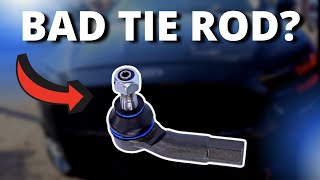
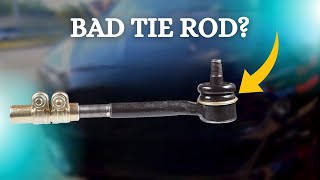
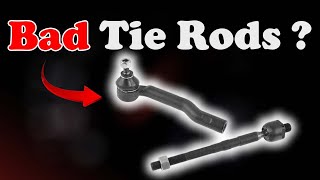
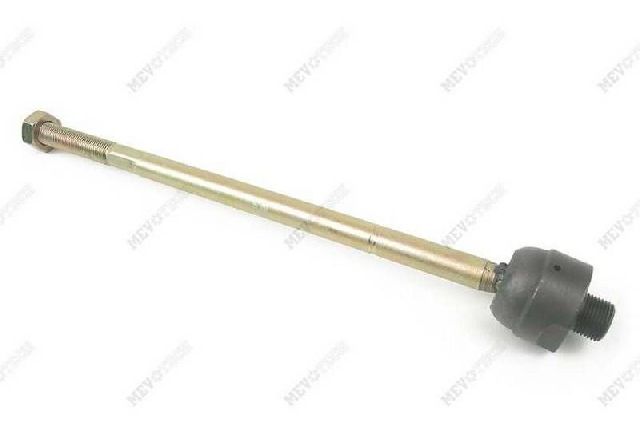
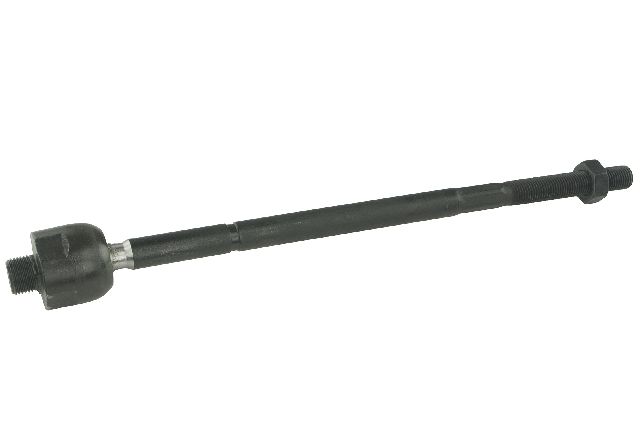
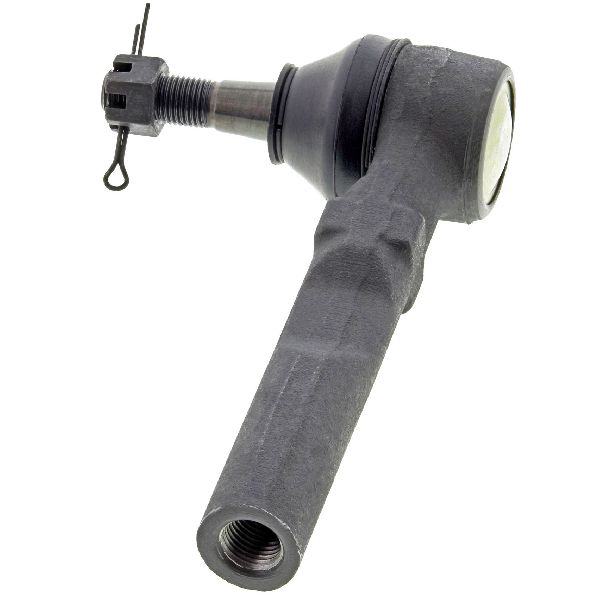
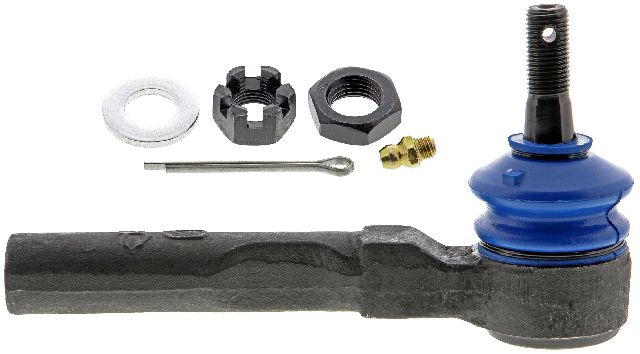
Your Uplander has both. The inner tie rod end connects directly to the steering rack, hidden under a flexible rubber boot. The outer tie rod end connects the inner tie rod to the steering knuckle at the wheel. The outer ends fail more frequently as they are more exposed to the elements and road impacts.
How can I check if my tie rod end is bad?
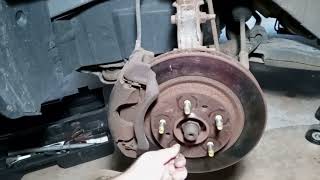
Safely jack up the front of the vehicle and support it on jack stands. Grab a front tire at the 9 and 3 o'clock positions and try to wiggle it back and forth. If you feel play or hear a clunking sound, have a helper look at the outer tie rod end to see if the looseness is coming from its ball-and-socket joint. Any detectable play means it needs to be replaced.
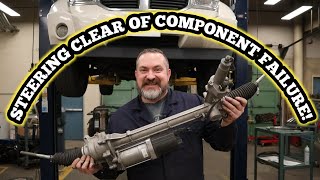
🎬 Watch: An easy way to test your tie rod endsHelpful Videos

Technical Specifications
OEM Part Numbers: 19149617 88965063
The 2005-2009 Chevrolet Uplander uses a rack-and-pinion steering system with one inner and one outer tie rod end per side. The outer tie rod connects to the steering knuckle. Replacement requires an 18mm socket for the castle nut and a tool to separate the joint from the knuckle. An alignment is mandatory after replacement.
We Have This Part in Stock

The information in this article is provided for general reference and educational purposes only. Vehicle specifications, procedures, and part compatibility can vary by production date, trim level, and region. Always consult your vehicle's factory service manual and verify part numbers before purchasing or performing repairs. Safety-critical components such as airbags, seat belts, and braking systems should be installed by a qualified professional.
- Chevrolet Uplander:
- 🎬 Helpful Videos
- 🛍️ Shop This Part
- Symptoms of a Failing Tie Rod End
- Known Issues for 2005-2009 Chevrolet Uplander
- Choosing the Right Aftermarket Tie Rod End
- Premium Brands (Moog, Delphi, ACDelco Gold/Professional)
- Standard/Value Brands (Dorman, Mevotech, QuickSteer)
- Frequently Asked Questions (FAQ)
- 🎟️ Get 5% Off