

Ford Expedition Fuel Pressure Sensor Guide (2005-2009)
Is a faulty fuel pressure sensor causing your Expedition to run rough, hesitate, or fail to start?
- Symptoms like hard starting, stalling, and poor acceleration are common for a failing fuel pressure sensor.
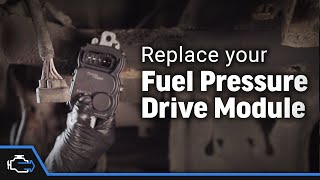
- Before replacing the sensor, inspect the Fuel Pump Driver Module (FPDM) for corrosion, as it often causes identical problems.
- The fuel pump relay, which can be integrated into the fuse box, is another known failure point that can mimic sensor issues.
- Bosch is a top-tier aftermarket choice for this part, while Standard Ignition offers a reliable, mid-range alternative.
Is Your Fuel Pressure Sensor Failing?

A bad fuel pressure sensor in a 2005-2009 Expedition can cause a lot of frustrating problems. Because the engine's computer relies on this sensor for correct fuel delivery, a bad signal can make your truck run poorly. You might notice one or more of these issues.
Common Symptoms:
- Check Engine Light: This is often the first sign. The computer will store a trouble code, usually P0191, P0192, or P0193.
- Hard Starting or No-Start: The engine may crank for a long time before starting, or it might not start at all. This happens because the computer doesn't see the correct fuel pressure needed to fire the engine.
- Stalling and Rough Idle: Your Expedition might stall when you come to a stop or idle erratically. The engine may feel shaky or seem like it's about to die.
- Poor Acceleration and Power Loss: When you press the gas, the truck may hesitate, stumble, or feel sluggish. This is especially noticeable under load, like when merging onto a highway or pulling a trailer.
- Worse Fuel Economy: If the sensor is telling the computer the pressure is too low, the system might send too much fuel, wasting gas.
Hold On! It Might Not Be the Sensor
Before you buy a new sensor, be aware that other parts on the 2005-2009 Expedition can cause the exact same symptoms. Many owners have replaced the sensor only to find the real problem was something else. Check these common failure points first:
- Fuel Pump Driver Module (FPDM): This module controls the fuel pump. It's located on a frame crossmember, often near the spare tire, and is known to corrode and fail, causing fuel pressure issues and a P0191 code. Inspect it for corrosion or damage. 🎬 Watch: How to inspect and replace the fuel pump driver module.
- Fuel Pump Relay: On some of these trucks, the fuel pump relay is soldered into the main fuse box (Central Junction Box). A failing relay can cause intermittent starting and stalling problems. This is a known issue that can be difficult to diagnose.
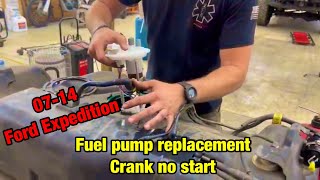
- Weak Fuel Pump: While the sensor reports the pressure, the pump creates it. An aging fuel pump can also lead to low pressure, hard starts, and poor performance.
Choosing the Right Aftermarket Fuel Pressure Sensor

If you've ruled out other issues and confirmed the sensor is bad, you have a few good aftermarket choices. For a critical part like this, it's best to stick with reputable brands.
- Tier 1 (OEM or Equivalent): Bosch is a well-respected brand that often manufactures parts for Ford. Choosing a Bosch sensor is the closest you can get to OEM quality without paying the dealership price. It's a reliable choice for long-term performance.
- Tier 2 (Reputable Aftermarket): Standard Motor Products (Standard Ignition) is a well-known aftermarket manufacturer that offers a good balance of quality and price. Their parts are generally considered a solid, reliable replacement for the original.
- Tier 3 (Economy): Brands like Holstein offer a more budget-friendly option. While they meet the basic requirements, they may not have the same long-term durability or precise calibration as premium brands like Bosch.
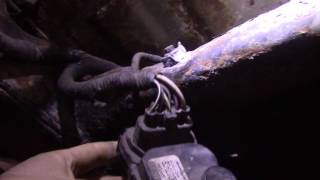
Pro Tip: The 2005-2009 Expedition's 5.4L engine does not have a Schrader valve (test port) on the fuel rail. This makes it impossible to connect a standard fuel pressure gauge to verify the sensor's reading. Diagnosis relies on the reading from a scan tool, making it even more important to rule out other potential causes 🎬 See how to diagnose stalling and P0191 codes with a scan tool. like the FPDM before replacing the sensor.
Cost of Replacing the Fuel Pressure Sensor
| Part Type | Estimated Cost |
|---|---|
| New Aftermarket Sensor | $74.50 - $83.21 |
| New OEM (Motorcraft) Sensor | $150 - $160 |
| Shop Labor | $90 - $180 |
| Total Professional Replacement | $165 - $340 |
Frequently Asked Questions

Can I replace the fuel pressure sensor myself?
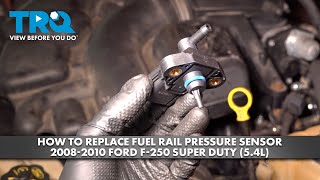
Yes, this is a DIY-feasible job for someone with basic mechanical skills. The sensor is on top of the engine on the fuel rail. The main steps are to safely relieve the fuel pressure, disconnect the battery, unplug the electrical connector, and unscrew the old sensor. The biggest challenge can be accessing the sensor, which may be tight.
🎬 Watch this step-by-step walkthrough for replacing the fuel pressure sensor.Where is the fuel pressure sensor located on the 5.4L engine?
You can find it mounted on the driver's side fuel rail, which is the metal tube that delivers fuel to the injectors. Do not confuse it with the Fuel Tank Pressure (FTP) sensor, which is part of the EVAP system and is located on or near the fuel tank.
Do I need any special tools?
You will need basic hand tools like a wrench or socket set. A scan tool is highly recommended to read the trouble codes and view live fuel pressure data before and after the repair. No other highly specialized tools are typically required.
Should I replace any other parts at the same time?
It is not usually necessary to replace other parts with the sensor. However, it is a good time to inspect the electrical connector for any corrosion or damage. It's also wise to inspect the condition of the Fuel Pump Driver Module (FPDM) for corrosion, as it is a very common failure point on these trucks.
Helpful Videos
Technical Specifications
OEM Part Numbers: 3F2Z-9G756-AC 3F2E-9G756-AD
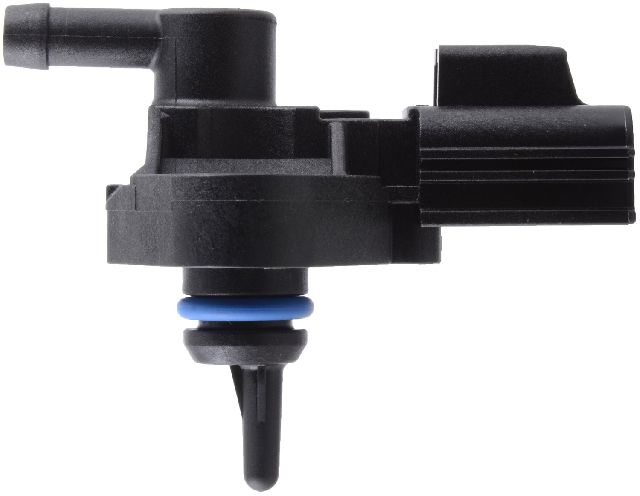
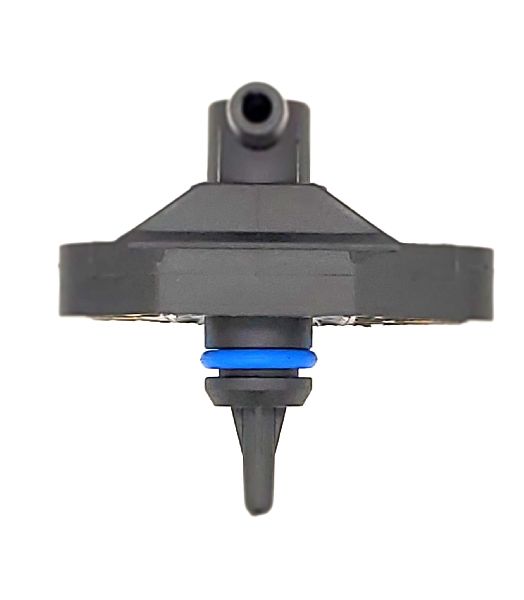
The sensor is located on the engine's fuel rail. It typically has a 3 or 4-pin electrical connector. The 2005-2009 Expedition uses a returnless fuel system, where pressure is regulated by the Fuel Pump Driver Module (FPDM) based on input from this sensor.
We Have This Part in Stock


The information in this article is provided for general reference and educational purposes only. Vehicle specifications, procedures, and part compatibility can vary by production date, trim level, and region. Always consult your vehicle's factory service manual and verify part numbers before purchasing or performing repairs. Safety-critical components such as airbags, seat belts, and braking systems should be installed by a qualified professional.
- Ford Expedition: