

A Guide to the Engine Timing Belt for the 2005-2009 Hyundai Tucson
Understanding this critical part is key to avoiding catastrophic engine failure in your Tucson.
- Both the 2.0L and 2.7L V6 engines are interference engines; a broken timing belt will cause catastrophic damage.
- The replacement interval is 60,000 miles or 5 years, whichever comes first. Do not delay this service.
- Always replace the timing belt, water pump, tensioner, and idlers together as a complete kit.
- For the 2.7L V6, pay special attention to the tensioner arm/bracket, as it is a common failure point and not always included in kits.
The Most Important Maintenance Item on Your Tucson

When it comes to your 2005-2009 Hyundai Tucson, no single maintenance item is more critical than replacing the timing belt on schedule. Because both the 2.0L and 2.7L V6 engines are interference designs, a snapped belt doesn't just leave you stranded; it almost guarantees catastrophic engine damage. The pistons will collide with the valves, leading to a repair bill that can easily exceed the vehicle's value. There are often no warning signs before a belt breaks, so sticking to the recommended replacement interval is your only defense.
Symptoms of a Failing Timing Belt

While a timing belt can break without warning, a worn or loose belt may sometimes provide clues that it needs attention. If you notice any of these symptoms, have your vehicle inspected immediately.
- Ticking or Clicking Noise: A repetitive ticking sound from the front of the engine can indicate the belt is loose or a pulley is failing.
- Engine Misfires: If the belt has stretched or skipped a tooth, the cam/crank timing will be off, leading to rough running and misfires.
- Difficulty Starting or No Start: A slipped belt can make the engine hard to start. If the belt has broken, the engine will crank but will not start.
- Loss of Power: Incorrect timing from a worn belt reduces engine efficiency and power.
- Check Engine Light: Camshaft or crankshaft position sensor codes (like P0016, P0017, or P0300) can be triggered by incorrect timing.
Choosing the Right Aftermarket Timing Belt Kit

When shopping for a replacement, you must buy a complete kit, not just the belt. A full kit includes the belt, tensioner(s), and idler pulleys. The water pump is also driven by the timing belt and should always be replaced at the same time to avoid duplicate labor costs later. Aftermarket brands offer excellent quality, often from the same companies that supply Hyundai.
Tier 1: OEM Quality or Better
These brands are known OEM suppliers and offer the highest quality and peace of mind. They are a direct equivalent to the part you would get from a Hyundai dealer.
- Gates: Frequently cited as the original equipment manufacturer for Hyundai. Gates kits are considered a top-tier choice for a complete, reliable repair.
- Continental (ContiTech): Another major OEM supplier known for high-quality rubber and long-lasting belts.
- Bando: A respected Japanese manufacturer that is an OEM supplier to many Asian automakers, known for durability.
Tier 2: Reputable Aftermarket Brands
These brands provide reliable, quality parts that meet or exceed OEM specifications and are excellent choices for this repair.
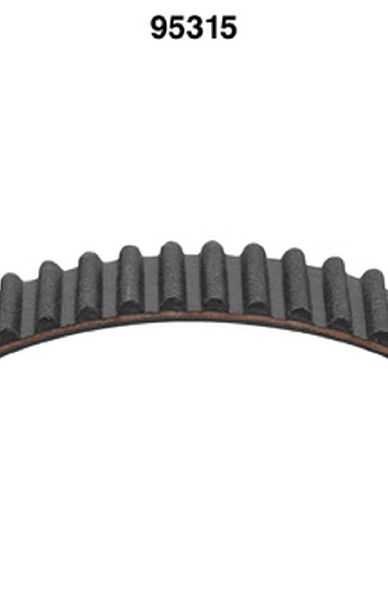
- Dayco: Known for its unique Kevlar-reinforced construction and patented tooth design.
- ACDelco: A well-known and trusted brand offering quality components.
- Cloyes: Long-standing company with a strong reputation in timing components.
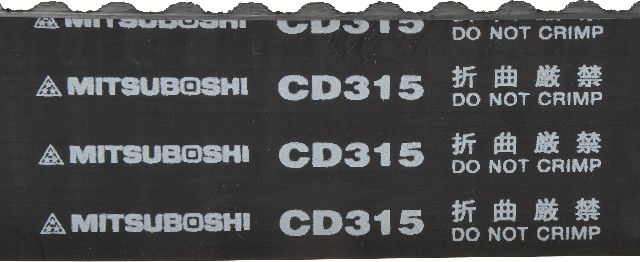
- Mitsuboshi: A quality OEM supplier, similar in reputation to Bando.
Critical Note for 2.7L V6 Owners
A common failure point on the 2.7L V6 engine is the tensioner arm/bracket that the hydraulic tensioner pushes against. This bracket can wear out, causing the new belt to be misaligned and shred itself. Many standard timing belt kits do not include this specific bracket. Inspect the original bracket carefully and replace it if there is any sign of wear. You may need to source this part separately.
| Part/Service | Estimated Cost |
|---|---|
| Aftermarket Timing Belt Kit (with water pump) | $120 - $250 |
| Shop Labor | $330 - $500 |
| Total Professional Replacement | $600 - $1,100+ |
Frequently Asked Questions (FAQ)

When should I replace the timing belt on my 2005-2009 Tucson?
The manufacturer-recommended interval is every 60,000 miles or 48-60 months, whichever comes first. Given the interference engine design, it is critical not to extend this interval.
Do I really need to replace the water pump and tensioners too?
Yes, absolutely. The labor to access the timing belt is the most expensive part of the job. The water pump and tensioner pulleys have a similar service life to the belt. If one of these components fails after a belt-only replacement, you will have to pay for the same labor all over again, and a failed pulley or water pump can destroy the new belt, causing engine damage.
Is the timing belt the same for the 2.0L and 2.7L V6 engines?
No, they are different parts and use different kits. The 2.0L 4-cylinder and 2.7L V6 have unique timing belt systems. Ensure you purchase the correct kit for your specific engine.
Can I replace the timing belt myself?
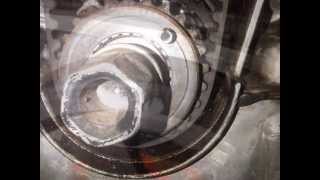
This is an advanced repair. It requires specific tools, precision, and a significant amount of engine disassembly. Mistakes in setting the timing can damage the engine upon startup. For most DIY mechanics, this job is not recommended. If you are not highly experienced, this repair is best left to a professional mechanic.
Are there any recalls on the timing belt for this Tucson?
No. Searches of the NHTSA database show no recalls or specific Technical Service Bulletins (TSBs) for timing belt failure on the 2005-2009 Hyundai Tucson. All replacements are considered scheduled maintenance.
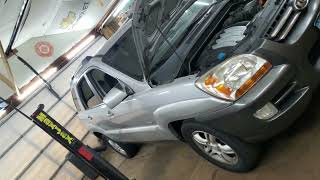
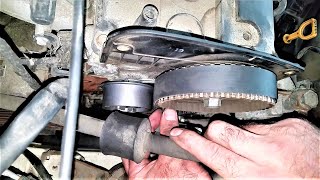
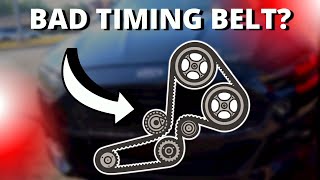
Helpful Videos
Technical Specifications
OEM Part Numbers: 24312-37500 24312-23202
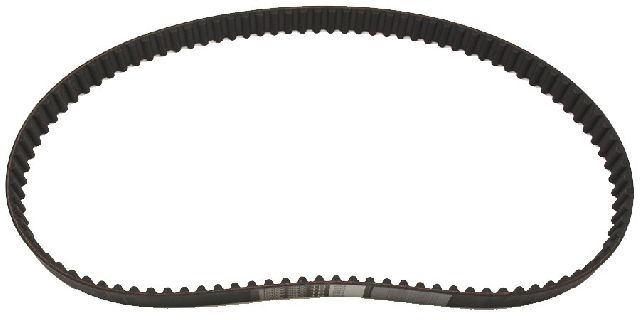
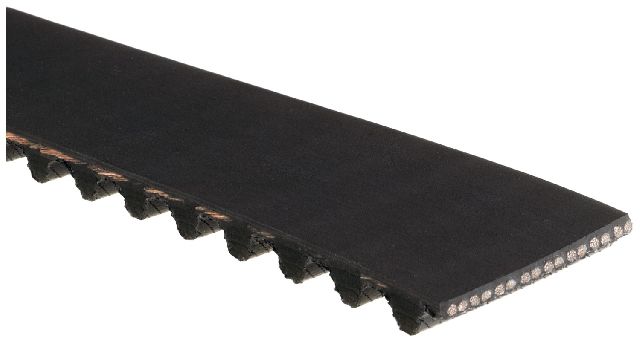
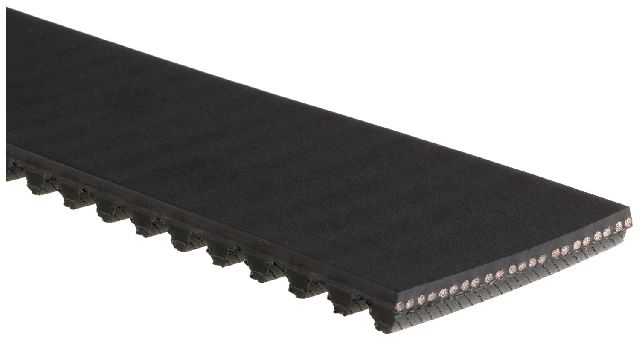
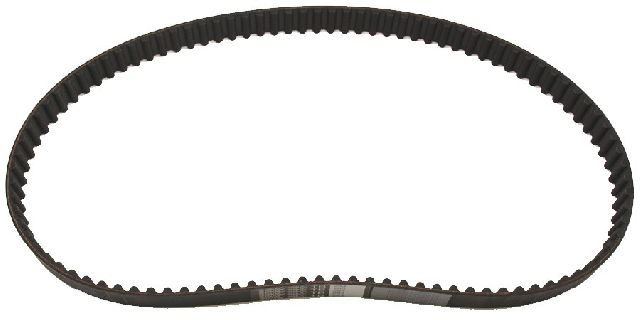
The 2005-2009 Hyundai Tucson uses a rubber composite timing belt. The 2.0L Beta II G4GC engine and the 2.7L Delta G6BA engine are both interference designs. Replacement requires a complete kit including the belt, tensioner(s), idler pulley(s), and water pump.
We Have This Part in Stock

The information in this article is provided for general reference and educational purposes only. Vehicle specifications, procedures, and part compatibility can vary by production date, trim level, and region. Always consult your vehicle's factory service manual and verify part numbers before purchasing or performing repairs. Safety-critical components such as airbags, seat belts, and braking systems should be installed by a qualified professional.
- Hyundai Tucson:
- 🎬 Helpful Videos
- 🛍️ Shop This Part
- The Most Important Maintenance Item on Your Tucson
- Symptoms of a Failing Timing Belt
- Choosing the Right Aftermarket Timing Belt Kit
- Tier 1: OEM Quality or Better
- Tier 2: Reputable Aftermarket Brands
- Critical Note for 2.7L V6 Owners
- Frequently Asked Questions (FAQ)
- 🎟️ Get 5% Off