

A Guide to the Throttle Position Sensor for the 2005-2009 Hyundai Tucson
Understand the common failure symptoms and learn how to choose the right aftermarket replacement for your first-generation Tucson.
- A failing TPS on a 2005-2009 Tucson often causes hesitation, rough idle, and transmission shifting problems.
- This is a DIY-friendly repair; the sensor is located on the throttle body and is held by two screws.
- No specific recalls exist for the TPS on this Tucson model, so repair is the owner's responsibility.
- Aftermarket brands like Beck Arnley and Standard Motor Products offer quality close to OEM, while others provide a budget-friendly option.
Understanding Throttle Position Sensor Failures in Your Tucson

If you own a 2005-2009 Hyundai Tucson, a failing throttle position sensor (TPS) can cause a range of frustrating and noticeable engine problems. Because this sensor is crucial for telling the engine's computer how much power you're asking for, any malfunction can lead to poor performance. Recognizing the signs early can help you get the right fix and avoid more complex issues.
Common Symptoms of a Bad TPS

A bad TPS sends incorrect information to your Tucson's computer, which can mimic other engine problems. Here are the most common signs specific to a failing throttle position sensor:
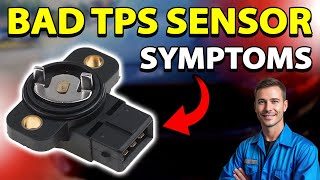
🎬 Watch a breakdown of common bad TPS symptoms and problems.- Hesitation and Poor Acceleration: You might press the gas pedal and feel a delay or a lack of power. The engine may struggle to accelerate smoothly.
- Rough or High Idle: Your engine might idle much higher than usual, or the idle may be rough and inconsistent.
- Sudden Surges or Stalling: The vehicle might unexpectedly surge forward while driving or stall when you come to a stop.
- Transmission Shifting Problems: Since the TPS helps control automatic transmission shifts, a bad sensor can cause hard, delayed, or incorrect gear changes.
- Check Engine Light: A failing TPS will almost always trigger the Check Engine Light. Common trouble codes include P0121, P0122, and P0123, which point to a problem in the TPS circuit.
Can You Drive with a Bad TPS?
While you might be able to drive your Tucson with a faulty TPS, it's not recommended. Symptoms like sudden stalling, lack of acceleration, and unpredictable engine behavior can be dangerous, especially in traffic. It's best to get the issue diagnosed and repaired as soon as possible.
Choosing the Right Aftermarket Replacement Part

For the 2005-2009 Tucson, the TPS is a separate component that can be replaced without having to buy the entire throttle body assembly. When choosing an aftermarket part, quality can vary. Here’s a breakdown of common brand tiers to help you decide.
- Premium Aftermarket (e.g., Beck Arnley, Standard Motor Products): These brands are often considered OE-equivalent. Beck Arnley is known for sourcing parts from OEM suppliers, so you might get an original-quality part in their box. Standard Motor Products also has a reputation for producing reliable sensors that are rigorously tested. These are a solid choice for reliability and fit.
- Quality Aftermarket (e.g., Walker Products, Dorman): These brands offer a good balance of price and quality. Walker Products has a long history and manufactures parts to meet or exceed OEM standards. Dorman provides direct-fit replacements and often includes improvements over the original design. However, some forum users have reported mixed long-term reliability with Dorman sensors on other vehicles, so experiences can vary.
- Value-Oriented (e.g., Replacement, Skyward, True Tech): These brands provide the most budget-friendly options. They are a viable choice if the cost is your primary concern. While they are designed to fit and function, they may not have the same long-term durability or rigorous testing as premium brands.
Installation Pro-Tip
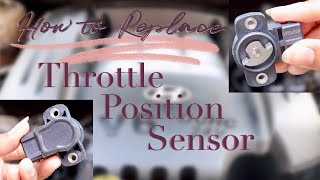
Replacing the TPS on a 2005-2009 Tucson is a straightforward job for a DIYer with basic tools. The sensor is located on the side of the throttle body. You will need to remove the engine cover and air intake hose to access it. The sensor is typically held on by two small screws. Be careful not to overtighten the new screws, as the sensor housing is plastic. 🎬 See a step-by-step guide to replacing your throttle position sensor. After installation, some sources recommend a throttle relearn procedure, which can often be done by cycling the ignition without starting the engine or by disconnecting the battery for a short period.
Cost of Replacing a Throttle Position Sensor

| Part Type | Estimated Cost |
|---|---|
| New Aftermarket Part | $21 - $69 |
| New OEM Part | $129 - $204 |
| Shop Labor | $49 - $72 |
| Total Professional Replacement | $99 - $276 |
Frequently Asked Questions (FAQ)
Is there a recall on the 2005-2009 Tucson for the throttle position sensor?
No, there are no specific recalls for the throttle position sensor on the 2005-2009 Hyundai Tucson. Searches of NHTSA data show recalls for other issues on later model years, but not for the TPS on this generation.
Do I need to recalibrate the new TPS after installing it?
While not always mandatory, a throttle relearn procedure is recommended. This helps the vehicle's computer learn the new sensor's voltage range. A common method involves turning the ignition to the 'ON' position (without starting the engine) for 15 seconds, then 'OFF' for 5 seconds, and repeating this cycle five times. Alternatively, disconnecting the battery for 15 minutes can also reset the ECU.
Can a bad TPS cause my transmission to act up?
Yes. The ECU uses the TPS signal to help determine when to shift gears. If the signal is incorrect, it can lead to hard shifting, delayed shifting, or the transmission getting stuck in one gear.
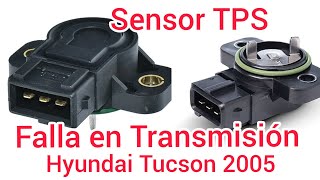
🎬 Learn how a faulty TPS affects your Tucson's automatic transmission.What's the difference between a cheap and an expensive aftermarket TPS?
The difference often comes down to the quality of the internal components, the level of testing, and durability. Premium brands like Beck Arnley or Standard Motor Products use higher-grade materials and perform extensive testing to ensure the sensor's output is accurate and stable over a long period. Cheaper sensors may work correctly initially but can have a shorter lifespan or less precise readings, potentially leading to performance issues sooner.
Helpful Videos
Technical Specifications
OEM Part Numbers: 35170-37100 35170-22600
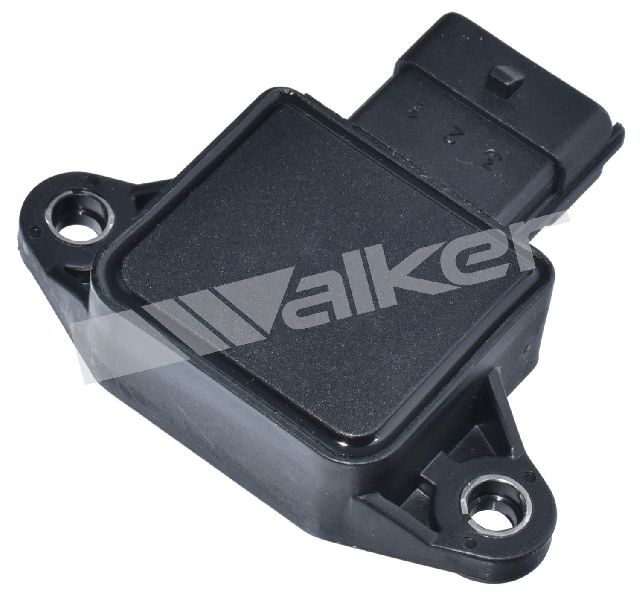
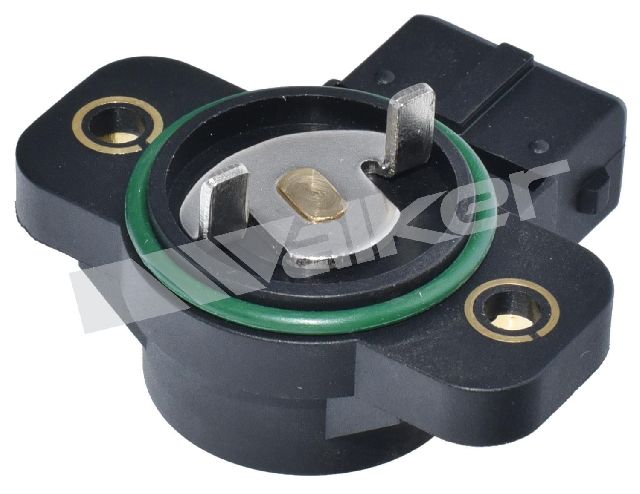
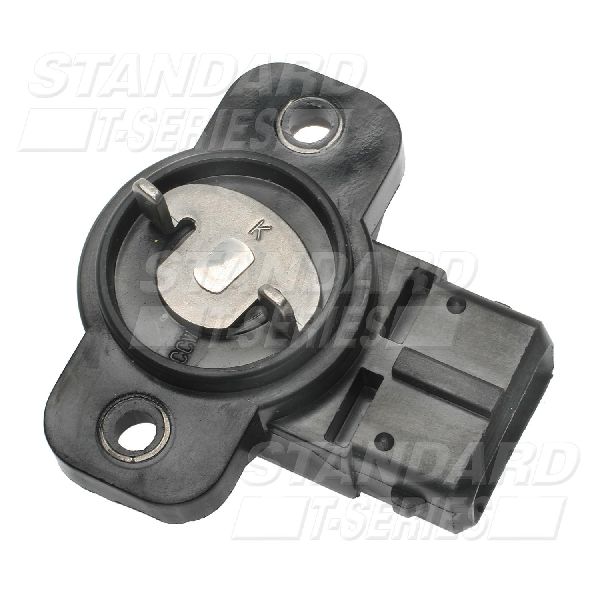
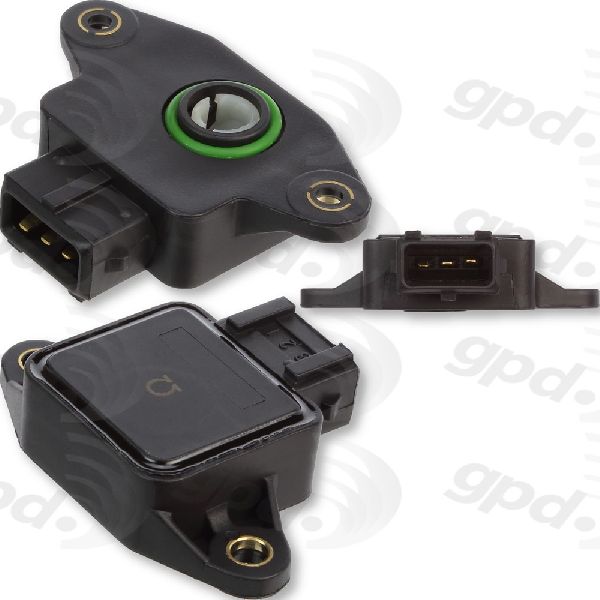
The Throttle Position Sensor for the 2005-2009 Hyundai Tucson is a three-pin or six-pin potentiometer-type sensor mounted to the throttle body. It sends a variable voltage signal to the ECU corresponding to the throttle plate's angle. The correct sensor depends on the engine (2.0L 4-cylinder or 2.7L V6).
We Have This Part in Stock


The information in this article is provided for general reference and educational purposes only. Vehicle specifications, procedures, and part compatibility can vary by production date, trim level, and region. Always consult your vehicle's factory service manual and verify part numbers before purchasing or performing repairs. Safety-critical components such as airbags, seat belts, and braking systems should be installed by a qualified professional.
- Hyundai Tucson:
- 🎬 Helpful Videos
- 🛍️ Shop This Part
- Understanding Throttle Position Sensor Failures in Your Tucson
- Common Symptoms of a Bad TPS
- Can You Drive with a Bad TPS?
- Choosing the Right Aftermarket Replacement Part
- Installation Pro-Tip
- Cost of Replacing a Throttle Position Sensor
- Frequently Asked Questions (FAQ)
- 🎟️ Get 5% Off