

Land Rover LR3 (2005-2009) Oxygen Sensor Guide
Fix your check engine light and improve fuel economy by choosing the right O2 sensor for your LR3.
- Your LR3 has four O2 sensors; two upstream for fuel control and two downstream for catalyst monitoring.
- Stick to OEM (Denso) or high-quality aftermarket brands like Bosch to avoid performance issues and repeat repairs.
- Replacement can be a difficult DIY job, especially for the upstream sensors which may require moving the front driveshaft for access.
- Ensure you buy the correct sensors for your specific model year (2005-06 vs. 2007-09) as the connectors are different.
Is a Bad Oxygen Sensor Causing Your LR3's Problems?
A failing oxygen (O2) sensor is a common issue on the 2005-2009 Land Rover LR3, often causing the amber check engine light to appear on your dash. Because these sensors play a key role in how your engine uses fuel, a bad one can lead to noticeable problems. You might see a significant drop in fuel economy, a rough or vibrating idle, engine misfires, or a general feeling of sluggish acceleration. In some cases, you might even smell a "rotten egg" odor from the exhaust, which is a sign of unburned fuel damaging the catalytic converter—a much more expensive repair.
Don't Ignore the Check Engine Light
While you can drive with a bad O2 sensor, it's not recommended for long. An incorrect air-fuel mixture can lead to long-term damage to your engine and, more critically, your catalytic converters. Replacing a catalytic converter is far more expensive than replacing an O2 sensor.
Choosing the Right Aftermarket O2 Sensor for Your LR3
When it comes to sensors for a sensitive vehicle like the LR3, brand quality matters. Owners and technicians strongly recommend sticking with high-quality, direct-fit sensors. Avoid universal sensors that require cutting and splicing wires, as this often leads to problems. The original equipment (OEM) sensors for the LR3 were made by Denso.
Brand Quality Tiers
- Top Tier (OEM & Recommended): Denso and Bosch are the most trusted brands for the LR3. Denso was the original supplier, making it a guaranteed fit and performer. Bosch is another highly-regarded German brand that works well with European vehicles. Many owners report that their LR3s run best and are free of codes only when using these brands.
- Mid-Tier (Generally Reliable): Brands like NGK and Delphi are established manufacturers that produce quality sensors. While not the OEM for the LR3, they are generally considered reliable alternatives. However, some users have reported occasional issues with Delphi sensors on other vehicles, suggesting Denso or Bosch might be a safer bet.
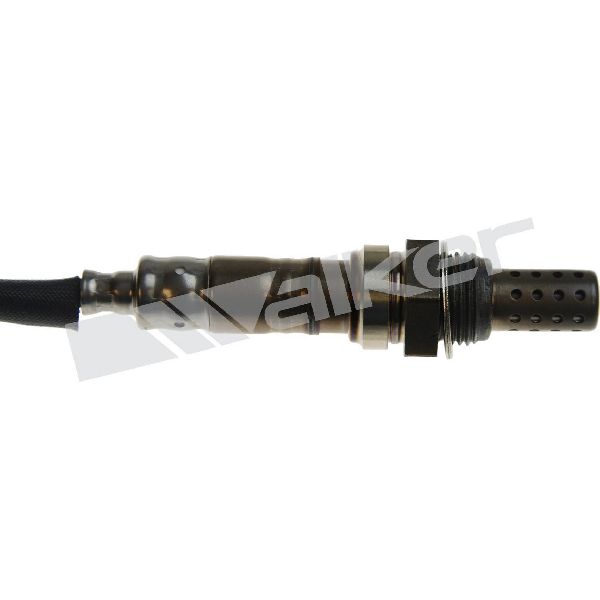
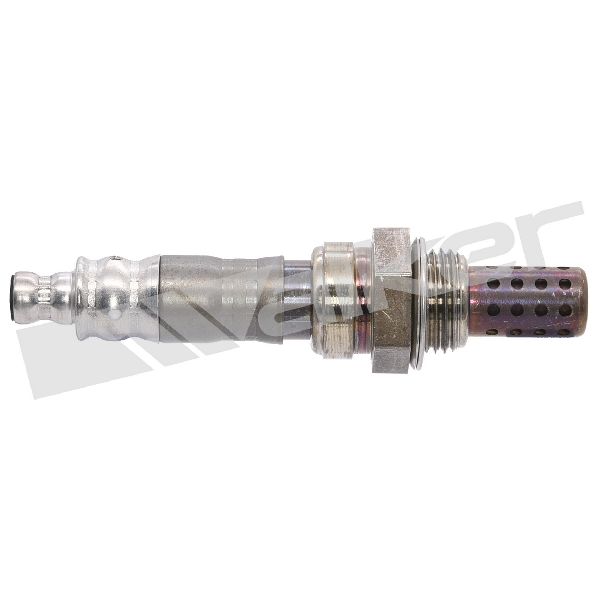
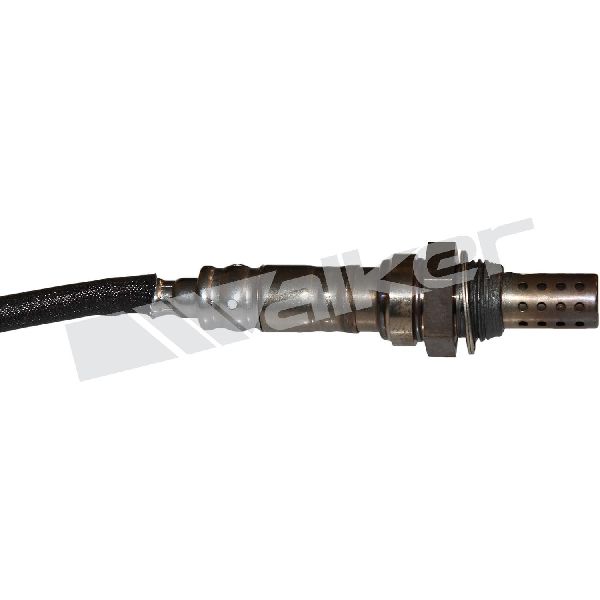
- Economy Tier (Use with Caution): Brands like Walker Products and DriveWire fall into the budget category. While some users have had success with Walker, others have experienced immediate check engine lights and failures. It's often a gamble; these brands may work, but the failure rate is higher. Given the labor involved in replacing some of the LR3's sensors, saving a few dollars on the part might not be worth the risk of having to do the job twice.
Pro Tip: Replace in Pairs or All Four
O2 sensors age and degrade over time. It's recommended to replace them around every 90,000 miles as a maintenance item. If one sensor fails, the others are likely not far behind. For best results, replace both upstream sensors at the same time, or all four if they are original and have high mileage. This ensures the engine computer receives consistent signals from both sides of the engine.
Known Issues and Vehicle-Specific Information
No recalls were found specifically for oxygen sensor failure on the 2005-2009 LR3. However, Land Rover has issued Technical Service Bulletins (TSBs) for later models related to O2 sensor software, requiring a dealer to update the Powertrain Control Module (PCM). If you replace your sensors and still have issues, a software update might be needed. Common fault codes for the LR3 include P0036, P0056 (heater circuit faults), P0154 (no activity), and P0153 (slow response).
| Item | Estimated Cost |
|---|---|
| New Aftermarket O2 Sensor (per sensor) | $48 - $211 |
| New OEM (Denso) O2 Sensor (per sensor) | $100 - $250 |
| Shop Labor to Replace One Sensor | $100 - $200 |
| Shop Labor to Replace All Four Sensors | $400 - $800+ |
Frequently Asked Questions
How many oxygen sensors does a 2005-2009 LR3 have?
All 2005-2009 LR3s, whether with the V6 or V8 engine, have four oxygen sensors. There are two upstream (pre-catalytic converter) and two downstream (post-catalytic converter) sensors.
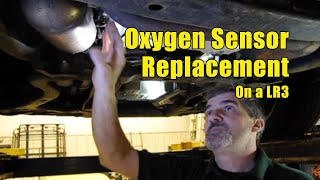
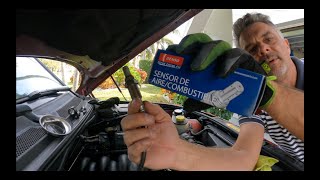
🎬 Watch this guide to locate and replace all four sensors.What is the difference between upstream and downstream sensors?
Upstream sensors (also called Sensor 1) are located before the catalytic converter and are the primary sensors for controlling the air-fuel ratio. Downstream sensors (Sensor 2) are located after the catalytic converter and primarily monitor its efficiency to make sure it's cleaning the exhaust properly.
Is replacing an LR3 oxygen sensor a DIY job?
It can be, but it's challenging. The downstream sensors are relatively easy to access. However, the upstream sensors, particularly the driver's side (Bank 2), are very difficult to reach due to being blocked by the front driveshaft. Many owners find they have to at least unbolt the driveshaft to gain access. 🎬 See how to navigate tight spaces when changing your sensors. You will also need a special O2 sensor socket with a slit for the wire. If the sensors are seized in the exhaust pipe, removal can be very difficult.
Do I need to buy different sensors for 2005-2006 and 2007-2009 models?
Yes, there are different part numbers for the 2005-2006 and 2007-2009 model years. The connectors are keyed differently to prevent incorrect installation. It is essential to order the correct sensors for your specific model year to ensure they plug into the vehicle's harness.
Helpful Videos
Technical Specifications
OEM Part Numbers: MHK500840 MHK500820 234-9075 234-4265 234-4266
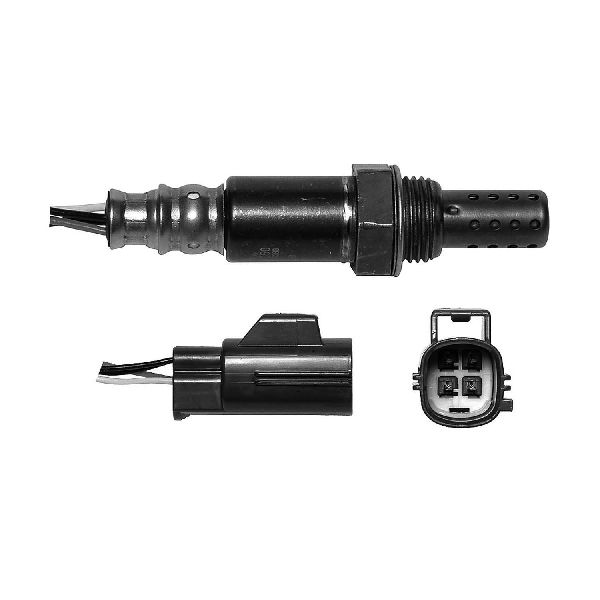
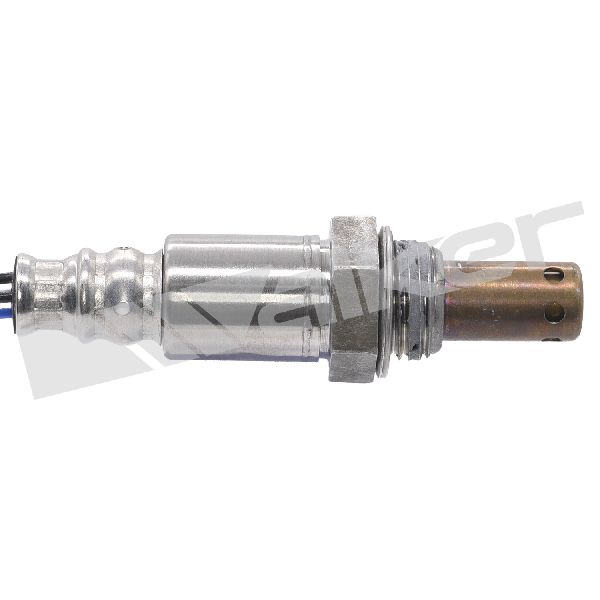
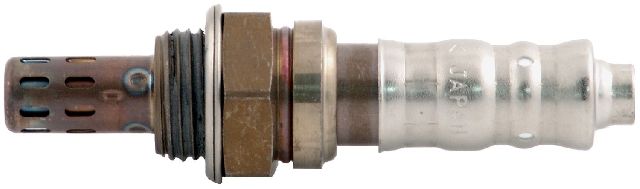
The 2005-2009 Land Rover LR3 uses four heated, direct-fit oxygen sensors. There are distinct parts for upstream (pre-cat) and downstream (post-cat) locations, as well as specific part numbers for 2005-2006 and 2007-2009 model years. All sensors use a 7/8" (22mm) hex fitting.
We Have This Part in Stock

The information in this article is provided for general reference and educational purposes only. Vehicle specifications, procedures, and part compatibility can vary by production date, trim level, and region. Always consult your vehicle's factory service manual and verify part numbers before purchasing or performing repairs. Safety-critical components such as airbags, seat belts, and braking systems should be installed by a qualified professional.
- Land Rover LR3:
- 🎬 Helpful Videos
- 🛍️ Shop This Part
- Is a Bad Oxygen Sensor Causing Your LR3's Problems?
- Don't Ignore the Check Engine Light
- Choosing the Right Aftermarket O2 Sensor for Your LR3
- Brand Quality Tiers
- Pro Tip: Replace in Pairs or All Four
- Known Issues and Vehicle-Specific Information
- Frequently Asked Questions
- 🎟️ Get 5% Off