

Saab 9-7x (2005-2009) Engine Coolant Temperature Sensor Replacement and Diagnosis
Understanding the GM-based heart of your Saab is the first step to a simple and affordable temperature sensor fix.
- Your Saab 9-7x uses common GM engines, making parts like the ECT sensor easy to find and affordable.
- A bad ECT sensor can cause a check engine light, poor fuel economy, and an incorrect temperature gauge reading.
- For this part, Delphi is an excellent alternative to the more expensive AC Delco OEM part, as they were often the original manufacturer.
- If you have a P0128 trouble code, inspect the thermostat as well, as it is a very common cause for that specific code.
Understanding Your Saab 9-7x and its GM Roots
Before diving into the specifics of the Engine Coolant Temperature (ECT) sensor, it's important to know that your 2005-2009 Saab 9-7x shares its core platform and engines with General Motors vehicles like the Chevrolet Trailblazer and GMC Envoy. This is good news for owners, as it means parts like the ECT sensor are widely available, affordable, and well-understood by mechanics. The original equipment (OEM) parts are typically made by AC Delco, a GM brand.
Symptoms of a Failing Coolant Temperature Sensor
A bad ECT sensor can cause a variety of confusing symptoms. Because the sensor's reading affects so many engine functions, a failure can mimic other problems. Here are the most common signs to watch for:
- Check Engine Light: A failing sensor will often trigger the Check Engine Light. Common trouble codes include P0117 (Sensor Circuit Low), P0118 (Sensor Circuit High), and P0128 (Coolant Temperature Below Thermostat Regulating Temperature).
- Erratic Temperature Gauge: The gauge on your dashboard might read unusually high, unusually low, or not move at all. A Saab 9-7x owner reported their gauge would drop to zero, which also disabled the air conditioning.
- Poor Fuel Economy: If the sensor incorrectly tells the computer the engine is cold, the computer will enrich the fuel mixture, causing the engine to run rich and burn more gas.
- Engine Performance Issues: You might experience rough idling, hard starting, or even black smoke from the exhaust if the fuel mixture is too rich.
- Engine Overheating: If the sensor fails to report a high temperature, the cooling fans may not turn on when needed, leading to the engine overheating.
A Note on Code P0128
The P0128 code is very common on these GM-platform vehicles. While it can be caused by a faulty ECT sensor, it is very often caused by a thermostat that is stuck open. If you get a P0128 code, it's wise to inspect the thermostat as well. If the engine takes a long time to warm up or the temperature drops on the highway, the thermostat is the likely culprit.
🎬 Watch this step-by-step guide on replacing the thermostat.Choosing the Right Aftermarket Sensor
With many brands available, choosing the right one can be confusing. For the Saab 9-7x's GM engine, parts quality can be grouped into tiers. The original part is AC Delco.
Pro Tip: Delphi was a part of General Motors and a major OEM supplier. For many electronic parts on this vehicle, a Delphi part is often identical to the AC Delco part, sometimes at a lower price.
Brand Quality Tiers
- Tier 1 (OEM / OEM-Equivalent): AC Delco, Delphi, NGK (NTK). These brands are known for their OE heritage and quality. They are manufactured to meet or exceed original specifications and are the most reliable choice.
- Tier 2 (Quality Aftermarket): Standard Motor Products (SMP), Hella, Walker Products, Four Seasons. These are reputable aftermarket brands that offer a good balance of quality and value. They are a solid choice for a reliable repair without the premium price of an OEM part.
- Tier 3 (Value Brands): True Tech, Global Parts, and other store brands. These are typically the most affordable options. While they can get your vehicle back on the road, their long-term durability and accuracy may not match the higher-tiered brands. Some users in forums have noted issues with the accuracy of lower-cost sensors.
| Part Type | Estimated Cost |
|---|---|
| New Aftermarket | $16.81 - $60.81 |
| New OEM (AC Delco) | $35 - $55 |
| Shop Labor | $110 - $161 |
Frequently Asked Questions (FAQ)
Where is the ECT sensor located on my Saab 9-7x?
The location depends on your engine and year. For the 4.2L I6 engine, models from 2005 and earlier have the sensor on the driver's side of the cylinder head, near the thermostat. For 2006-2009 4.2L models, it was moved to the rear of the cylinder head on the passenger side, which is harder to access. For the V8 engines (5.3L and 6.0L), the sensor is typically located on the driver's side cylinder head, towards the front of the engine.
Is this a difficult repair to do myself?
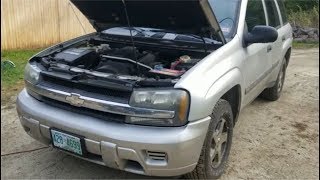
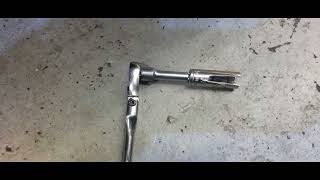
For V8 models and early 4.2L models where the sensor is at the front, it is a very easy DIY job, rated 1 out of 5 for difficulty. It should take less than an hour. For 2006-2009 4.2L models with the sensor at the rear of the engine, access is much tighter and more difficult. 🎬 See how to replace the sensor on 2006-2009 models. You will lose some coolant during the swap, so have a clean pan to catch it and some new coolant ready to top off the system.
Are there any recalls for this part?
No, there are no specific recalls for the engine coolant temperature sensor on the 2005-2009 Saab 9-7x. There have been other recalls for this vehicle, such as for a master power window switch, but none related to the ECT sensor.
Should I replace the connector at the same time?
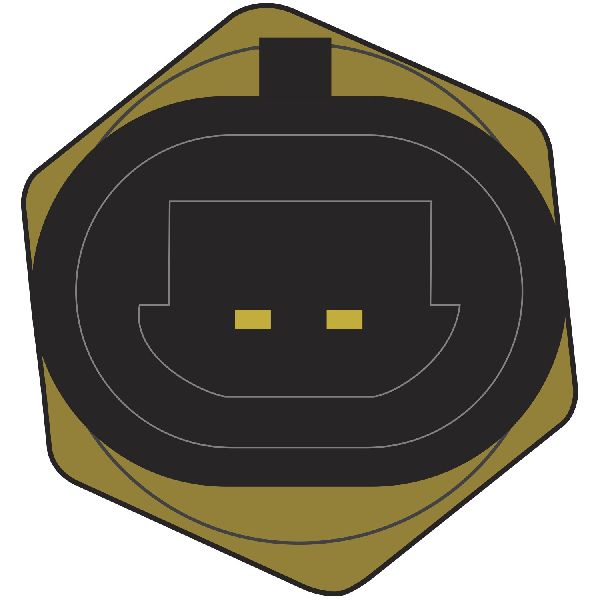
It's a good idea to inspect the connector. The plastic can become brittle over time from heat cycles. If the locking tab is broken or the wiring looks corroded or damaged, you should replace the connector pigtail to ensure a good connection.
Helpful Videos
Technical Specifications
OEM Part Numbers: 12608814 15326388 19236568 213-4514 12586299 12601050
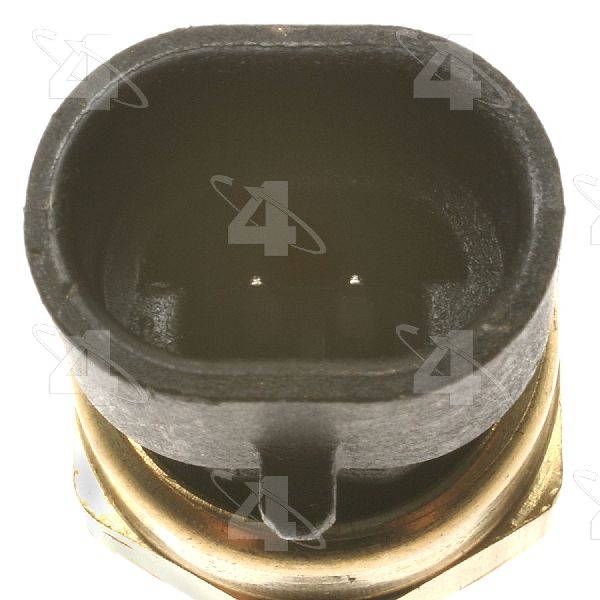
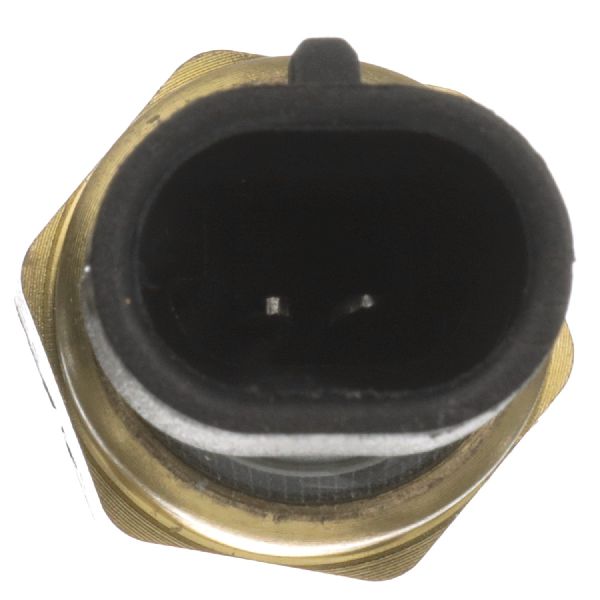
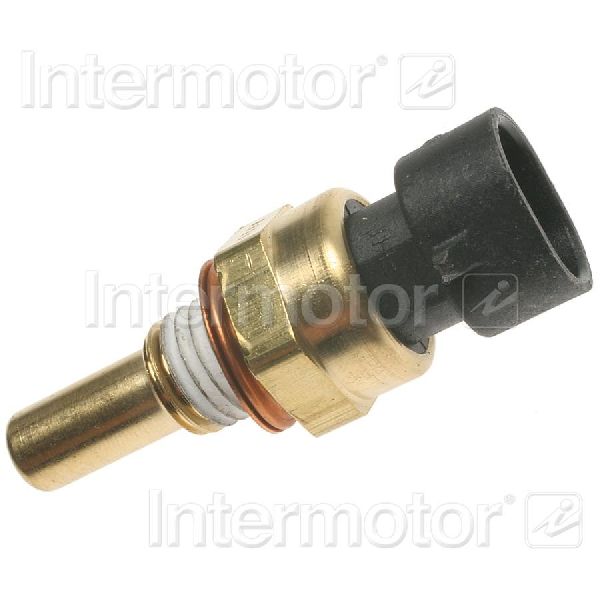
The sensor for the Saab 9-7x is shared across its GM platform siblings like the Chevrolet Trailblazer. Part numbers can vary slightly by engine (4.2L, 5.3L, 6.0L) and year, but many are interchangeable. Always verify fitment by your specific vehicle details. The connector is a 2-pin oval shape.
We Have This Part in Stock


The information in this article is provided for general reference and educational purposes only. Vehicle specifications, procedures, and part compatibility can vary by production date, trim level, and region. Always consult your vehicle's factory service manual and verify part numbers before purchasing or performing repairs. Safety-critical components such as airbags, seat belts, and braking systems should be installed by a qualified professional.
- Saab 9-7x: