

Saab 9-7x Oxygen Sensor Guide for 2005-2009 Models
Keep your Saab 9-7x running efficiently by understanding its critical oxygen sensors.
- Confirm your engine (4.2L, 5.3L, or 6.0L) to buy the correct number of sensors.
- Choose direct-fit sensors from premium brands like Denso, Bosch, or NGK for OEM-level performance.
- Use a special oxygen sensor socket and a small amount of anti-seize compound on the threads for easier installation.
- Do not ignore a Check Engine Light for a bad O2 sensor, as it can lead to poor fuel economy and damage to your catalytic converter.
Symptoms of a Failing Oxygen Sensor
When an oxygen sensor starts to fail, it can cause several noticeable problems. Because the sensor is key to managing the fuel mixture, a bad sensor often leads to poor engine performance and efficiency. Don't ignore these signs, as a faulty sensor can lead to more expensive repairs, like a damaged catalytic converter, down the road.
- Check Engine Light: A faulty oxygen sensor is a very common reason for the check engine light to come on. Common trouble codes include P0131, P0133, P0171, and P0172.
- Poor Fuel Economy: Your gas mileage will likely decrease because the engine's computer can't get the right information to maintain an efficient fuel mixture.
- Rough Idle and Engine Performance: You might notice your engine running rough, hesitating, or even stalling. This happens when the air-fuel mixture is too rich (too much fuel) or too lean (not enough fuel).
- Failed Emissions Test: An incorrect fuel mixture caused by a bad O2 sensor will lead to higher levels of pollutants in your exhaust, causing you to fail an emissions inspection.
Choosing the Right Aftermarket Oxygen Sensor
The Saab 9-7x is based on the same platform as the Chevrolet Trailblazer, so it uses common GM parts. The original factory (OEM) sensors are typically AC Delco, which are often manufactured by brands like Denso or Delphi. This means you can get OEM-quality without paying dealership prices. Aftermarket brands offer a range of quality and price points.
Brand Quality Tiers
When shopping for a replacement, consider these brand tiers. High-quality sensors provide the most reliable performance and longevity.
- Premium Brands (OEM-Equivalent): Bosch, Denso, Delphi, and NGK (NTK). These brands are often the original equipment manufacturers for many vehicles, including GM models. They are engineered to meet or exceed factory specifications and are the most recommended choice for a direct-fit, reliable replacement. Forum discussions among owners of similar GM vehicles often favor Denso and NGK/NTK for best performance.
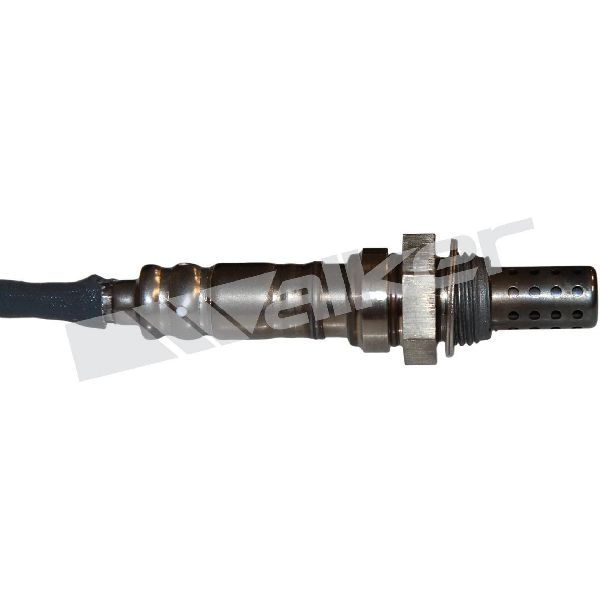
- Standard Brands: Walker Products and Spectra. These brands offer a good balance of quality and value. They are dependable replacements for a daily driver and meet standard performance requirements.
- Economy Brands: DriveWire. These are budget-friendly options that will get the job done. While they may not have the same longevity or precise calibration as premium brands, they are a viable option for older vehicles or tight budgets.
| Part Type | Estimated Cost |
|---|---|
| New Aftermarket Oxygen Sensor | $35 - $137 |
| New OEM Oxygen Sensor | $150 - $250 |
| Shop Labor for Installation | $100 - $150 per sensor |
Frequently Asked Questions
How many oxygen sensors does my Saab 9-7x have?
It depends on your engine. The 4.2L inline-6 engine has two oxygen sensors: one upstream (before the catalytic converter) and one downstream (after the catalytic converter). The 5.3L and 6.0L V8 engines have four oxygen sensors: two upstream and two downstream, one for each engine bank.
What is the difference between an upstream and a downstream sensor?
The upstream sensor (also called Sensor 1) is located before the catalytic converter and is the primary sensor for controlling the air-fuel mixture. The downstream sensor (Sensor 2) is located after the catalytic converter and its main job is to monitor the converter's efficiency. They are not interchangeable.
Do I need a special tool to replace an oxygen sensor?
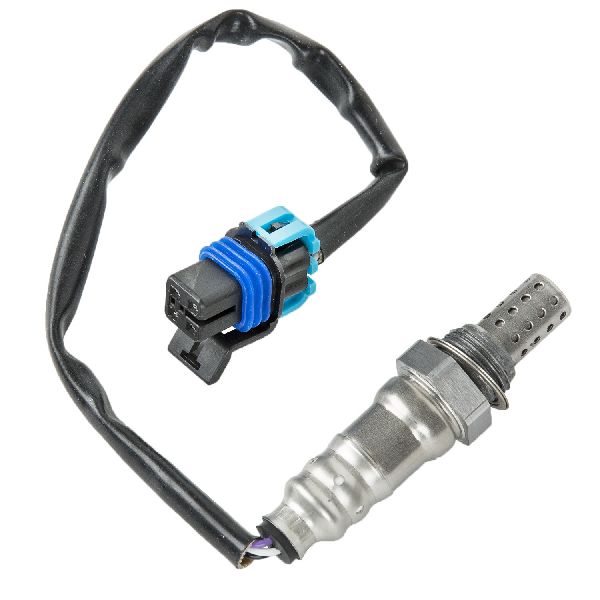
Yes, it is highly recommended to use an oxygen sensor socket. This special socket has a slot down the side to accommodate the sensor's wire. While you might be able to use a standard wrench, rust often makes the sensor difficult to remove, and the socket provides the best grip without damaging the new part.
Should I replace all the sensors at once?
You only need to replace the sensor that has failed. However, oxygen sensors have a similar lifespan, typically over 100,000 miles on modern cars. If one has failed due to age and high mileage, the others may not be far behind. If you are replacing one, it can be preventative maintenance to replace the corresponding sensor on the other bank (on V8 models) or both upstream sensors at the same time.
Are there any recalls for the Saab 9-7x oxygen sensor?
No, there are no specific recalls or technical service bulletins (TSBs) from NHTSA for oxygen sensor failure on the 2005-2009 Saab 9-7x. Failures are typically considered normal wear and tear. There was a recall for the driver's door module which could short circuit, but it is unrelated to the O2 sensors.
Technical Specifications
OEM Part Numbers: 12612506
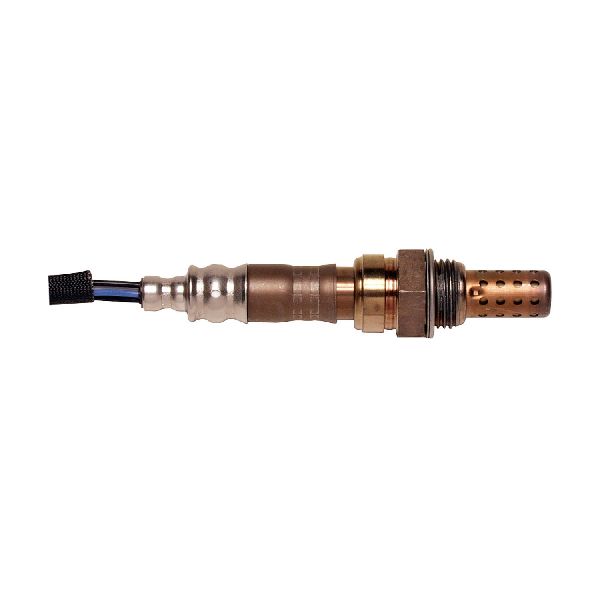
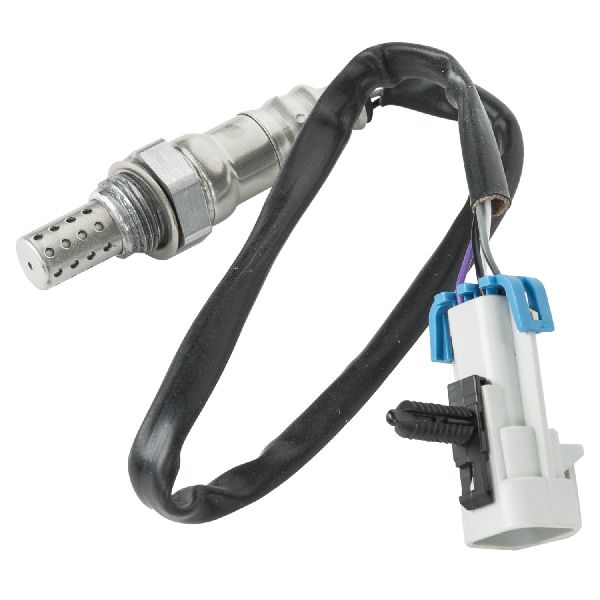
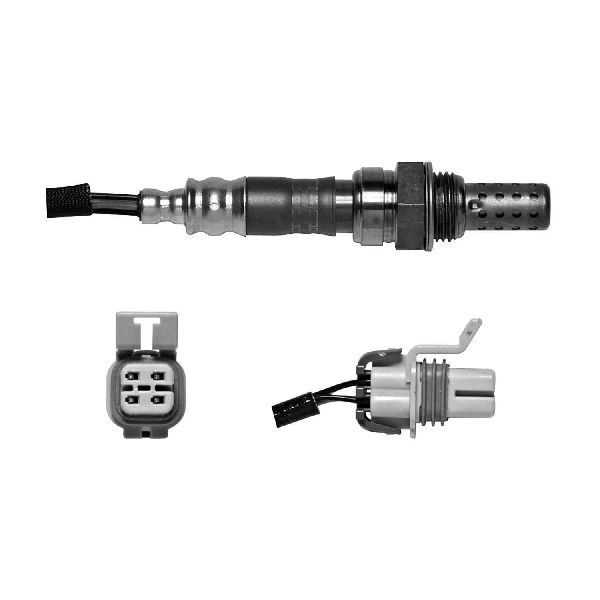
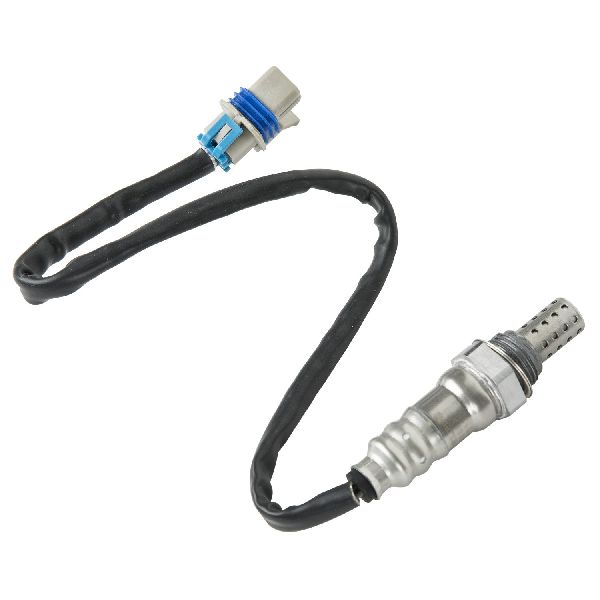
Thread Size: M18x1.5. Wrench Size: 22mm (7/8"). Connector: 4-pin square connector. Type: Heated (4-wire).
We Have This Part in Stock

The information in this article is provided for general reference and educational purposes only. Vehicle specifications, procedures, and part compatibility can vary by production date, trim level, and region. Always consult your vehicle's factory service manual and verify part numbers before purchasing or performing repairs. Safety-critical components such as airbags, seat belts, and braking systems should be installed by a qualified professional.
- Saab 9-7x: