

A Guide to Aftermarket Brake Rotors for the 2005-2009 Subaru Outback
Stop brake pulsation and steering wheel shake by choosing the right replacement rotors for your Outback.
- Vibration when braking is the most common sign of warped rotors on the 2005-2009 Outback.
- Quality aftermarket rotors, especially coated ones from brands like Centric, Bosch, or Powerstop, are often considered an upgrade over the factory rotors.
- Always replace brake pads and rotors at the same time, and always replace rotors in pairs on the same axle (front or rear).
- Check if your vehicle was affected by the brake LINE corrosion recall, especially if you live in a 'salt-belt' state.
Signs of a Bad or Failing Brake Rotor
If you're experiencing braking problems with your 2005-2009 Outback, the rotors are a likely cause. Owners of this generation frequently report issues with the original factory rotors. Watch for these common symptoms:
- Pulsating Brake Pedal or Shaking Steering Wheel: This is the most common complaint. If you feel a pulsing in the brake pedal or a vibration in the steering wheel when you apply the brakes, it's a classic sign of a warped rotor. Warping happens when the rotor's surface becomes uneven, causing the brake pads to grab and release as the rotor spins.
- Grinding or Squealing Noises: A loud grinding sound means the brake pads have completely worn away, and now metal is grinding against metal. This is a critical safety issue that damages the rotor beyond repair. High-pitched squealing can be the wear indicator on the pads telling you it's time for a replacement.
- Visible Damage: Look at the rotor's surface through your wheel spokes. If you see deep grooves, scoring, or a noticeable "lip" on the outer edge, the rotor is worn and needs replacement.
Important Safety Recall Information
There was a significant safety recall for 2005-2009 Subaru Outbacks registered in 'salt-belt' states concerning brake LINE corrosion. Saltwater could splash on the brake lines, causing them to rust and potentially leak brake fluid, which increases stopping distance. This is not a recall on the rotors themselves, but it is critical to ensure this recall work has been performed on your vehicle for the safety of the entire brake system.
Choosing the Right Aftermarket Rotors
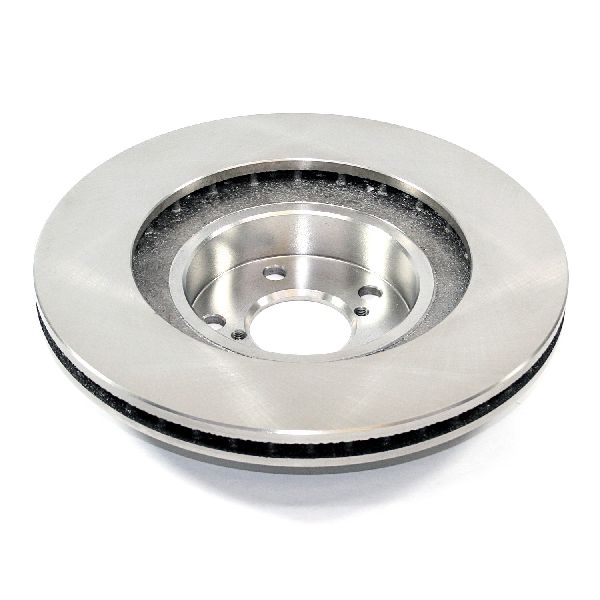
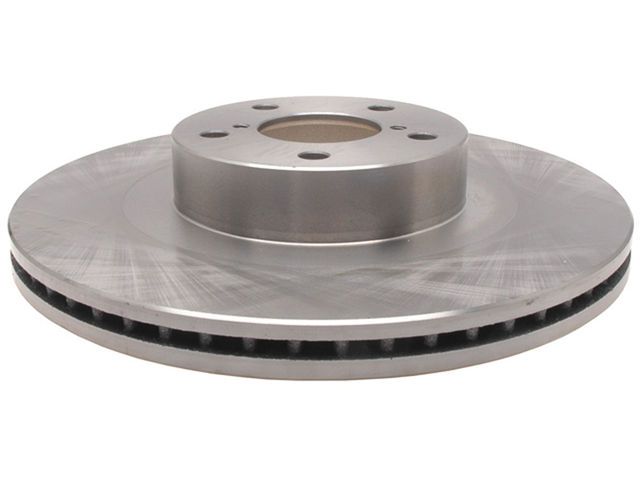
Many owners find that quality aftermarket rotors are a significant upgrade over the original factory parts, which are known to warp. Aftermarket brands offer different tiers of quality and performance. For rust-prone areas, choosing a rotor with a protective coating on the hub and edges is highly recommended to prevent corrosion.
Brand Tiers for Your Outback
Here’s how the available brands generally stack up for your vehicle:
- Daily Driver / Economy: These brands offer a reliable, budget-friendly replacement for normal driving. They meet or exceed original equipment (OE) specifications and are a great value. Brands in this category include Centric, Dynamic Friction, Pronto, and the standard lines from Raybestos.
- Premium / OEM-Quality: For drivers who want longevity and smooth, quiet performance similar to or better than the original parts. These rotors often feature superior metallurgy and coatings for better rust resistance. Look at brands like Advics (an OE supplier for many Japanese vehicles), Bosch, Beck Arnley, and Wagner.
- Performance / Heavy-Duty: If you tow, live in the mountains, or simply want a noticeable improvement in braking performance, these brands are the answer. They often feature slots or holes to dissipate heat and gases, reducing brake fade. Popular choices for the Outback include kits from Powerstop, StopTech, EBC Brakes, and Hawk Performance.
| Rotor Tier | Typical Price Range | Best For |
|---|---|---|
| Daily Driver (e.g., Centric, Pronto) | $42 - $80 | Normal commuting, budget repairs |
| Premium (e.g., Bosch, Advics) | $70 - $150 | Longevity, quiet operation, rust resistance |
| Performance (e.g., Powerstop, EBC) | $120 - $350+ | Towing, spirited driving, heavy use |
Pro Tip: Always replace your brake pads when you replace your rotors. Installing new rotors with old, worn pads will cause uneven wear and prevent the brakes from working properly. Also, rotors must be replaced in pairs on the same axle (both fronts or both rears) to ensure balanced braking.
Frequently Asked Questions (FAQ)
Do I need special drilled or slotted rotors?
For most daily driving, a solid, blank rotor is perfectly fine and often provides the best bite and quietest operation. Drilled and slotted rotors are primarily for performance applications. They help vent hot gases and water, which can improve braking during aggressive driving or when towing down long grades. For an Outback that sees mountain roads or carries heavy loads, a performance kit from a brand like Powerstop or EBC can be a worthwhile upgrade.
What's the difference between coated and uncoated rotors?
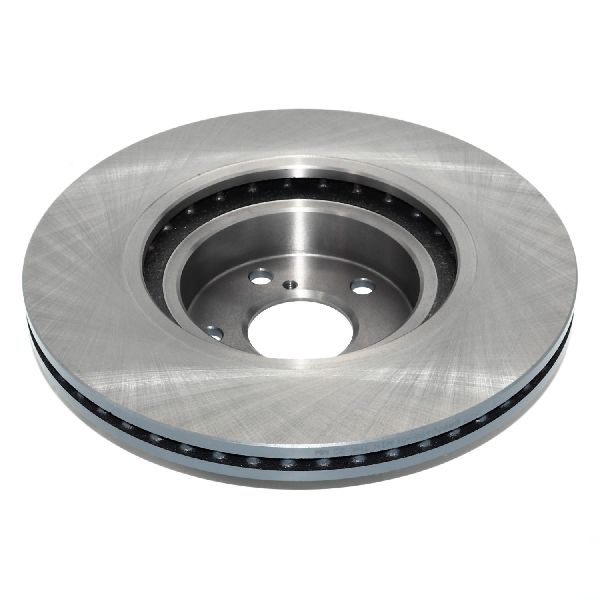
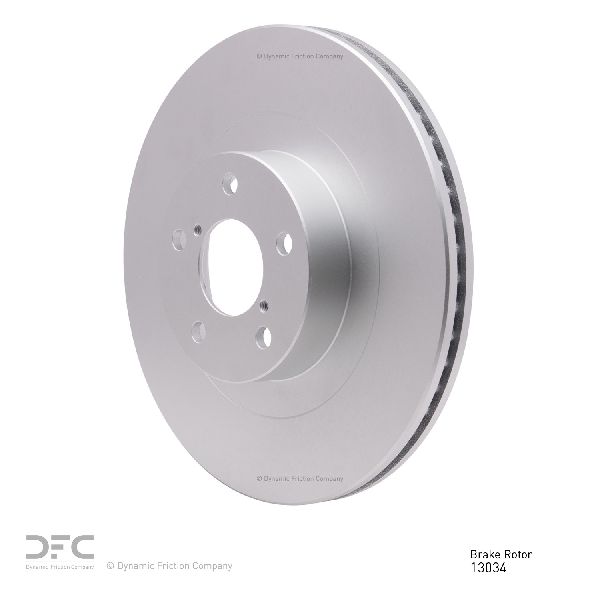
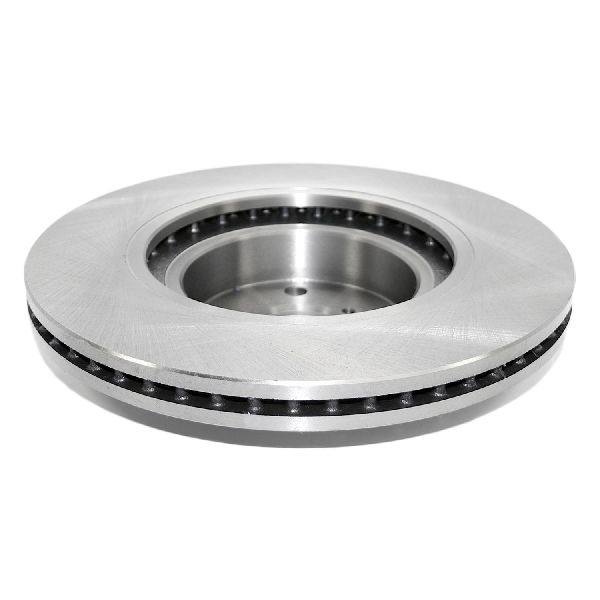
Uncoated rotors are bare cast iron and will quickly develop surface rust on any area not swept by the brake pad, especially the hub (or "hat") and cooling vanes. Coated rotors have a special paint or plating (often black, grey, or silver) on these non-contact surfaces to prevent rust and keep them looking good behind your wheels. In areas that use road salt, coated rotors are highly recommended.
Do I have to replace all four rotors at once?
No, but you must replace them in pairs on the same axle. If your front rotors are warped, you must replace both the front left and front right rotors. You can leave the rear rotors if they are still in good condition. However, it's common for all four rotors to have similar wear, so a full four-wheel brake job is often the most practical approach.
Is replacing the rotors on my Outback a DIY job?
Yes, for a mechanically inclined person with the right tools, this is a very common and achievable DIY project. The basic process involves safely lifting the vehicle, removing the wheel, unbolting the caliper and the caliper bracket, and then removing the old rotor. You will need tools like a 14mm and 17mm socket/wrench, a breaker bar, and a way to support the brake caliper so it doesn't hang by its hose.
Technical Specifications
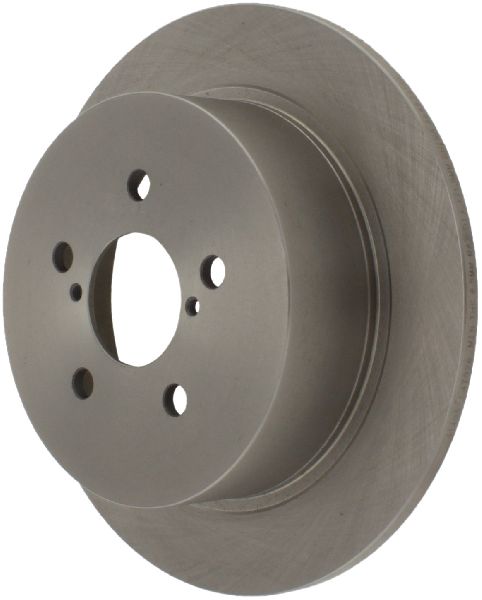
OEM Part Numbers: 26300AE02C (Front, for 2.5i models) 26700AG01B (Rear)
Fitment can vary between 2.5i, 2.5XT, and 3.0R models. Always verify the correct part numbers for your specific vehicle's engine and trim level before ordering.
We Have This Part in Stock

The information in this article is provided for general reference and educational purposes only. Vehicle specifications, procedures, and part compatibility can vary by production date, trim level, and region. Always consult your vehicle's factory service manual and verify part numbers before purchasing or performing repairs. Safety-critical components such as airbags, seat belts, and braking systems should be installed by a qualified professional.
- Subaru Outback: