

Audi A4 Fuel Pressure Sensor (2005-2010): A Guide to Symptoms and Replacement
Experiencing engine hesitation or a check engine light in your B7 or B8 Audi A4? It could be the fuel pressure sensor.
- A faulty fuel pressure sensor is a known issue on 2005-2010 Audi A4s, covered by TSB 2027417.
- Symptoms like rough idle, hesitation, and CEL codes (P310B, P0087) often point to the sensor, not the more expensive fuel pump.
- Replacement is a simple DIY job for many, requiring basic tools and less than an hour.
- Premium aftermarket brands like Vemo or Standard Ignition offer OEM quality for less than dealer prices.
Understanding Fuel Pressure Sensor Failures in the Audi A4

If you own a 2005-2010 Audi A4, particularly one with the 2.0T engine, a failing fuel pressure sensor is a known issue. Audi even released a Technical Service Bulletin (TSB 2027417 / 24-09-17) for the low-pressure sensor (G410). This bulletin notes that fuel can leak into the sensor, causing it to send incorrect signals to the ECU. This can lead to a variety of running problems that are often misdiagnosed as a bad fuel pump, which is a much more expensive repair. The high-pressure sensor (G247) can also fail, leading to similar symptoms.
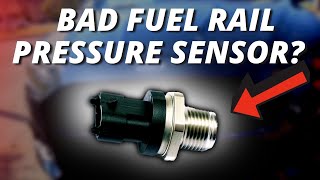
🎬 Watch: Common symptoms of a bad fuel rail pressure sensorKnown Issue: TSB for Low-Pressure Sensor (G410)
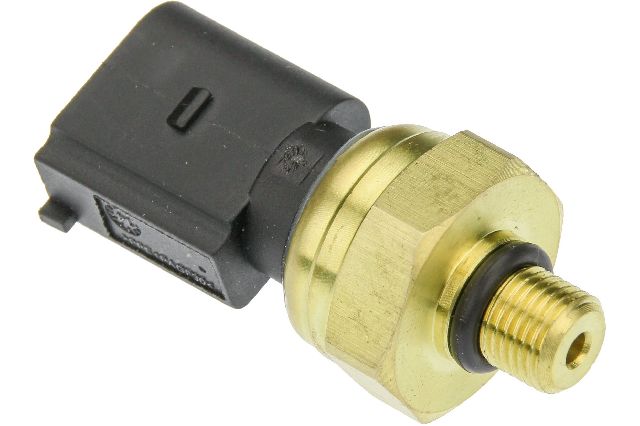
Audi's TSB 2027417 specifically addresses failures in the low-pressure fuel sensor (part number 06E 906 051 K). It recommends replacing the sensor as the first step when fuel pressure-related fault codes are present, rather than immediately replacing the fuel pump or its control module.
Choosing the Right Aftermarket Fuel Pressure Sensor

When it's time to replace the sensor, you don't have to go to an Audi dealer. Several reputable aftermarket brands offer quality parts that meet or exceed original equipment (OE) specifications. Here’s a breakdown of your options:
- Premium Aftermarket (Vemo, Standard Ignition): Brands like Vemo are often considered OEM-quality suppliers for German vehicles and are a reliable choice. Standard Motor Products (Standard Ignition) has a long history of producing dependable electronic parts. These brands offer a great balance of quality and value.
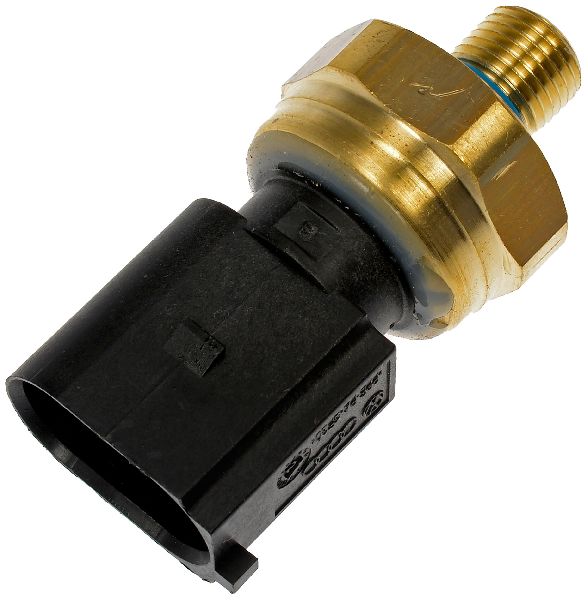
- Standard Aftermarket (URO Parts, Dorman): URO Parts provides a wide range of parts for European cars, often as an alternative to more expensive genuine parts, and they meet or exceed OEM specs. Dorman is a well-known brand that produces direct-fit replacement parts engineered for reliability. These are solid, budget-friendly options.
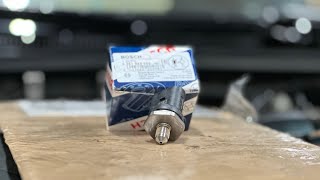
- OEM (Bosch): Bosch is a primary original equipment supplier for many Audi components, including fuel sensors. Choosing a Bosch sensor is essentially like getting the same part you would from a dealer, ensuring a perfect fit and function.
| Tier | Brands | General Assessment |
|---|---|---|
| Premium / OEM | Bosch, Vemo, Standard Ignition | Considered OEM-quality or equivalent. Excellent reliability and fit. The safest bet for a long-lasting repair. |
| Standard | URO Parts, Dorman, Replacement | Good value. Designed to be direct-fit replacements that meet OEM standards. A cost-effective choice for DIY repairs. |
Pro Tip: Check for Leaks
When diagnosing a fuel pressure issue, visually inspect the sensor. Some owners have reported seeing fuel actively leaking or spraying from the plastic housing of the sensor itself, which is a clear sign of failure.
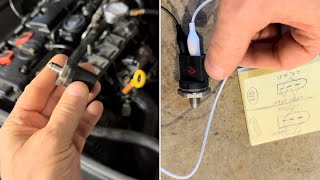
🎬 See how to test a good vs bad fuel sensorFrequently Asked Questions

Is it hard to replace the fuel pressure sensor myself?
For a DIYer with some experience, this is a very manageable job that usually takes less than an hour. The low-pressure sensor is often located on the high-pressure fuel pump. You will need to relieve the fuel pressure from the system first by using the Schrader valve on the fuel rail. A 27mm deep well socket is typically required to remove the sensor. Always work in a well-ventilated area and wear safety glasses.
🎬 Watch this step-by-step fuel pressure sensor replacement walkthroughMy mechanic says I need a new fuel pump. Could it just be the sensor?
Yes, it's very possible. The official Audi TSB advises replacing the G410 sensor first and specifically recommends *not* replacing the fuel pump or fuel pump control module unless the problem continues after the sensor is replaced. Given the significant cost difference, starting with the sensor is the most logical and cost-effective diagnostic step.
Is there a recall for the fuel pressure sensor on my A4?
No, there is no specific safety recall for the fuel pressure sensor on the 2005-2010 Audi A4 in the US market. However, Audi did issue the Technical Service Bulletin (TSB), which is a formal recommendation to dealers for addressing a known, non-safety-critical problem. There have been other fuel-related recalls for different Audi models and years, but not for this specific part on this vehicle range.
Do I need to do any computer programming after replacing the sensor?
In some cases, an adaptation may be needed. After replacing the sensor, it's a good practice to clear any stored fault codes from the ECU. Some service procedures mention running a basic settings adaptation to ensure the system reads the new sensor correctly. Some owners on forums have discussed whether coding needs to be updated, but for most direct replacements, simply clearing codes is sufficient.
Helpful Videos
Technical Specifications
OEM Part Numbers: 06E906051K 06J906051B 06J906051D
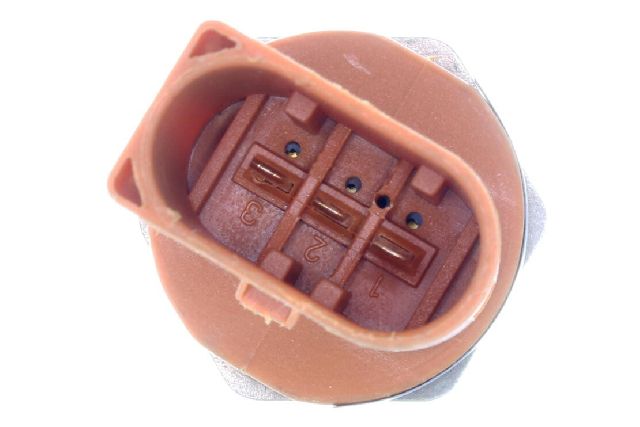
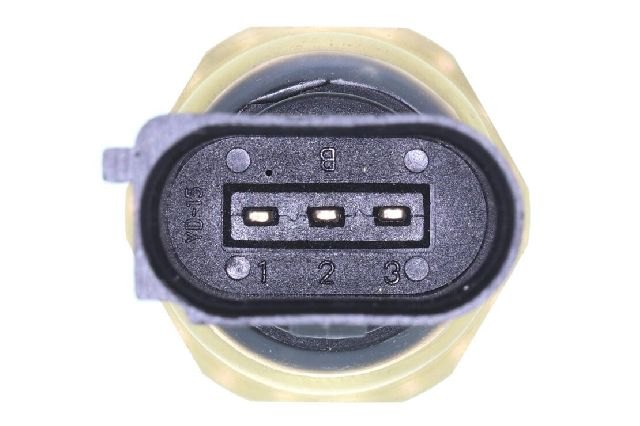
There are two primary sensors for this vehicle generation: the low-pressure sensor (G410) and the high-pressure sensor (G247). The G410 is the most common failure point and is addressed in an Audi TSB. It is crucial to verify the correct part number for your specific vehicle's VIN and model year, as there was a split during the B7 generation.
We Have This Part in Stock


The information in this article is provided for general reference and educational purposes only. Vehicle specifications, procedures, and part compatibility can vary by production date, trim level, and region. Always consult your vehicle's factory service manual and verify part numbers before purchasing or performing repairs. Safety-critical components such as airbags, seat belts, and braking systems should be installed by a qualified professional.
- Audi A4: