

A Guide to Oxygen Sensors for the 2005-2010 Audi A4 (B7/B8)
Learn how to diagnose, choose, and replace a failing oxygen sensor to keep your A4's engine running at its best.
- A bad oxygen sensor will trigger the Check Engine Light and cause poor fuel economy and rough running.
- Bosch is the OEM supplier for Audi; choosing Bosch, Denso, or NTK aftermarket sensors is highly recommended for reliability.
- Always use a direct-fit sensor to avoid wiring issues; do not use universal sensors.
- Replacement is a manageable DIY job with the right tools, but the old sensor can be difficult to remove.
Signs of a Failing Oxygen Sensor in Your A4

Oxygen sensors wear out over time and can also be damaged by contaminants like engine oil, coolant, or poor-quality fuel. When a sensor starts to fail, your A4's computer receives incorrect data, leading to noticeable problems. The most common sign is an illuminated Check Engine Light on your dashboard. You might also experience poor fuel economy, a rough idle, engine hesitation or misfires, and a loss of power during acceleration. In some cases, you may smell a "rotten egg" odor from the exhaust or see black smoke.
Don't Ignore the Check Engine Light
While a faulty oxygen sensor is a common trigger for the Check Engine Light on an A4, many other issues can cause it. It's important to have the diagnostic trouble codes (DTCs) read with an OBD-II scanner to confirm the problem. Codes like P0131, P0420, or P2098 often point 🎬 Watch this explanation of common catalyst and sensor trouble codes. to an oxygen sensor or catalyst issue.
Choosing the Right Aftermarket Oxygen Sensor

When shopping for a new oxygen sensor for your 2005-2010 A4, you'll find many brands. Sticking with a reputable brand is crucial for these sensitive German engines. The original equipment manufacturer (OEM) for Audi is typically Bosch. Choosing a Bosch sensor ensures you get the same quality and performance as the original part without the dealership price tag.
- Top-Tier (OEM equivalent): Bosch is the go-to choice for A4 owners. Denso and NGK (also sold under the NTK brand) are also excellent, high-quality alternatives trusted by mechanics. These brands provide reliable performance and longevity.
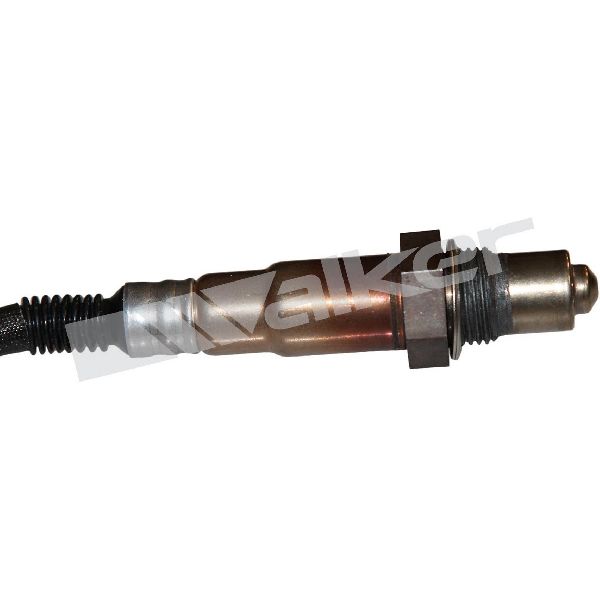
- Mid-Tier: Brands like Delphi and Walker Products offer a good balance of quality and price. They are generally reliable but may not have the same lifespan as the top-tier options.
- Economy Tier: Brands such as DriveWire, Facet, URO Parts, and Spectra are budget-friendly choices. While they can work, their long-term reliability and precision can be inconsistent. For a sensitive system like your Audi's, it's often worth spending more on a better sensor to avoid future headaches.
Direct-Fit vs. Universal Sensors
Always choose a "direct-fit" oxygen sensor. These come with the correct electrical connector for your A4, making installation a simple plug-and-play process. "Universal" sensors require you to cut and splice wires, which can lead to connection problems and incorrect readings if not done perfectly.
Known Issues, Recalls, and Service Bulletins

While there are no widespread safety recalls specifically for oxygen sensors on the 2005-2010 Audi A4, several Technical Service Bulletins (TSBs) have been issued for related issues. For example, TSB 2046611/5 addresses issues with the post-catalyst oxygen sensor becoming contaminated. Another, TSB 2044668/1, notes that new catalytic converters can sometimes cause temporary O2 sensor codes during their break-in period. Additionally, Audi has offered a limited warranty extension (10 years/120,000 miles) for rear oxygen sensors on some vehicles, so it's worth checking with a dealer to see if your VIN is covered.
Oxygen Sensor Replacement Cost for 2005-2010 Audi A4
The cost can vary depending on the brand of the part and local labor rates. Your A4 has multiple sensors, and the price for each can differ.
| Item | Estimated Cost |
|---|---|
| New Aftermarket Oxygen Sensor (Part Only) | $44 - $217 |
| Shop Labor | $100 - $200 per sensor |
| Total Estimated Cost (DIY) | $44 - $217 |
| Total Estimated Cost (Installed at a Shop) | $144 - $417 |
Frequently Asked Questions

How many oxygen sensors does my 2005-2010 A4 have?
Most four-cylinder (like the 2.0T) A4s from this era have two oxygen sensors: one upstream (before the catalytic converter) and one downstream (after the catalytic converter). V6 models will have four sensors—two upstream and two downstream, one pair for each cylinder bank.
What is the difference between an upstream and a downstream sensor?
The upstream sensor (also called Bank 1, Sensor 1) measures the raw exhaust from the engine and is the primary sensor for adjusting the air-fuel ratio. The downstream sensor (Bank 1, Sensor 2) measures the exhaust *after* it passes through the catalytic converter to monitor the converter's efficiency.
Can I replace just one oxygen sensor?
Yes. You only need to replace the sensor that has failed. However, oxygen sensors have a similar lifespan, so if one fails due to age, the others may not be far behind. It's not uncommon to replace them in pairs (e.g., both upstream sensors on a V6) or all at once if they are original and have high mileage.
Is this a difficult DIY job?
For a home mechanic, replacing an oxygen sensor is generally straightforward. The upstream sensor is often accessible in the engine bay, while the downstream sensor requires lifting the car. The main challenge can be removing the old sensor, which can get seized in the exhaust pipe. Using penetrating oil and a special oxygen sensor socket is highly recommended.
Helpful Videos

Technical Specifications
OEM Part Numbers: 06E906265S 1K0998262L 1K0998262E 06L906262F 06E906265N 06E906265R 06E906265Q
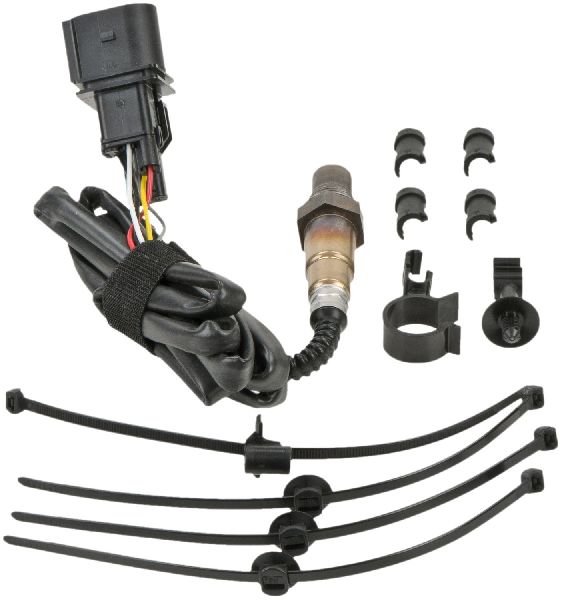
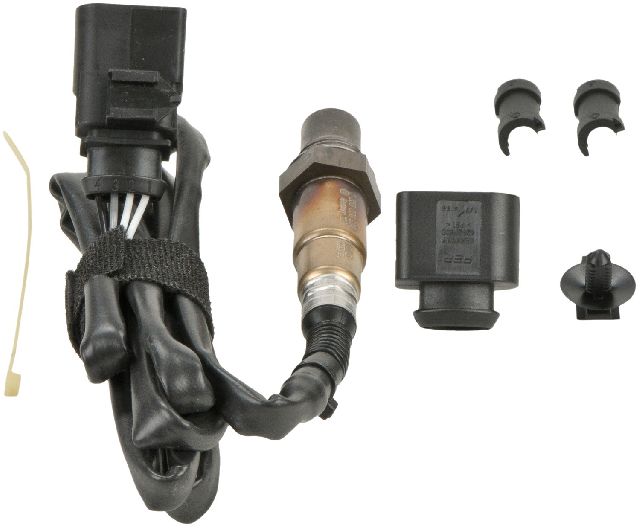
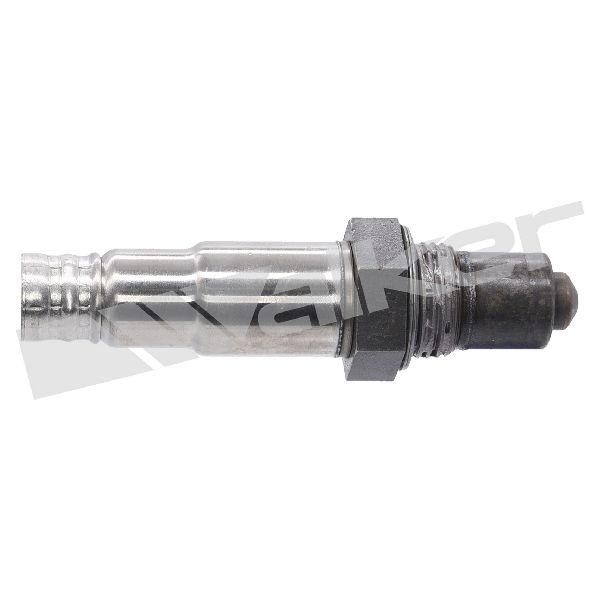
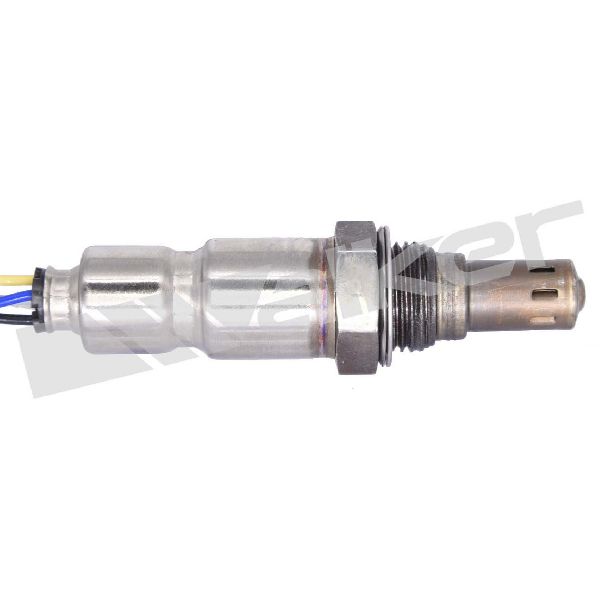
The 2005-2010 Audi A4 uses heated, wideband-type oxygen sensors. The upstream sensor is a 5-wire wideband (also called an Air-Fuel Ratio sensor), while the downstream is typically a 4-wire sensor. Connectors and wire lengths are specific to the sensor's position (upstream/downstream) and engine type.
We Have This Part in Stock


The information in this article is provided for general reference and educational purposes only. Vehicle specifications, procedures, and part compatibility can vary by production date, trim level, and region. Always consult your vehicle's factory service manual and verify part numbers before purchasing or performing repairs. Safety-critical components such as airbags, seat belts, and braking systems should be installed by a qualified professional.
- Audi A4:
- 🎬 Helpful Videos
- 🛍️ Shop This Part
- Signs of a Failing Oxygen Sensor in Your A4
- Don't Ignore the Check Engine Light
- Choosing the Right Aftermarket Oxygen Sensor
- Direct-Fit vs. Universal Sensors
- Known Issues, Recalls, and Service Bulletins
- Oxygen Sensor Replacement Cost for 2005-2010 Audi A4
- Frequently Asked Questions
- 🎟️ Get 5% Off