

A Guide to Disc Brake Pads for the 2005-2010 Audi A4 Quattro
Stop dealing with excessive brake dust and noise by picking the perfect pads for your driving style and budget.
- Your A4's original pads create heavy brake dust; aftermarket ceramic pads from brands like Akebono can solve this issue while maintaining good performance.
- Choose pads based on your driving style: quiet, low-dust ceramic pads for daily commuting or high-performance semi-metallic pads for spirited driving.
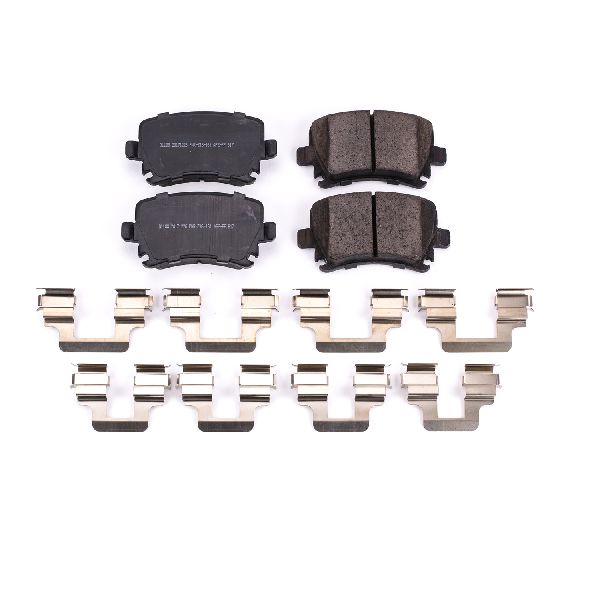
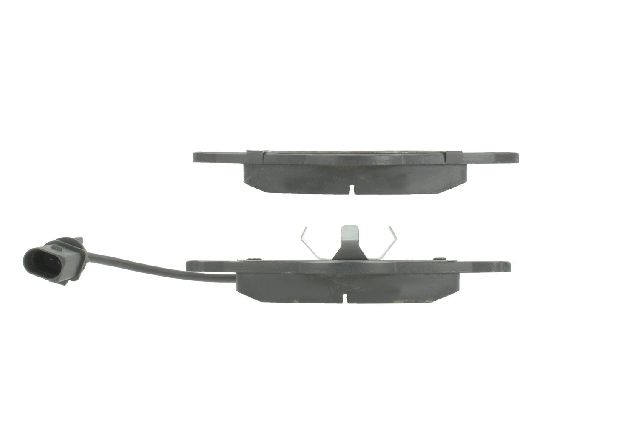
- Ensure your new pad set includes brake wear sensors, as they are standard on most A4 models.
- Replacing rear pads requires a special caliper piston tool that both pushes and twists; a standard C-clamp will not work and may cause damage.
Understanding Brake Pads for Your A4 Quattro
Choosing the right brake pads for your 2005-2010 Audi A4 Quattro (B7 generation) is about balancing performance, comfort, and price. The original pads that came with your car provide good stopping power but are known for producing a large amount of dark brake dust that can make your wheels look dirty quickly. Aftermarket pads offer a wide range of options, from quiet, low-dust ceramic pads for daily driving to aggressive, high-performance pads for enthusiasts.
OEM vs. Aftermarket Pads
Original Equipment Manufacturer (OEM) pads are the benchmark for performance and fit, ensuring a consistent and reliable feel. However, their main drawback is the heavy dusting. Many aftermarket brands, such as Akebono, ATE, Pagid, and Textar, are actually the original suppliers to Audi. This means you can often get the same quality as the dealer part, sometimes with improved characteristics like less dust, for a lower price.
Aftermarket pads allow you to tailor your car's braking characteristics. If you want to eliminate the dust problem, ceramic pads are an excellent choice. If you want improved stopping power for spirited driving, performance-focused semi-metallic pads are available.
Brake Wear Sensors and Rear Caliper Tool
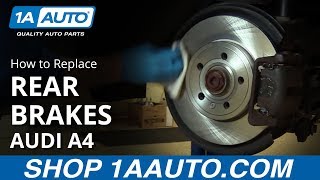
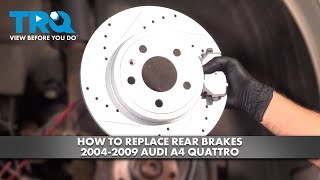
Most 2005-2010 A4 models are equipped with electronic brake pad wear sensors that trigger a light on your dashboard when the pads are low. When buying new pads, ensure the set includes new sensors or is compatible with your existing ones. Additionally, replacing the rear brake pads requires a special tool to retract the caliper piston; it must be pushed and twisted at the same time. Using a standard C-clamp can damage the caliper.
🎬 See how to use the rear caliper tool correctlyChoosing the Right Aftermarket Brake Pads
With so many brands available, it helps to group them by driving style.
- Comfort & Daily Driving (Low Dust): For owners who want a quiet ride and clean wheels, ceramic pads are the best option. They offer stopping power equal to or better than stock pads with significantly less dust.
- Top Brands: Akebono (Euro Ceramic series is highly recommended by owners), ATE, Pagid, Textar.
- Performance & Spirited Driving: For enthusiasts who demand stronger initial bite and better resistance to brake fade at high temperatures. These pads may produce more dust and noise than comfort-oriented pads.
- Top Brands: Hawk (HPS series is popular), Brembo, EBC Brakes (Redstuff/Yellowstuff), StopTech.
- Standard Replacement & Budget-Friendly: These brands offer reliable, quality pads that meet or exceed OEM specifications for normal daily use at a great value.
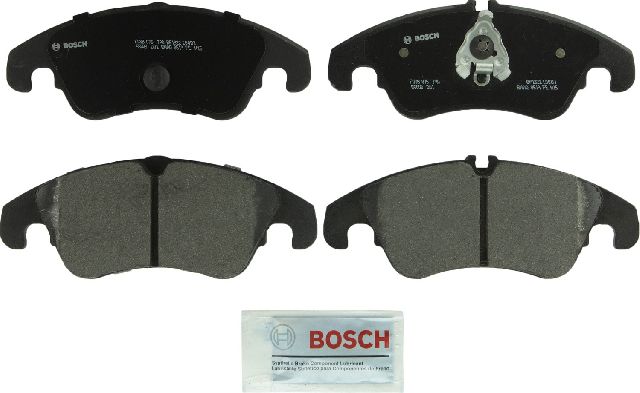
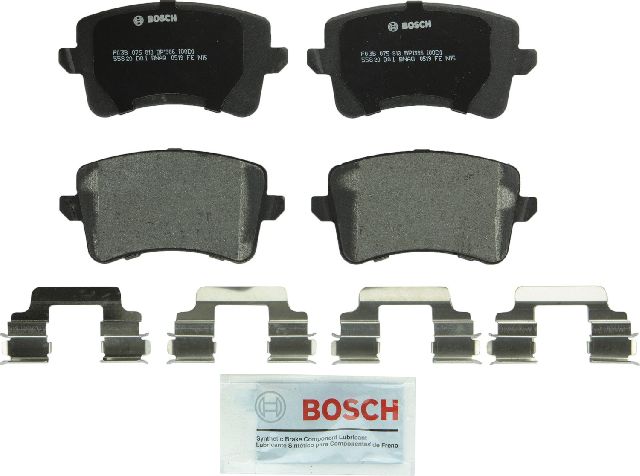
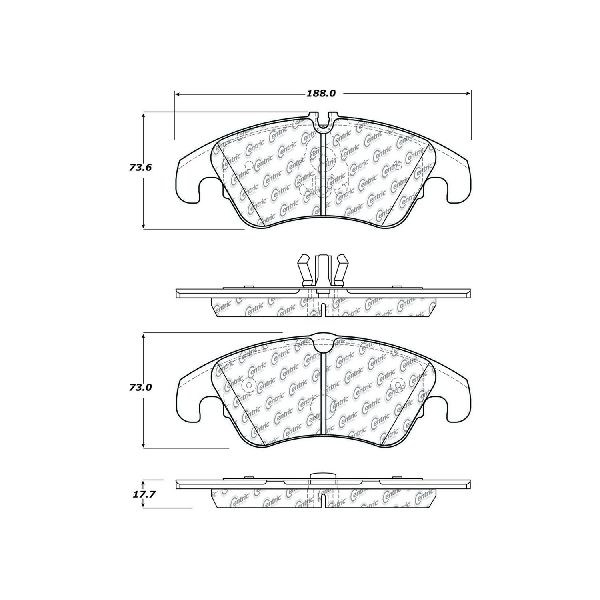
- Top Brands: Bosch (QuietCast), Centric (Posi-Quiet), Wagner, Raybestos.
Known Issues, Recalls, and TSBs
While there are no specific recalls for the brake pads on the 2005-2010 Audi A4, some related issues have been noted. A recall was issued for some 2009-2010 models for a potential fault in the ABS control module software. Additionally, a Technical Service Bulletin (TSB 2061403/2) was issued for newer models regarding a faulty brake pad wear sensor wire that could cause a premature warning light, a problem that could potentially be seen on older models as well. Owners sometimes report noises like squeaking or grinding, which can be caused by anything from surface rust after a car wash to worn components.
| Part Type | Estimated Cost (Parts Only) |
|---|---|
| New OEM Brake Pads (per axle) | $80 - $200 |
| New Aftermarket Brake Pads (per axle) | $22 - $233 |
| Shop Labor (per axle) | $110 - $200 |
Pro Tip: Replace Rotors with Pads
For the best performance and to avoid issues like brake pedal pulsation, it is highly recommended to replace your brake rotors at the same time as your pads. Worn or warped rotors can reduce braking effectiveness and cause vibrations.
Frequently Asked Questions (FAQ)
What's the difference between ceramic and semi-metallic pads?
Ceramic pads are known for being very quiet and producing fine, light-colored dust that is less noticeable. They offer great performance for daily driving. Semi-metallic pads contain metal fibers that help dissipate heat, providing better performance under aggressive braking and track use, but they tend to be noisier and produce more dust.
Do I need to bed-in my new brake pads?
Yes, bedding-in is a critical process. It involves a series of controlled stops to transfer an even layer of friction material from the new pads onto the rotors. This ensures smooth, quiet, and powerful braking. Follow the manufacturer's specific procedure for the best results.
🎬 Watch: How and why to bed in your new brakesWhy are my new brakes making a squealing noise?
New brakes can sometimes squeal during the break-in period. This can also be caused by not applying anti-squeal paste to the back of the pads or if the hardware clips weren't replaced. If the noise persists after a few hundred miles, have them inspected to ensure proper installation.
Can I replace just the front or rear pads?
Yes, you can replace the pads on just one axle (front or rear). However, you must always replace the pads on both sides of the same axle (left and right) at the same time to ensure even braking.
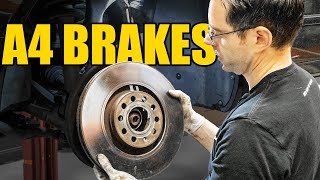
🎬 Watch: Step-by-step guide to replacing your front brake padsHelpful Videos
Technical Specifications
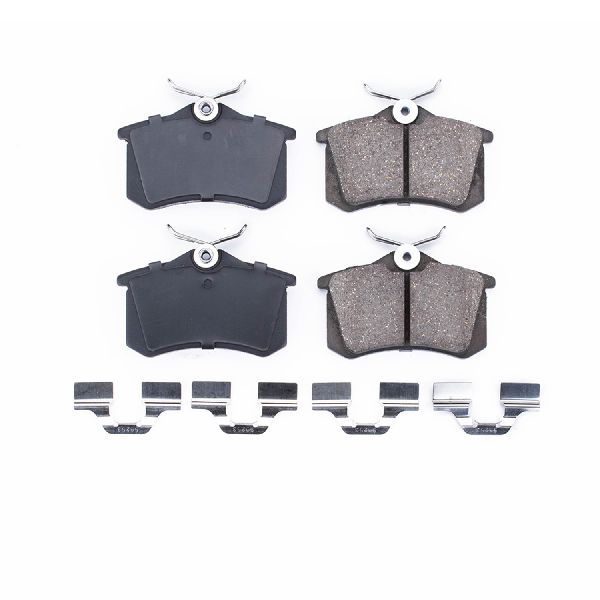
Vehicle requires front brake pad wear sensors. Rear calipers require a piston rewind tool for service. Various pad materials are available, including ceramic and semi-metallic.
We Have This Part in Stock

The information in this article is provided for general reference and educational purposes only. Vehicle specifications, procedures, and part compatibility can vary by production date, trim level, and region. Always consult your vehicle's factory service manual and verify part numbers before purchasing or performing repairs. Safety-critical components such as airbags, seat belts, and braking systems should be installed by a qualified professional.
- Audi A4 Quattro:
- 🎬 Helpful Videos
- 🛍️ Shop This Part
- Understanding Brake Pads for Your A4 Quattro
- OEM vs. Aftermarket Pads
- Brake Wear Sensors and Rear Caliper Tool
- Choosing the Right Aftermarket Brake Pads
- Known Issues, Recalls, and TSBs
- Pro Tip: Replace Rotors with Pads
- Frequently Asked Questions (FAQ)
- 🎟️ Get 5% Off