

A Guide to Oxygen Sensors for the 2005-2010 Audi A8 Quattro
Keep your A8's V8 or W12 engine running smoothly and efficiently with the right replacement oxygen sensor.
- Bosch is the Original Equipment Supplier (OES) for the Audi A8; buying a Bosch aftermarket sensor provides OEM quality without the dealer price tag.
- Your A8 has four sensors; confirm if you need an upstream (pre-cat) or downstream (post-cat) sensor before ordering.
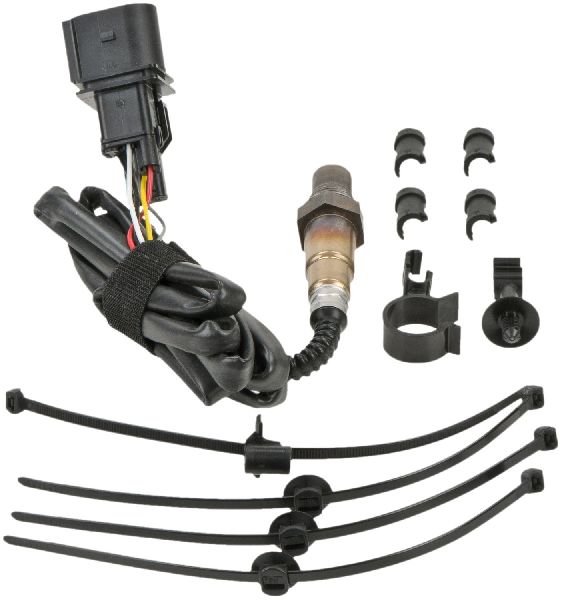
- Always use a 'direct-fit' sensor with the correct plug to avoid cutting and splicing wires, which can cause performance issues.
- While downstream sensors are accessible, upstream sensors can be very difficult to replace and may require special tools and patience.
Symptoms of a Failing Oxygen Sensor
When an oxygen sensor begins to fail on your A8, your car's computer may not be able to determine the correct air-fuel mixture. This can lead to several noticeable issues. You should suspect a bad oxygen sensor if you experience any of the following:
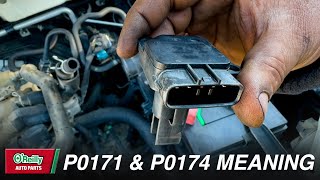
- Check Engine Light: This is the most common symptom. The light will illuminate if the sensor's readings are out of the expected range. Common trouble codes include P0171 (System Too Lean Bank 1) and P0174 (System Too Lean Bank 2 🎬 Watch this video to understand what these lean codes mean.), which indicate too much oxygen in the exhaust. Other codes might point directly to a sensor heater circuit failure or slow response.
- Poor Fuel Economy: If the ECU receives an incorrect reading, it may enrich the fuel mixture to compensate, causing your A8 to use more fuel than necessary.
- Rough Idle and Misfires: An imbalanced air-fuel ratio can cause the engine to run rough, hesitate during acceleration, or misfire.
- Failed Emissions Test: A faulty oxygen sensor is a common reason for failing a vehicle emissions inspection due to high levels of pollutants.
Choosing the Right Aftermarket Oxygen Sensor
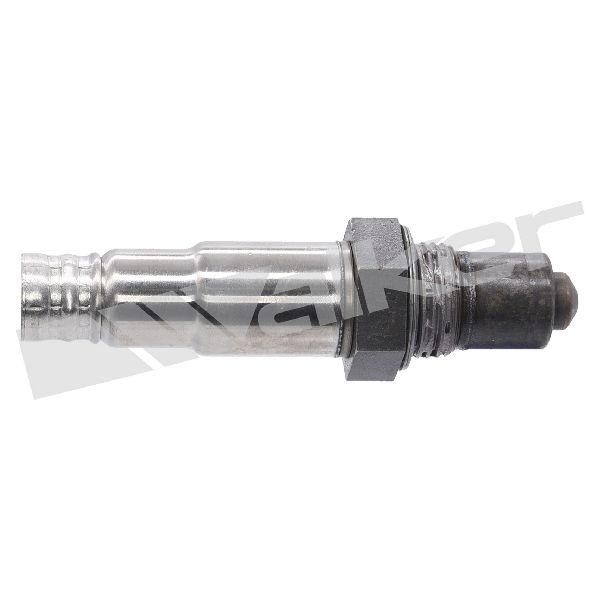
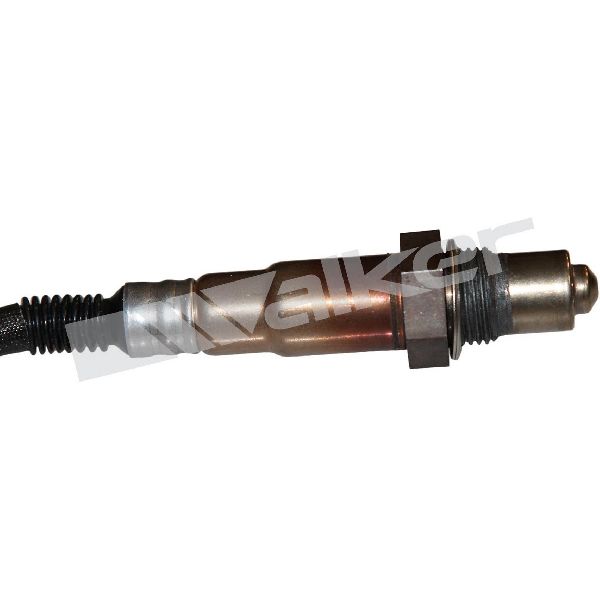
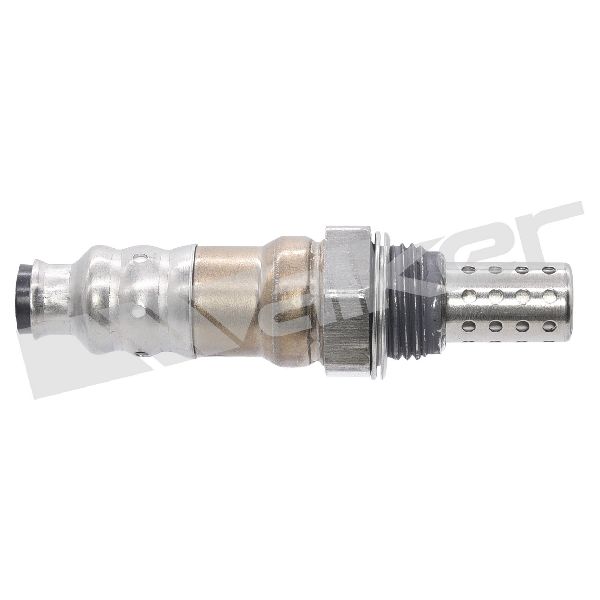
Your 2005-2010 A8 Quattro has four oxygen sensors: two upstream (before the catalytic converter) and two downstream (after the catalytic converter). It is crucial to identify which sensor needs replacement before purchasing. Upstream sensors are more critical for fuel control, while downstream sensors primarily monitor the efficiency of the catalytic converter. For this vehicle, using a high-quality replacement is highly recommended to avoid future issues.
OEM Supplier vs. Aftermarket
For many European vehicles like your Audi, the original equipment manufacturer (OEM) for sensors is often Bosch. You can frequently buy the exact same sensor from Bosch in an aftermarket box for a fraction of the price you would pay at a dealership. Brands like Bosch, Denso, and NGK/NTK are considered top-tier choices that meet or exceed original specifications.
Brand Quality Tiers
- Tier 1 (OEM Supplier/Equivalent): Bosch is the original inventor and a primary supplier for Audi, making it the most recommended choice for a direct-fit replacement without paying dealer prices. NGK (NTK) and Denso are also world-renowned OEM suppliers known for their quality and reliability.
- Tier 2 (Quality Aftermarket): Brands like Delphi, Spectra, and Walker Products offer reliable, direct-fit sensors that provide a good balance of quality and value. They are a solid choice for owners looking for a dependable part on a moderate budget.
- Tier 3 (Budget-Friendly): Brands such as DriveWire and Facet are available at a lower price point. While functional, they may not offer the same longevity or precise calibration as the higher-tier brands.
Direct-Fit vs. Universal Sensors
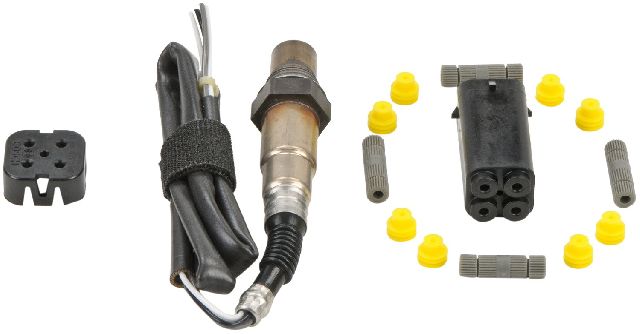
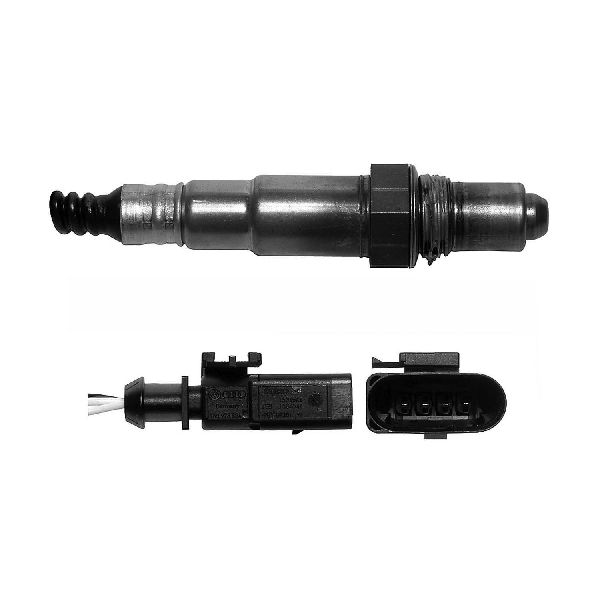
Always choose a "direct-fit" sensor for your A8 Quattro. These come with the correct-length wiring and factory-style connector for a simple plug-and-play installation. A "universal" sensor requires you to cut and splice wires, which can lead to connection problems and incorrect readings, a risk not worth taking on a complex vehicle like the A8.
Known Issues and Recalls
There are no specific recalls from the National Highway Traffic Safety Administration (NHTSA) for oxygen sensor failure on the 2005-2010 Audi A8 Quattro. However, Technical Service Bulletins (TSBs) have been issued for related models and conditions. For example, TSB 24-16-55 addresses DTCs P013E00 and P014A00 (delayed sensor response) on some A8s, noting that on very low-mileage vehicles, this can be a temporary condition that does not require sensor replacement. Another TSB for later models addresses lean codes (P209600, P209800) by replacing the *rear* oxygen sensor due to internal contamination.
Cost of Replacing an Oxygen Sensor
| Part/Service | Estimated Cost |
|---|---|
| New OEM (Dealer) | $230 - $440+ each |
| New Aftermarket | $27 - $212 each |
| Shop Labor | $100 - $300+ |
Frequently Asked Questions
How many oxygen sensors does my 2005-2010 A8 Quattro have?
Your A8 Quattro is equipped with four oxygen sensors. There is one upstream (pre-catalyst) and one downstream (post-catalyst) sensor for each engine bank. The V8 and W12 engines both use this four-sensor configuration.
What is the difference between an upstream and a downstream sensor?
Upstream sensors (also called Sensor 1 or air-fuel ratio sensors) are located before the catalytic converter. They provide the primary feedback for adjusting the air-fuel mixture. Downstream sensors (Sensor 2) are located after the catalytic converter and are used to monitor the converter's efficiency. A failure in an upstream sensor has a more direct impact on engine performance and fuel economy.
Is it difficult to replace the oxygen sensors on an A8 Quattro?
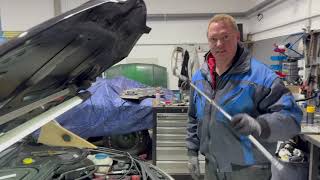
The difficulty varies greatly depending on the sensor's location. Downstream sensors are generally accessible from under the car. However, the upstream sensors, particularly on the 4.2L V8, can be very difficult to reach, sometimes requiring special tools like a crowfoot oxygen sensor socket and working by feel from the top of the engine bay. 🎬 See how to replace a difficult upstream sensor without engine removal. Some owners report that accessing the connectors is harder than removing the sensors themselves.
Should I replace all four sensors at once?
It is not always necessary, but it can be a good preventative measure, especially on a higher-mileage vehicle. Oxygen sensors degrade over time. If one has failed, the others may not be far behind. If you are paying for labor to replace a hard-to-reach sensor, it may be cost-effective to replace its counterpart on the same bank at the same time.
Helpful Videos
Technical Specifications
OEM Part Numbers: 079906262M 4H0906262G 06E906265AD 03H906262N
Number of Sensors: 4 (2 upstream, 2 downstream). Common tools needed: 22mm oxygen sensor socket (slotted or crowfoot style), ratchet, extensions. Upstream sensors are typically wide-band (5-wire), while downstream are narrow-band (4-wire).
We Have This Part in Stock

The information in this article is provided for general reference and educational purposes only. Vehicle specifications, procedures, and part compatibility can vary by production date, trim level, and region. Always consult your vehicle's factory service manual and verify part numbers before purchasing or performing repairs. Safety-critical components such as airbags, seat belts, and braking systems should be installed by a qualified professional.
- Audi A8 Quattro: