

Guide to the 2005-2010 Buick Allure Accessory Drive Belt
Understanding the heart of your Allure's engine accessories and how to keep them running strong.
- Always verify your engine size (3.6L or 3.8L V6) before ordering, as the belts are different.
- Squealing noises are a primary warning sign and should be investigated immediately.
- For a lasting repair, replace the belt tensioner and idler pulleys along with the belt.
- If your Allure has the 3.8L V6, inspect the plastic coolant elbows near the tensioner for leaks, as they are a common failure point.
Is Your Allure's Accessory Belt Failing?
An accessory drive belt is a wear item. Over tens of thousands of miles, the heat and friction of normal operation cause the rubber to degrade. Ignoring the warning signs can leave you stranded. Watch for these common symptoms:
- Squealing or Chirping Noises: This is the most common sign. A high-pitched squeal, especially on startup or when the A/C is on, means the belt is likely slipping due to wear or improper tension.
- Visible Wear and Tear: A visual check can tell you a lot. Look for cracks, frayed edges, missing chunks of the ribbed section, or a shiny, glazed appearance on the belt's surface. Any of these indicate the belt needs immediate replacement.
- Accessory Malfunctions: If your headlights dim, the battery light comes on, steering becomes heavy, or the A/C stops blowing cold, the belt may be slipping and failing to power those components properly.
- Engine Overheating: The belt drives the water pump, which circulates coolant. If the belt fails, the water pump stops, and the engine will overheat very quickly. If you see the temperature gauge rising, pull over immediately to prevent catastrophic engine damage.
Engine-Specific Belts: A Critical Detail
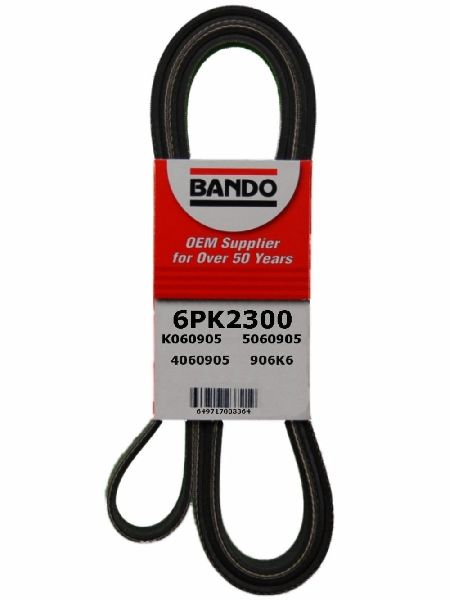
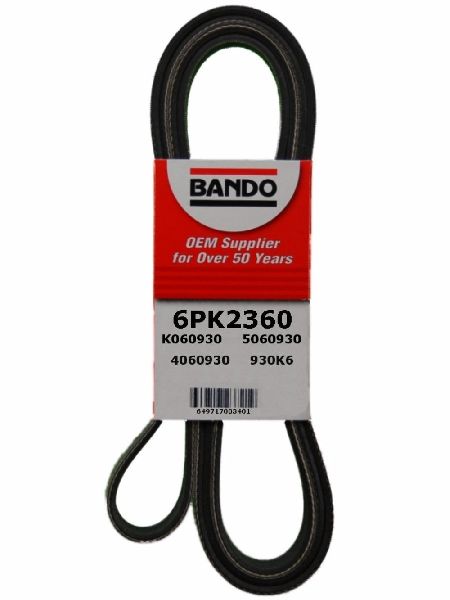
The 2005-2010 Buick Allure was offered with several engines, most commonly the 3.8L V6 and the 3.6L V6. These engines use different accessory drive belts of different lengths. Ordering the wrong belt is a frequent mistake. Always confirm your engine size before purchasing to ensure a proper fit.
Choosing the Right Aftermarket Belt: ACDelco vs. Bando
When replacing the accessory belt, you have excellent aftermarket options that meet or exceed original quality. For a part like a serpentine belt, there is often no significant advantage to buying a more expensive OEM part from a dealer when high-quality aftermarket versions are available.
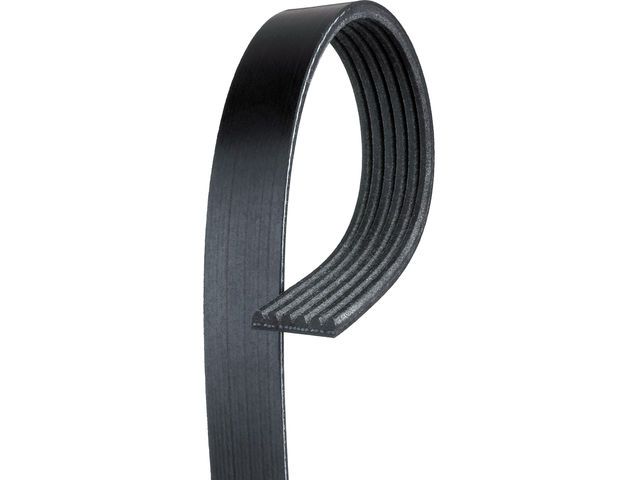
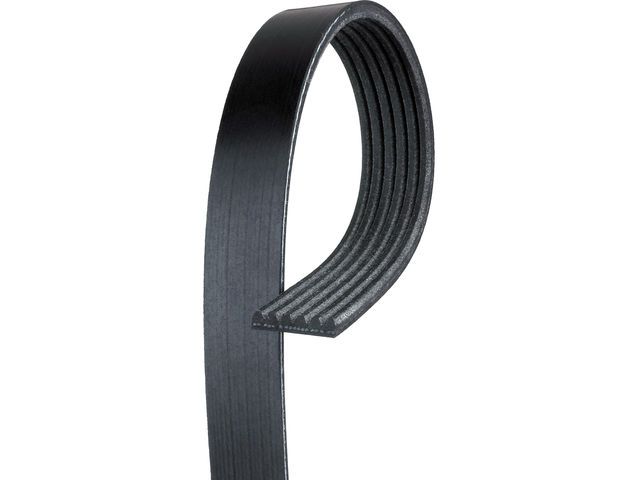
- ACDelco: As General Motors' own parts brand, ACDelco is a trusted name for any Buick owner. Their belts are considered an OEM-equivalent, ensuring proper fit and performance. They are a reliable, go-to choice for this application.
- Bando: Bando is a major manufacturer of belts for many original automakers, particularly Japanese brands. They have a strong reputation for producing high-quality, durable belts that are often used as OEM parts on other vehicles.
Both ACDelco and Bando are considered top-tier brands for this part. The choice between them often comes down to price and availability, as both will provide a reliable, long-lasting repair.
Pro Tip: Replace More Than Just the Belt
For a complete repair, mechanics strongly recommend replacing the belt tensioner and any idler pulleys at the same time as the belt, especially on a higher-mileage vehicle. The tensioner is a spring-loaded pulley that keeps the belt tight. Its spring weakens over time, and a worn tensioner can cause a brand-new belt to fail prematurely.
Known Issues: 3.8L V6 Tensioner & Coolant Elbows
On Buick Allure models equipped with the 3.8L V6 engine, the belt tensioner assembly has a known weak point. Plastic coolant elbows pass through the tensioner assembly, and they are notorious for becoming brittle and cracking over time. This will cause a coolant leak in the direct vicinity of the tensioner. If you see this, you must replace these elbows when servicing the belt or tensioner. Many aftermarket tensioner kits include new elbows for this reason.
| Brand | Price Range |
|---|---|
| ACDelco / Bando (Aftermarket) | $37.90 - $66.54 |
Frequently Asked Questions (FAQ)
How often should I replace my Allure's accessory belt?
Most modern serpentine belts last between 60,000 and 100,000 miles (96,000 to 160,000 km). However, it's best to inspect it for wear during regular oil changes, especially after 60,000 miles.
Is there a recall for the accessory belt on the 2005-2010 Buick Allure?
No, a search of the National Highway Traffic Safety Administration (NHTSA) database shows no specific recalls for the accessory drive belt or tensioner on the 2005-2010 Buick Allure. There was a recall for a belt issue on some 2012 Buick models, but it does not apply to this generation.
Can I replace just the belt tensioner pulley?
While it's sometimes possible to replace only the pulley, it is not recommended. The internal spring of the tensioner assembly also wears out. Replacing the entire assembly is the only way to guarantee correct belt tension and prevent premature wear on your new belt.
Is a noisy belt always a bad belt?
Not always, but it's the most common cause. A squealing noise indicates the belt is slipping. This could be due to a worn, glazed belt, a weak tensioner, fluid contamination (like oil or coolant), or a misaligned pulley. Regardless of the specific cause, the noise is a clear sign that the system needs to be inspected immediately.
Technical Specifications
OEM Part Numbers: 12636137 12605208 12639018 12634319 12660099
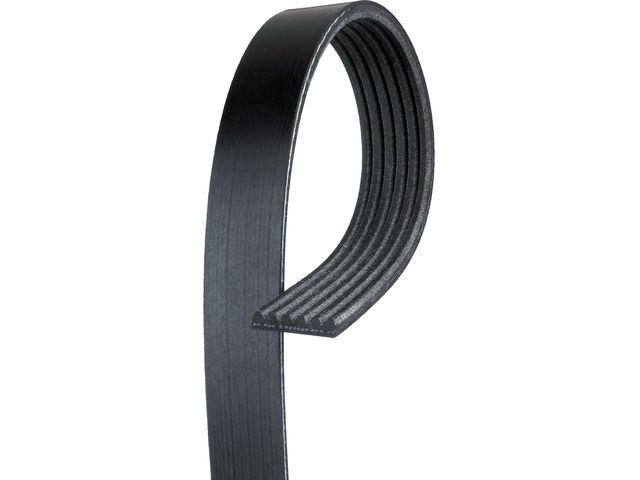
Material: EPDM Rubber. Rib Quantity: 6. Belt length varies by engine (e.g., ~90.3 in for 3.8L V6).
We Have This Part in Stock

The information in this article is provided for general reference and educational purposes only. Vehicle specifications, procedures, and part compatibility can vary by production date, trim level, and region. Always consult your vehicle's factory service manual and verify part numbers before purchasing or performing repairs. Safety-critical components such as airbags, seat belts, and braking systems should be installed by a qualified professional.
- Buick Allure: