

A Guide to the Automatic Transmission Cooler for the 2005-2010 Buick Allure
Keep your Allure's transmission running cool and prevent costly damage by understanding its cooling system.
- The main transmission cooler is integrated into the radiator; the most common failures are the connecting lines, not the cooler itself.
- Look for reddish fluid leaks under the front of the car, as this is the primary symptom of a failing cooler line.
- Replacing the lines can be a DIY job, but the lower radiator connection is very tight and may require a special tool.
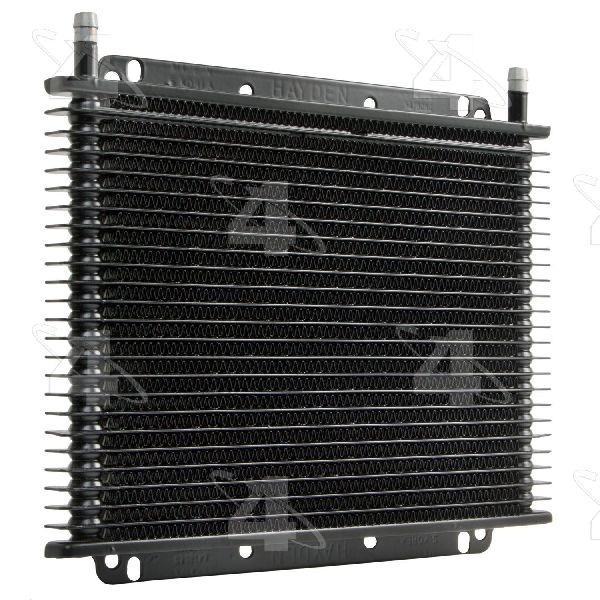
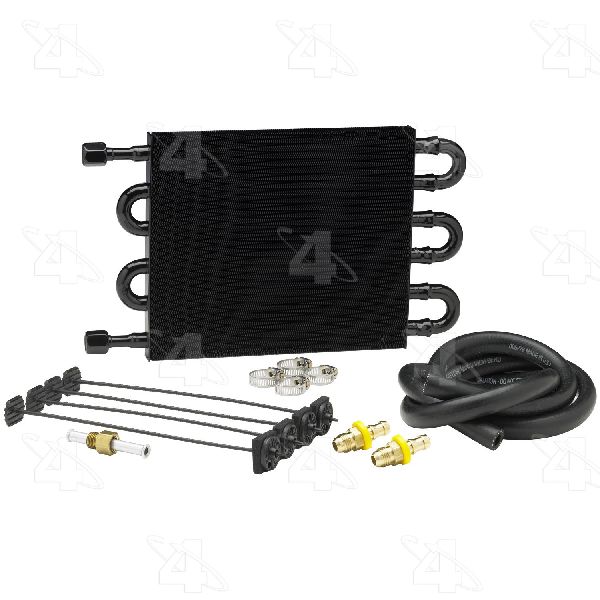
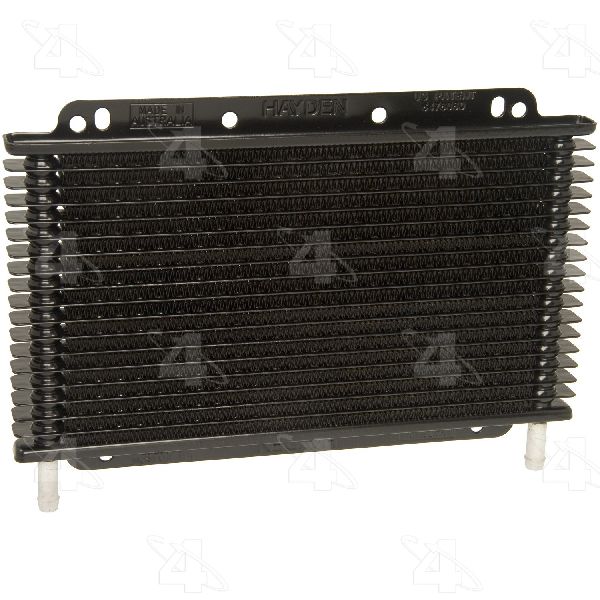
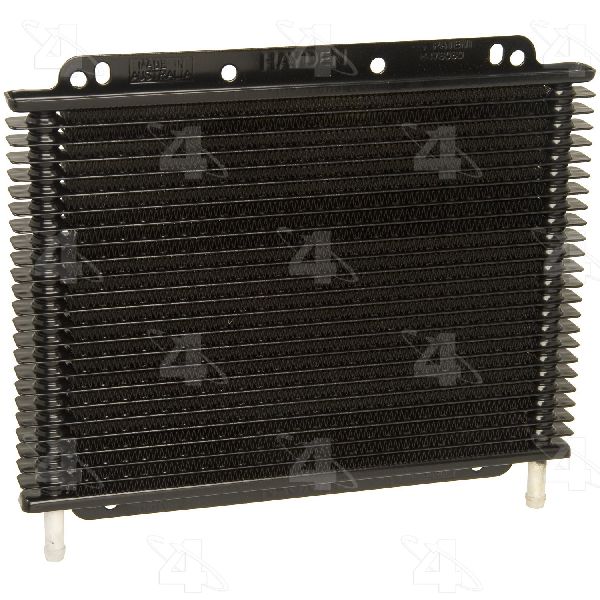
- Adding an aftermarket auxiliary cooler from a brand like Hayden is a smart upgrade for heavy use or hot climates.
Understanding Your Allure's Transmission Cooling System
When you look for a transmission cooler for your 2005-2010 Buick Allure, it's important to know that it comes from the factory with an internal cooler. This means it's part of the radiator assembly. The most common failure points in this system are not the cooler itself, but the metal and rubber lines that carry the fluid to and from the radiator. These lines can rust, get damaged by road debris, or the fittings can leak over time.
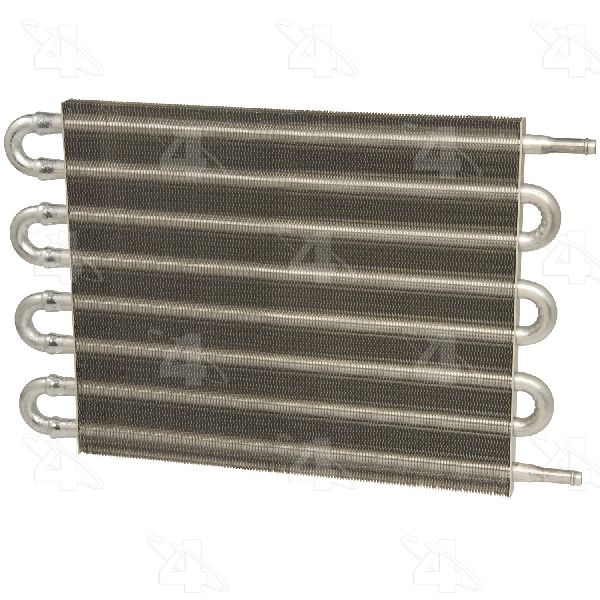
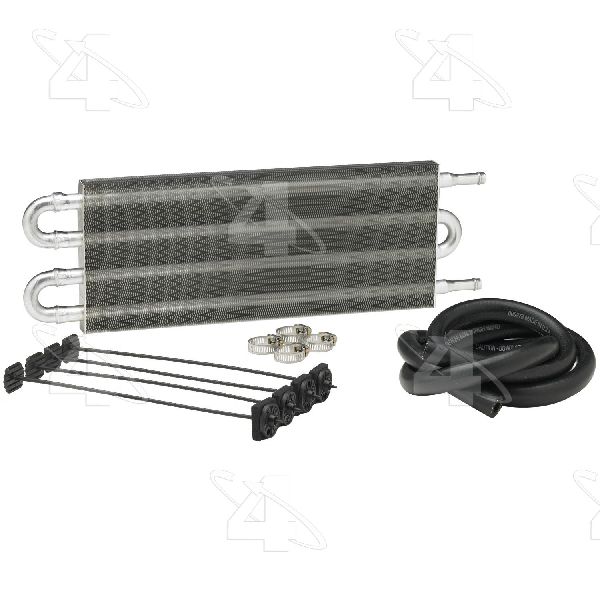
Pro Tip: The parts you see for sale as standalone "Automatic Transmission Oil Coolers" are typically universal-fit auxiliary coolers. These can be a great upgrade if you tow, live in a hot climate, or simply want extra protection against overheating. They are installed in-line with the factory system to provide additional cooling capacity.
Symptoms of a Failing Transmission Cooler or Lines
A problem in the cooling system can quickly lead to serious transmission damage. Watch for these signs:
- Transmission Overheating Light: A warning message on your dash like "Transmission Hot" is a clear sign that the fluid is not being cooled effectively.
- Fluid Leaks: Puddles of reddish or brown fluid under the front of your car are a tell-tale sign of a leak from the cooler lines or their connections at the radiator.
- Burning Smell: A distinct burning odor suggests the transmission fluid is overheating and breaking down.
- Erratic Shifting: You might experience harsh shifts, slipping gears, or a delay when the transmission engages. Overheated fluid loses its ability to create the right hydraulic pressure for smooth gear changes.
- Unusual Noises: Whining, gurgling, or clunking sounds can indicate poor lubrication due to low or overheated fluid.
- Contaminated Fluid: In rare cases, the internal cooler can rupture, allowing transmission fluid and engine coolant to mix. If you check your transmission fluid and it looks pink and milky, like a strawberry milkshake, stop driving immediately and have the vehicle towed to a shop.
Choosing the Right Aftermarket Part
Since the most common repair involves the lines, we'll focus there first. However, if you're adding an auxiliary cooler, brand quality is key.
Transmission Cooler Lines:
Aftermarket lines from brands like Dorman, SKP, and Sunsong are widely available and are often made from steel and rubber, similar to the original parts. For a longer-lasting repair, consider stainless steel line sets, which offer superior corrosion resistance.
Auxiliary Coolers (Hayden vs. Four Seasons):
If you're adding a supplemental cooler, you have several options. Hayden and Four Seasons are two common brands in this category.
- Hayden: Generally considered a reliable choice for transmission coolers. They have a long history, and many installers use them without issues. They offer various designs, including plate-and-fin and tube-and-fin styles, to suit different needs.
- Four Seasons: This brand is also well-known for cooling and climate control parts. While they offer a wide range of products, there is less specific owner feedback available for their transmission coolers on the Allure compared to Hayden.
For a simple part like an auxiliary cooler on this vehicle, a quality aftermarket unit from a reputable brand like Hayden is often a better value than trying to source a GM-branded universal cooler. The technology is straightforward, and aftermarket brands specialize in these universal-fit components.
Estimated Replacement Costs
Costs can vary based on your location and which parts need replacing. The most common job is replacing one or both cooler lines.
| Part / Service | Estimated Cost |
|---|---|
| New Aftermarket Auxiliary Cooler | $51.93 - $104.66 |
| New Aftermarket Cooler Lines (per line) | $20 - $45 |
| New OEM (ACDelco) Cooler Line (per line) | $28 - $40 |
| New OEM Radiator (includes cooler) | $300 - $450+ |
| Shop Labor (Line Replacement) | $95 - $325 |
A Note on Installation
Replacing the transmission cooler lines can be a DIY job, but the lower connection at the radiator is in a very tight space and can be difficult to access. It often requires a special thin disconnect tool to release the clip. If you're not comfortable working in tight spaces, it may be best to leave this job to a professional.
Frequently Asked Questions
Do I need to replace my radiator to fix a cooler line leak?
No. If only the line or fitting is leaking, you only need to replace the faulty line. You would only need to replace the radiator if the integrated cooler itself has failed internally (causing fluid contamination) or if the radiator is damaged at the fitting connection.
Can I just use rubber hose to patch a leaking metal line?
This should only be considered a temporary, emergency fix. The system is under pressure, and a proper repair involves replacing the entire line assembly with parts designed to handle the heat and pressure. Using a section of rubber hose is not a reliable long-term solution.
What type of transmission fluid does my 2005-2010 Allure need?
Always check your owner's manual first. Most GM vehicles of this era use DEXRON-VI automatic transmission fluid. Using the correct fluid is critical for the health of your transmission.
Is an auxiliary transmission cooler a good idea for my Allure?
For most daily driving, the factory cooler is sufficient. However, if you frequently drive in heavy stop-and-go traffic, live in a very hot climate, or plan to tow a small trailer, adding an auxiliary cooler is excellent insurance against transmission overheating. It's a relatively low-cost upgrade that can significantly extend the life of your transmission.
Technical Specifications
OEM Part Numbers: 15264589 15264590 15264597 10351546 15233083 15264590
The factory system consists of an integrated cooler within the radiator tank. The cooler lines are typically 3/8 inch in diameter and made of a combination of steel and rubber. Aftermarket auxiliary coolers are available in various sizes, commonly measured in Gross Vehicle Weight Rating (GVWR).
We Have This Part in Stock

The information in this article is provided for general reference and educational purposes only. Vehicle specifications, procedures, and part compatibility can vary by production date, trim level, and region. Always consult your vehicle's factory service manual and verify part numbers before purchasing or performing repairs. Safety-critical components such as airbags, seat belts, and braking systems should be installed by a qualified professional.
- Buick Allure: