

Buick Allure Engine Coolant Temperature Sensor Guide (2005-2010)
Is your 2005-2010 Buick Allure running rough, getting bad gas mileage, or overheating? Your Engine Coolant Temperature Sensor could be the problem.
- A bad ECT sensor can cause poor fuel economy, overheating, and a Check Engine Light on your Allure.
- For best results, choose an OEM brand like ACDelco or an OEM-equivalent like Delphi for this repair.
- This is an easy and inexpensive DIY replacement that most owners can do in under 30 minutes with basic tools.
- No recalls or specific TSBs are active for this part on your vehicle; failures are from normal wear.
Why the ECT Sensor Matters on Your Allure
A failing Engine Coolant Temperature (ECT) sensor on your 2005-2010 Buick Allure can cause more than just a Check Engine Light. Because this sensor helps control the fuel mixture and cooling fans, a bad signal can lead to poor performance, bad fuel economy, and even engine overheating. If the sensor incorrectly tells the computer the engine is cold, the system will inject too much fuel, causing you to waste gas and potentially see black smoke from the exhaust. If it fails to report that the engine is hot, the cooling fans may not switch on, putting your engine at risk. Replacing a faulty sensor is a straightforward and affordable repair that can restore your car's performance and prevent more serious damage.
Common Symptoms of a Failing ECT Sensor
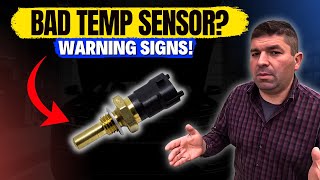
Watch for these signs that your 🎬 Watch: 8 common symptoms of a bad coolant temperature sensor Allure's coolant sensor is going bad:
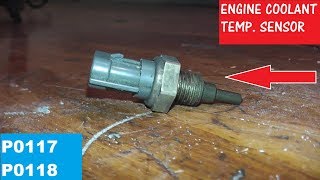
- Check Engine Light: The most common sign, often with codes like P0115, P0117, or P0118. 🎬 See how to test and clear these specific sensor codes
- Poor Fuel Economy: The engine runs rich, thinking it's always cold, which burns extra gas.
- Engine Overheating: The sensor doesn't signal the cooling fans to turn on when needed.
- Cooling Fans Won't Shut Off: As a fail-safe, the computer may run the fans constantly if it gets a bad signal.
- Rough Idle or Hard Starting: An incorrect fuel mixture makes the engine run poorly, especially when idling or starting.
- Inaccurate Temp Gauge: The needle on your dashboard might stay on 'C', jump around, or show an incorrect temperature.
Pro Tip: Check the Connector First
Before replacing the sensor, inspect the electrical connector and wiring. A loose, corroded, or damaged connector can cause the same symptoms as a failed sensor. Cleaning the connection or repairing the wiring might be all you need.
Choosing the Right Aftermarket ECT Sensor
For a critical electronic part like this, brand quality matters. While many options are available, they generally fall into a few tiers for your Buick Allure.
Tier 1: OEM & OEM-Equivalent Brands
- ACDelco: As the original GM parts brand, ACDelco is the benchmark for fit and performance. Many owners prefer to stick with the original brand for electronics to ensure reliability.
- Delphi: Delphi was a major original parts supplier for General Motors. Their sensors are widely considered to be of the same quality as ACDelco, and sometimes they are the exact same part in a different box. If you can find a Delphi sensor for less than the ACDelco part, it's an excellent choice.
Tier 2: Reputable Aftermarket Brands
- NGK / NTK: Known for their high-quality ignition parts and sensors, NTK is a trusted name in the aftermarket and a solid choice.
- Standard Motor Products (Standard / True Tech / Standard Wires): A long-standing aftermarket manufacturer that produces reliable sensors. They are a good alternative to OEM parts.
Tier 3: Value Brands
- Brands like Four Seasons, Global Parts, and other store brands offer the lowest price. While they can work, some owners report that budget sensors may not last as long as OEM or Tier 2 options. For a part this critical and inexpensive, spending a few extra dollars on a higher-tier brand is often worth it to avoid doing the job twice.
A Note on Known Issues
No specific recalls or Technical Service Bulletins (TSBs) have been issued by GM for a widespread failure of the Engine Coolant Temperature Sensor on the 2005-2010 Buick Allure. Failures are typically due to normal age and wear.
Cost to Replace a Buick Allure ECT Sensor
| Part or Service | Estimated Cost |
|---|---|
| New Aftermarket ECT Sensor | $12 - $51 |
| New OEM (ACDelco) ECT Sensor | $25 - $60 |
| Shop Labor | $75 - $150 |
| Total Professional Replacement | $87 - $210 |
Cost estimates are based on national averages and may vary by location and specific part brand.
Frequently Asked Questions
Where is the ECT sensor located on my 2005-2010 Buick Allure?
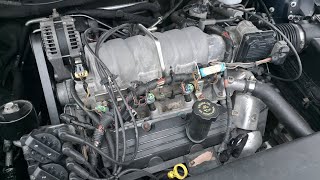
For models with the 3.8L V6 engine, the ECT sensor is located on the driver's side of the engine, screwed into the thermostat housing area, often just below the thermostat itself. 🎬 Watch this walkthrough for the 3.8L sensor location and replacement It's a small sensor with a two-wire electrical connector.
Can I replace this sensor myself?
Yes, this is a very DIY-friendly job. The sensor is generally easy to access. The job requires basic tools like a deep socket (typically 19mm) and a ratchet. The most important steps are to let the engine cool completely and to be prepared for a small amount of coolant to spill when you remove the old sensor.
Do I need to drain all the coolant to replace it?
You don't need to drain the entire system. Because the sensor is mounted high on the engine, you will only lose a small amount of coolant when you swap it out. Have the new sensor ready to install quickly to minimize the loss, and be sure to top off the coolant reservoir with the correct type of coolant afterward.
Should I put sealant on the threads of the new sensor?
Most new sensors come with a thread sealant already applied. If yours does not, it is a good idea to apply a small amount of thread sealant to ensure a leak-free seal. However, avoid using too much, and do not use thread-locking compound. Some sources advise against sealant, as the sensor may need to ground to the engine block. Check the instructions with your specific part.
Helpful Videos

Technical Specifications
OEM Part Numbers: 15326386 19236568 25036979
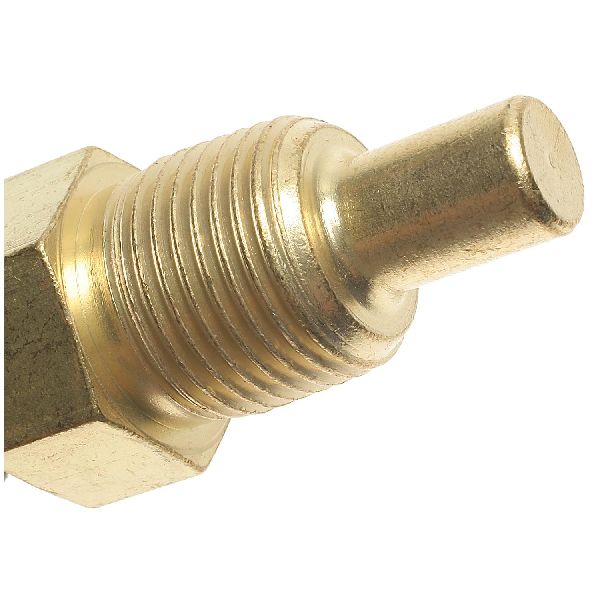
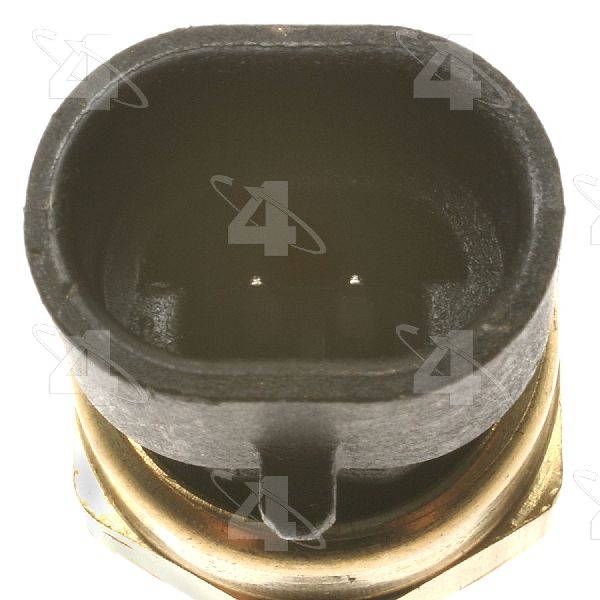
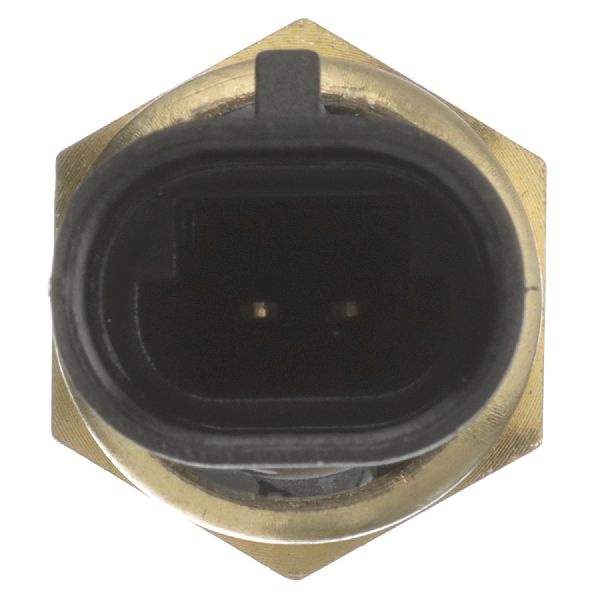
Typically a two-wire, threaded thermistor sensor located on the thermostat housing.
We Have This Part in Stock


The information in this article is provided for general reference and educational purposes only. Vehicle specifications, procedures, and part compatibility can vary by production date, trim level, and region. Always consult your vehicle's factory service manual and verify part numbers before purchasing or performing repairs. Safety-critical components such as airbags, seat belts, and braking systems should be installed by a qualified professional.
- Buick Allure:
- 🎬 Helpful Videos
- 🛍️ Shop This Part
- Why the ECT Sensor Matters on Your Allure
- Common Symptoms of a Failing ECT Sensor
- Pro Tip: Check the Connector First
- Choosing the Right Aftermarket ECT Sensor
- Tier 1: OEM & OEM-Equivalent Brands
- Tier 2: Reputable Aftermarket Brands
- Tier 3: Value Brands
- A Note on Known Issues
- Cost to Replace a Buick Allure ECT Sensor
- Frequently Asked Questions
- 🎟️ Get 5% Off