

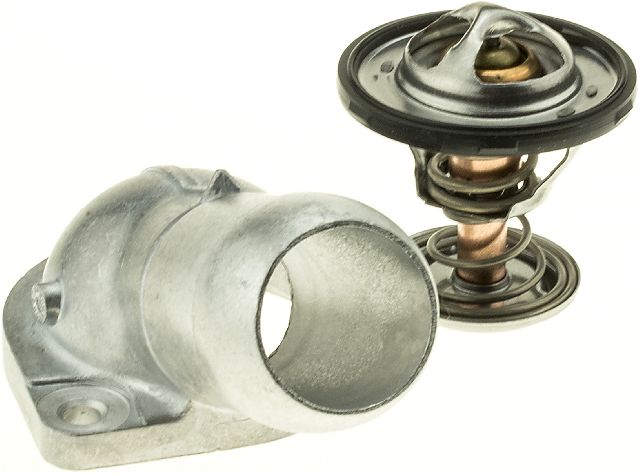
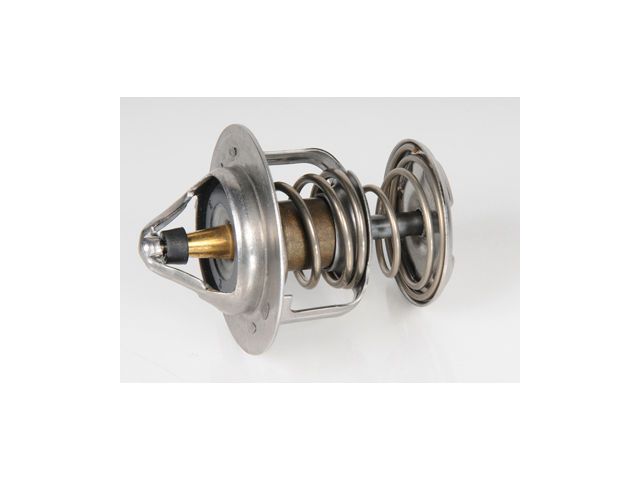
Guide to the 2005-2010 Buick Allure Engine Coolant Thermostat
Keep your Allure's engine temperature in check by understanding when and how to replace a faulty thermostat.
- A P0128 check engine light code is the most common sign of a failed thermostat on the Buick Allure.
- Always replace the thermostat with one rated for the original equipment (OE) temperature, typically 195°F for the 3.8L engine.
- For maximum reliability, choose an ACDelco or a top-tier aftermarket brand like Gates.
- If your engine is overheating, stop driving immediately to prevent catastrophic engine damage.
Understanding Thermostat Failure in Your Buick Allure
The engine coolant thermostat is a critical component for your Allure's engine health. It is designed to fail, but when it does, it can cause noticeable problems. Most failures result in the thermostat getting stuck in either the open or closed position. A stuck-open thermostat is the most common failure and will prevent your engine from reaching the proper operating temperature. A thermostat stuck closed is more dangerous, as it will quickly lead to overheating and potential engine damage.
Symptoms of a Failing Thermostat
Knowing the signs of a bad thermostat can save you from a much more expensive repair down the road. Pay attention to your dashboard gauges and your car's behavior.
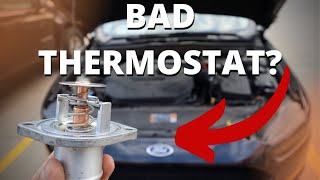
🎬 Watch this guide on common symptoms of a failing thermostat.- Check Engine Light (P0128 Code): If your thermostat is stuck open, the engine will take too long to warm up. The Engine Control Module (ECM) will detect this and trigger the Check Engine Light with a P0128 code. This is the most common indicator of a failed thermostat in the Buick Allure.
- Engine Overheating: If the temperature gauge climbs into the red, your thermostat may be stuck closed. This is a critical situation. Pull over immediately and shut off the engine to prevent severe damage.
- Engine Temperature Too Low: If the temperature gauge never reaches the normal operating range (usually the halfway mark), the thermostat is likely stuck open.
- Poor Heater Performance: The cabin heater uses hot engine coolant to warm the air. If your engine isn't getting hot enough because of a stuck-open thermostat, your heater will only blow lukewarm air.
No Recalls or TSBs Found
As of early 2026, searches of the National Highway Traffic Safety Administration (NHTSA) database did not show any specific recalls or Technical Service Bulletins (TSBs) directly related to the engine coolant thermostat for the 2005-2010 Buick Allure. Always check for the latest information before performing a repair.
Choosing the Right Aftermarket Thermostat
When replacing the thermostat, you have several brand choices. For a critical part like this, quality matters more than a few dollars in savings.
- OEM-Tier (ACDelco): ACDelco is the original equipment manufacturer for General Motors. Choosing an ACDelco thermostat ensures you get the same quality, fit, and specified temperature rating as the part your Allure was built with. This is the most recommended option for reliability.
- Top-Tier Aftermarket (Gates, Calorstat): Gates is a well-respected name in cooling system components, and their thermostats are engineered to meet or exceed OEM specifications. They are a solid choice for a reliable, long-lasting repair. Calorstat is another quality option often used in European applications but available for the Allure.
- Standard Aftermarket (Motorad, Skyward): Brands like Motorad offer features like a "Fail-Safe" design, which is intended to lock in the open position during an overheat event to prevent engine damage. While these are budget-friendly, some professional mechanics and owners report mixed reliability compared to OEM or top-tier brands.
Stick to the OE Temperature
Your Buick Allure's 3.6L or 3.8L engine was designed to run with a specific temperature thermostat, typically 195°F (91°C) or 180°F (82°C) depending on the engine and year. Using a "colder" thermostat can negatively affect fuel economy, emissions, and can even keep the P0128 code from clearing. Always use a thermostat with the OE-specified temperature.
Estimated Replacement Costs
The cost to replace a thermostat can vary based on who does the work and the parts you choose. The part itself is inexpensive, so most of the cost is labor.
| Item | Estimated Cost |
|---|---|
| New Aftermarket Thermostat | $17 - $165 |
| Shop Labor | $120 - $250 |
| Total Professional Replacement | $137 - $415 |
Frequently Asked Questions
Can I replace the Buick Allure thermostat myself?
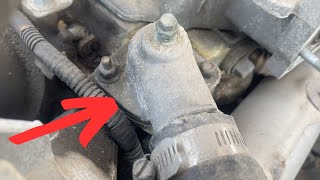
Yes, for many DIYers this is a manageable job. On the common 3.8L V6 engine, the thermostat is located on the top, front side of the engine. The job involves draining some coolant, removing two bolts, swapping the thermostat and gasket, and then refilling and bleeding the air from the cooling system. The 3.6L engine is more complex and may require removing the entire housing assembly. It typically takes 1-2 hours.
🎬 See how to locate and replace the thermostat on a 3.8L.What is a P0128 code?
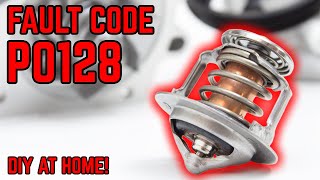
P0128 stands for "Coolant Temperature Below Thermostat Regulating Temperature." It means the engine's computer detected that the engine did not warm up to the correct temperature in the expected amount of time. In over 90% of cases for the Buick Allure, this code means the thermostat is stuck open and needs to be replaced.
🎬 Learn how to diagnose and fix a P0128 fault code.Should I replace the gasket with the thermostat?
Absolutely. Never reuse the old gasket or O-ring. A new thermostat should always be installed with a new gasket to prevent coolant leaks. Most quality aftermarket thermostats include a new gasket in the box.
What other parts should I consider replacing with the thermostat?
While you have the cooling system partially drained, it's a good time to inspect the radiator hoses for cracks, swelling, or softness. If the vehicle has high mileage, consider replacing the Engine Coolant Temperature (ECT) sensor, as it is often located near the thermostat housing. On the 3.8L engine, also inspect the plastic coolant elbows located under the belt tensioner, as they are a common failure point.
Helpful Videos

Technical Specifications
OEM Part Numbers: 12600171 24507563 12622410
Standard Temperature: 195° F (91° C) for 3.8L V6, 180° F (82° C) for 3.6L V6. Always verify the correct temperature for your specific engine.
We Have This Part in Stock


The information in this article is provided for general reference and educational purposes only. Vehicle specifications, procedures, and part compatibility can vary by production date, trim level, and region. Always consult your vehicle's factory service manual and verify part numbers before purchasing or performing repairs. Safety-critical components such as airbags, seat belts, and braking systems should be installed by a qualified professional.
- Buick Allure: